Meta Launches Muse Wonder AI Models to Rival the Best
Meta’s newest artificial intelligence models, Muse Wonder and Muse Wonder Full, place the company back at the global frontier of AI development with high-end capabilities and safety features.
 Radwan AbdulhadiEditor and technology writer
A Major Turnaround for Meta's AI Efforts
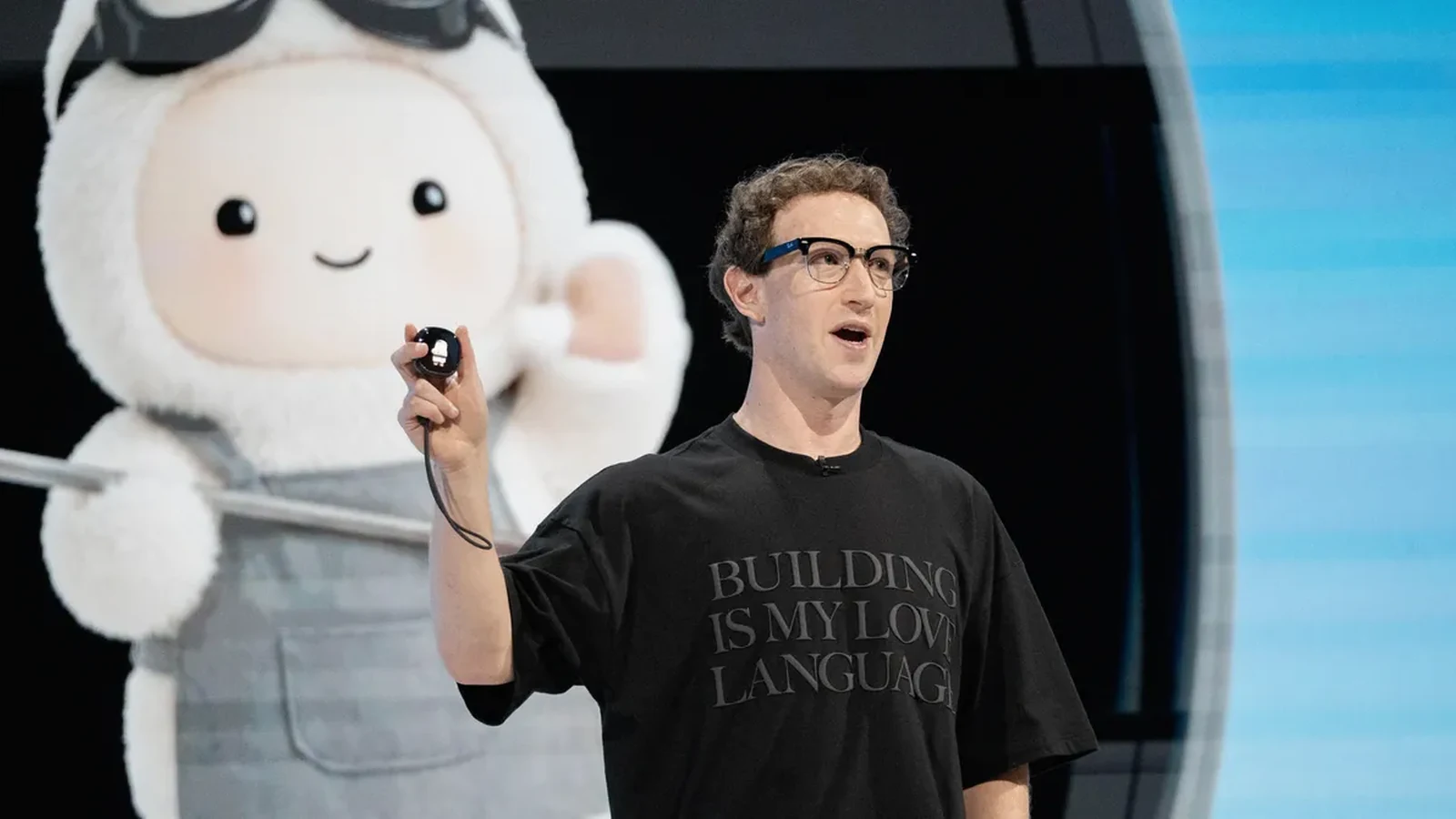
When Mark Zuckerberg rebooted his company’s artificial intelligence efforts last year, it initially appeared to be a very expensive gamble. However, Meta’s latest artificial intelligence models, Muse Wonder and Muse Wonder Full, indicate that this major investment is finally paying off by placing the company back at the frontier of AI development.
According to a blog post published by the company, Muse Wonder Full boasts true frontier capabilities, ranking it among the most sophisticated AI models worldwide. Meta stated that these releases mark the next step on their scaling ladder and a substantial leap toward personal superintelligence.
The development follows a period of restructuring under CEO Mark Zuckerberg, who revamped the company's AI research by sinking billions into the newly formed Meta Superintelligence Labs and appointing former Scale AI CEO Alexandr Wang to lead it. While this initiative has sometimes been rocky, with several researchers departing, the new models demonstrate renewed momentum.
Historical Context and Open-Source Roots
Historically, Meta was once a trailblazer in the artificial intelligence sector. Its widely recognized Llama series of models represented the first frontier open-weight offerings from a major technology laboratory. These models could be easily downloaded and run on individual hardware setups, gaining widespread adoption among researchers and startups alike.
Despite this early success, the company subsequently fell behind following several disappointing model iterations. This lag occurred as competitors like Anthropic, OpenAI, and Google rapidly introduced increasingly capable alternative models.
In response, Meta announced the first model from its newly structured lab, named Muse Spark, in April of this year. Additionally, the company released a smaller open-weight model designated as Muse Glimmer, with plans to introduce larger open-weight variations down the line, though specific details regarding how the Muse Wonder models were built or trained were not disclosed.
Benchmarking Against Industry Competitors
Meta designed Muse Wonder to compete directly with the highest-tier systems currently available. According to data from the Artificial Analysis Intelligence Index—a widely utilized aggregated score of model capabilities—the largest version of the new model outperforms Anthropic’s second-best model, Claude Fable 5.1, while ranking just below its top-performing model, Claude Opus 5.5.
Furthermore, Meta states that Muse Wonder surpasses OpenAI's leading model, GPT-6 Astra, alongside both Claude Fable 5.1 and Claude Opus 5.5 on specialized benchmarks. These include evaluations that measure an AI model's proficiency in handling complex legal documents and writing software code.
The Muse Wonder models are slated to become available through an application programming interface (API) and via Muse Code, a dedicated tool designed to assist with software writing. The company also confirmed that the highest-performing version of the model will power features across its wider platform ecosystem, including the Muse personal agent.
New Guardrails and Agent Safety Features
To address growing concerns regarding unpredictable autonomous systems, Muse Wonder introduces two novel features built to keep AI agents effective and prevent them from misbehaving. Named Active Memory and Active Focus, these mechanisms are engineered to keep the model locked onto a stated goal and prevent confusion during complicated operations.
Such cognitive drift can present a serious challenge when an AI performs multi-step research or builds extensive software projects, potentially resulting in expensive mistakes or compounded errors.
Meta reports that substantial effort went into training Muse Wonder to refuse dangerous prompts, such as requests for bioweapon recipes or hacking assistance. The company claims strong performance on security benchmarks measuring resilience against unauthorized inputs, although it has not explicitly detailed whether test agents powered by Muse Wonder exhibited rogue behavior during internal evaluations.
Sources
- WIREDMuse Wonder Puts Meta Back at the AI Frontier
Continue chronologically


Related entity coverage
Related stories
Tech CEOs Face Criticism Over Tone-Deaf AI Comments
Tech industry leaders face growing societal skepticism as high-profile executives promote AI tools for parenting, dating, and human relationships.

Meta Approves New Stock Class to Help Zuckerberg Pay Tax
Meta plans to issue a new class of non-voting stock to help CEO Mark Zuckerberg pay California's proposed billionaire tax without losing control.

Meta and OpenAI Prepare New Physical AI Hardware Strategies
Meta and OpenAI are testing physical AI hardware strategies by soft-launching cutesy software agents, aiming to succeed where previous devices failed.
Meta and Apple Team Up for Muse AI Launch on Mac
Meta and Apple collaborate on the new Muse Spark Open AI model, enabling efficient execution on Mac hardware using the latest MLX framework.