Meta Approves New Stock Class to Help Zuckerberg Pay Tax
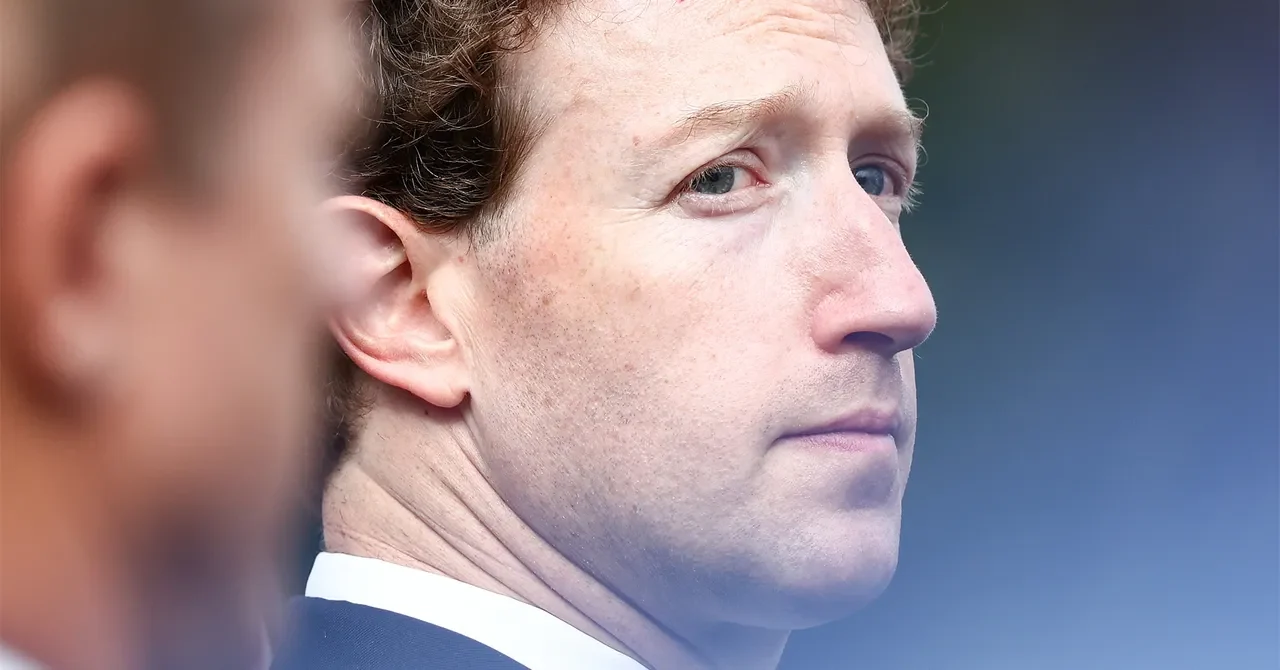
Meta has announced plans to introduce a new class of non-voting shares designed to help CEO Mark Zuckerberg cover potential tax liabilities if California passes a proposed wealth tax.
 Radwan AbdulhadiEditor and technology writer

Meta Board Approves New Class C Stock
During an earnings call, Meta revealed that its board approved a new class of non-voting stock, known as Class C common stock, which takes effect in January. The company stated that the shares will provide an ownership stake without voting power over corporate decisions. According to a company regulatory filing, the structure was partially engineered to help Meta founder and CEO Mark Zuckerberg address a potential tax burden under California's proposed wealth tax measure.
The introduction of the new shares is intended for capital raising, employee compensation, and acquisitions, including investments in artificial intelligence infrastructure. Because the newly created stock carries no voting rights, Zuckerberg could sell some of those shares to cover potential tax costs without giving up his roughly 60% voting control over the firm.
Proposition 40 and California Wealth Tax Proposals
The ballot proposal in question, Proposition 40, was drafted by Berkeley tax law professors and is sponsored by the healthcare union SEIU United Healthcare Workers West. The measure proposes a one-time 5% wealth tax on the net worth of several hundred billionaires primarily residing in California. Proponents estimate the policy could generate up to $100 billion over a five-year period to support state healthcare, food assistance, and educational needs.
The measure has drawn intense opposition across Silicon Valley. Prominent business figures, including Google co-founder Sergey Brin, have actively campaigned against the ballot measure and spent substantial sums trying to defeat it, arguing that such wealth taxes could spur capital flight.
Zuckerberg's Discussions with Meta Board
Regulatory documents detail that discussions concerning the wealth tax began between Zuckerberg and board members as early as July. During a dinner meeting in September, Zuckerberg informed the board that he was considering leaving California because of Proposition 40 and planned to list his Palo Alto property for sale. Reports noted that the Meta board wanted to avoid disruptions similar to those experienced during the COVID-19 pandemic when leadership was physically dispersed.
Following these discussions, a special committee of the Meta board worked with Zuckerberg to formulate an agreement. It has been estimated that Zuckerberg could face a tax liability reaching as much as $11 billion if the ballot measure is enacted.
Founder Alignment Agreement and Stock Dividend
To execute the plan, Meta announced a one-time stock dividend that functions similarly to a two-for-one stock split, granting shareholders one Class C non-voting share for every existing Class A or Class B share they hold. The company stated that this dividend preserves overall voting power percentages.
Under the Founder Alignment Agreement, Zuckerberg is permitted to immediately sell or transfer up to 20% of the Class C shares he receives from the dividend—representing 10% of his total economic stake in Meta—to satisfy potential tax obligations under Proposition 40. The remaining portion of his non-voting shares is tied to his continued residency in California over an eight-year period.
Proximity to AI Labs and Future Outlook
Meta's board emphasized the strategic necessity of keeping Zuckerberg close to the company's core operations. The special committee stressed that it was crucial for the CEO to maintain close coordination with management and remain in close proximity to Meta Superintelligence Labs.
While business leaders continue to voice concerns regarding state tax policies, other tech executives have relocated operations or established residences outside of California. Nevertheless, Meta's newly devised stock structure provides a mechanism for its leadership to address potential wealth taxes while retaining control over the company's ongoing artificial intelligence initiatives.
Sources
- TechCrunchMark Zuckerberg’s creative plan to pay California’s proposed billionaire tax without losing control of Meta
- WIREDMark Zuckerberg Agrees to Stay in California Despite Billionaires’ Tax Ballot Measure
Continue chronologically


Related entity coverage
Related stories
Meta Launches Muse Wonder AI Models to Rival the Best
Meta has released its largest AI models, Muse Wonder and Muse Wonder Full, putting the company back at the forefront of global artificial intelligence development.

Meta Plans New Non-Voting Stock to Fund Broad AI Buildout
Meta is creating a new class of non-voting stock distributed through a dividend to help fund its broad artificial intelligence investments.

Meta and Apple Team Up for Muse AI Launch on Mac
Meta and Apple collaborate on the new Muse Spark Open AI model, enabling efficient execution on Mac hardware using the latest MLX framework.

Meta and OpenAI Prepare New Physical AI Hardware Strategies
Meta and OpenAI are testing physical AI hardware strategies by soft-launching cutesy software agents, aiming to succeed where previous devices failed.