Meta and Apple Team Up for Muse AI Launch on Mac
In a notable collaboration between technology giants, Meta and Apple have teamed up to support the launch of the Muse Spark Open AI model, enabling it to run seamlessly on desktop hardware.
 Radwan AbdulhadiEditor and technology writer
Introduction to Muse Spark Open
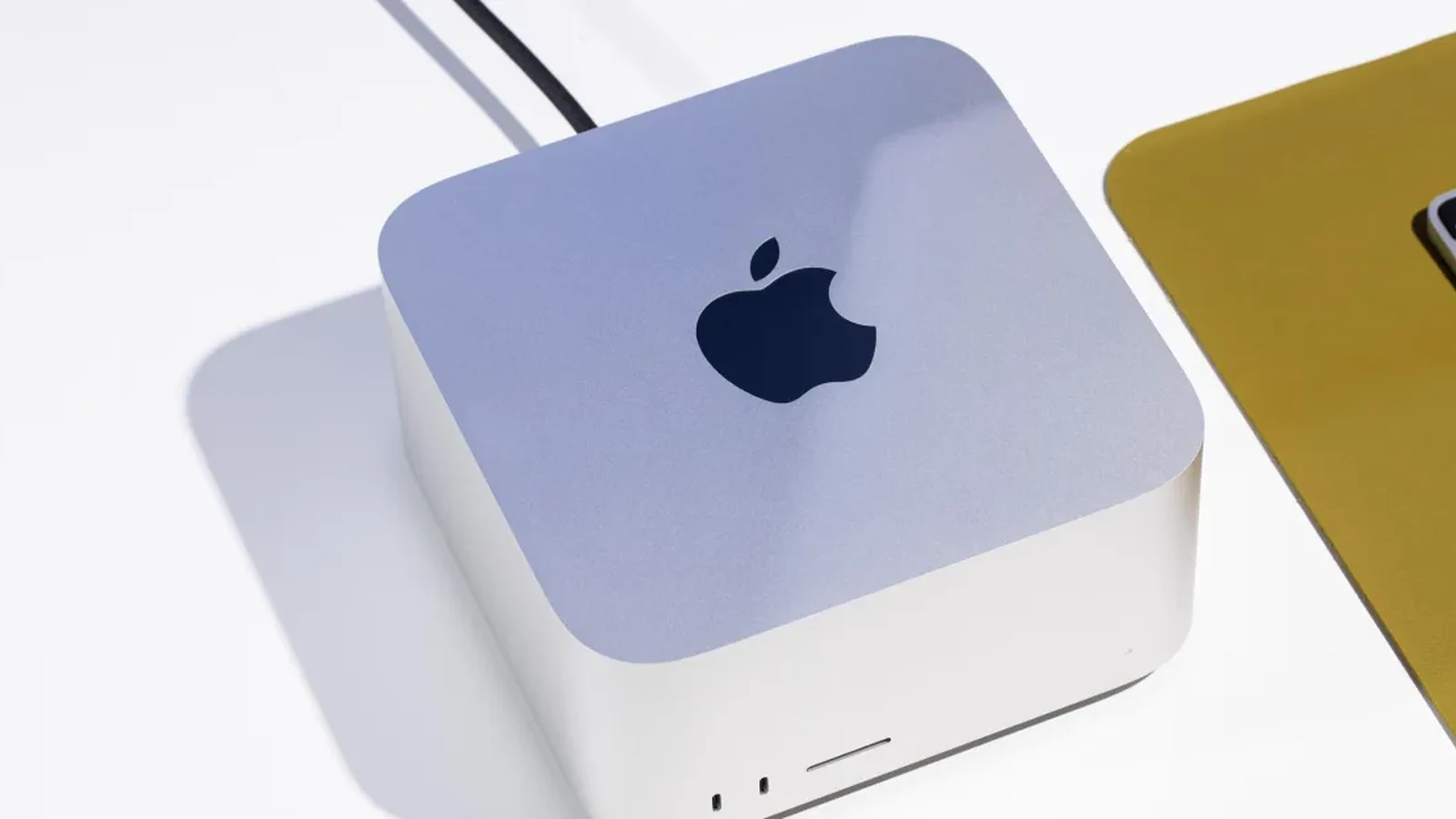
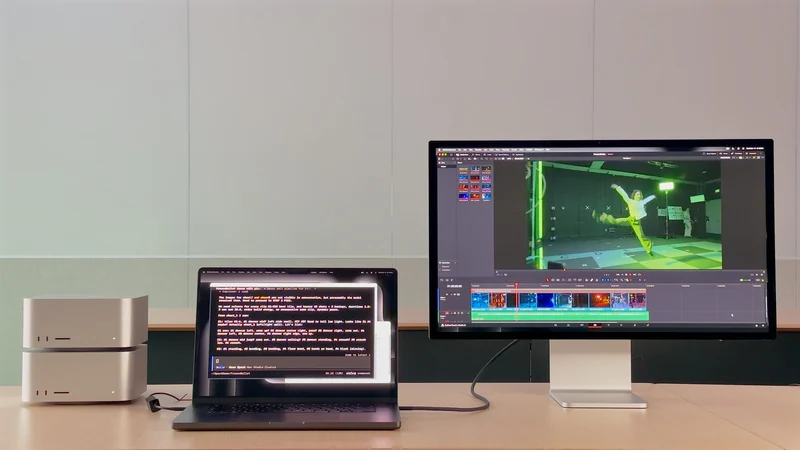
Meta has officially announced the release of [the Muse Spark Open AI model today](https://research.meta.ai/blog/muse-spark-open), positioning the software as the most capable US open-weight model to date. Beyond its capabilities as a large-scale artificial intelligence system, Meta highlighted a significant hardware compatibility milestone, noting that it is the first model in its class capable of running directly on desktop hardware using two Apple M5 Ultra Mac Studios paired with the latest MLX framework.
The newly unveiled architecture is classified as a natively multimodal model featuring a total of 816 billion parameters. According to specifications shared by Meta, the system excels across a variety of demanding applications, including long-horizon tasks, complex software engineering workflows, and advanced multi-step reasoning capabilities. Further details are available from typically rivals in the original source material.
An Unusual Collaboration Between Rivals
The launch marks a rare and cooperative effort between two companies that are [typically rivals](https://www.wsj.com/tech/facebook-meets-apple-in-clash-of-the-tech-titanswe-need-to-inflict-pain-11613192406?mod=article_inline) within the consumer technology and software landscapes. Rather than operating in isolation, Meta and Apple closely cooperated on the rollout of Muse Spark Open, actively supporting each other's respective contributions to the project and ensuring optimized performance across supported desktop ecosystems.
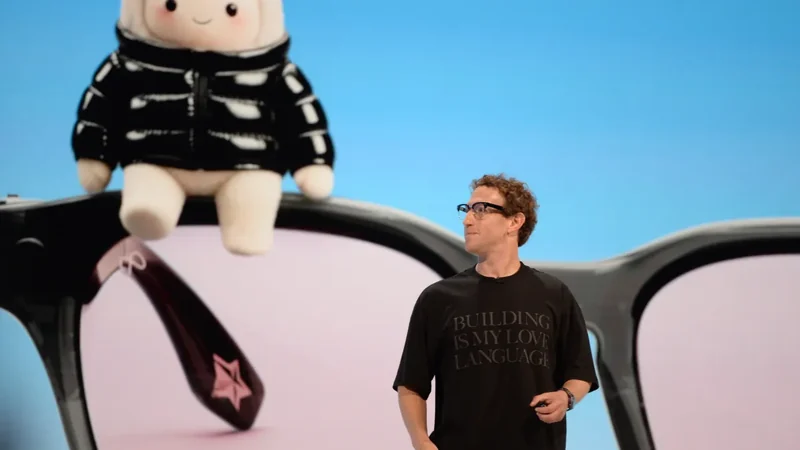
Leadership from both organizations publicly embraced the partnership. Meta CEO Mark Zuckerberg took to social media and [said on X](https://x.com/finkd/status/2110778025629347999) that the new weights for the model run exceptionally well on the latest Mac Studio systems, explicitly crediting the cooperative engineering efforts alongside Apple engineering leadership.
Apple Executive and Leadership Responses
The public praise was reciprocated by Apple's leadership team following the official announcement. Newly appointed Apple CEO John Ternus [said in a reply](https://x.com/johnternus/status/2110789142326165518) on social media, expressing enthusiasm for the technical milestone and congratulating the joint engineering teams involved in the project.
Ternus emphasized the significance of scaling such a massive model efficiently for desktop users, noting that the Mac Studio continues to push the boundaries of what is possible with on-device artificial intelligence processing. Furthermore, Meta chief AI officer Alexandr Wang [said to Axios](https://www.axios.com/2026/10/15/apple-and-meta-bury-the-hatchet-for-ai) that the two corporations had been actively collaborating over the course of several months to bring the project to fruition.
Technical Integration and MLX Framework
To support the integration of Muse Spark Open and other advanced machine learning architectures, Apple released [a new technical post](https://machinelearning.apple.com/research/mlx-distributed-inference) detailing the capabilities of MLX. The platform serves as an array framework specifically designed to accelerate machine learning tasks natively on Apple Silicon hardware.
The technical documentation outlines how distributed inference and specialized hardware configurations allow high-parameter open-weight models to operate with unprecedented efficiency locally. By leveraging dual Mac Studio systems equipped with M5 Ultra processors, developers and enterprise users can execute heavy workloads without relying entirely on remote cloud infrastructure.
Sources
- The VergeMeta and Apple team up to make Muse AI models run better on Macs
Continue chronologically

Related entity coverage
Related stories
Meta Launches Muse Spark Open AI Model for Macs
Meta has released Muse Spark Open, a massive open-weight AI model designed to run locally on Apple silicon using Mac Studio computers.
Meta Releases Muse Spark Open, an 800B-Parameter AI Model
Meta has introduced Muse Spark Open, an 800-billion parameter open-weight AI model optimized for Apple's hardware, requiring 1TB of unified RAM.
Meta Launches Muse Wonder AI Models to Rival the Best
Meta has released its largest AI models, Muse Wonder and Muse Wonder Full, putting the company back at the forefront of global artificial intelligence development.

Apple Cannot Predict When iPhone Duo Supply Will Balance
Apple CEO John Ternus says the company cannot predict when iPhone Duo supply and demand will balance amid ongoing supply chain constraints.