Meta and OpenAI Prepare New Physical AI Hardware Strategies
Major artificial intelligence companies are planning a new push into dedicated hardware devices by testing consumer appetite through cutesy software agents over the coming year.
 Radwan AbdulhadiEditor and technology writer
The Push for Dedicated AI Hardware
While artificial intelligence has made substantial inroads on computers and smartphones, dedicated hardware devices have largely struggled to find mainstream adoption. Previous dedicated AI products like the Friend wearable and the Humane AI Pin have primarily generated frustration and consumer backlash.
Despite the tech industry mantra that hardware is difficult, major AI companies Meta and OpenAI are pushing ahead with new device strategies. According to a public filing, OpenAI is collaborating with famed former Apple designer Jony Ive and plans to ship hardware no earlier than February 2027. Meanwhile, Meta aims to release a pendant-like device ahead of the holiday shopping season.
OpenAI Introduces Dots at DevDay
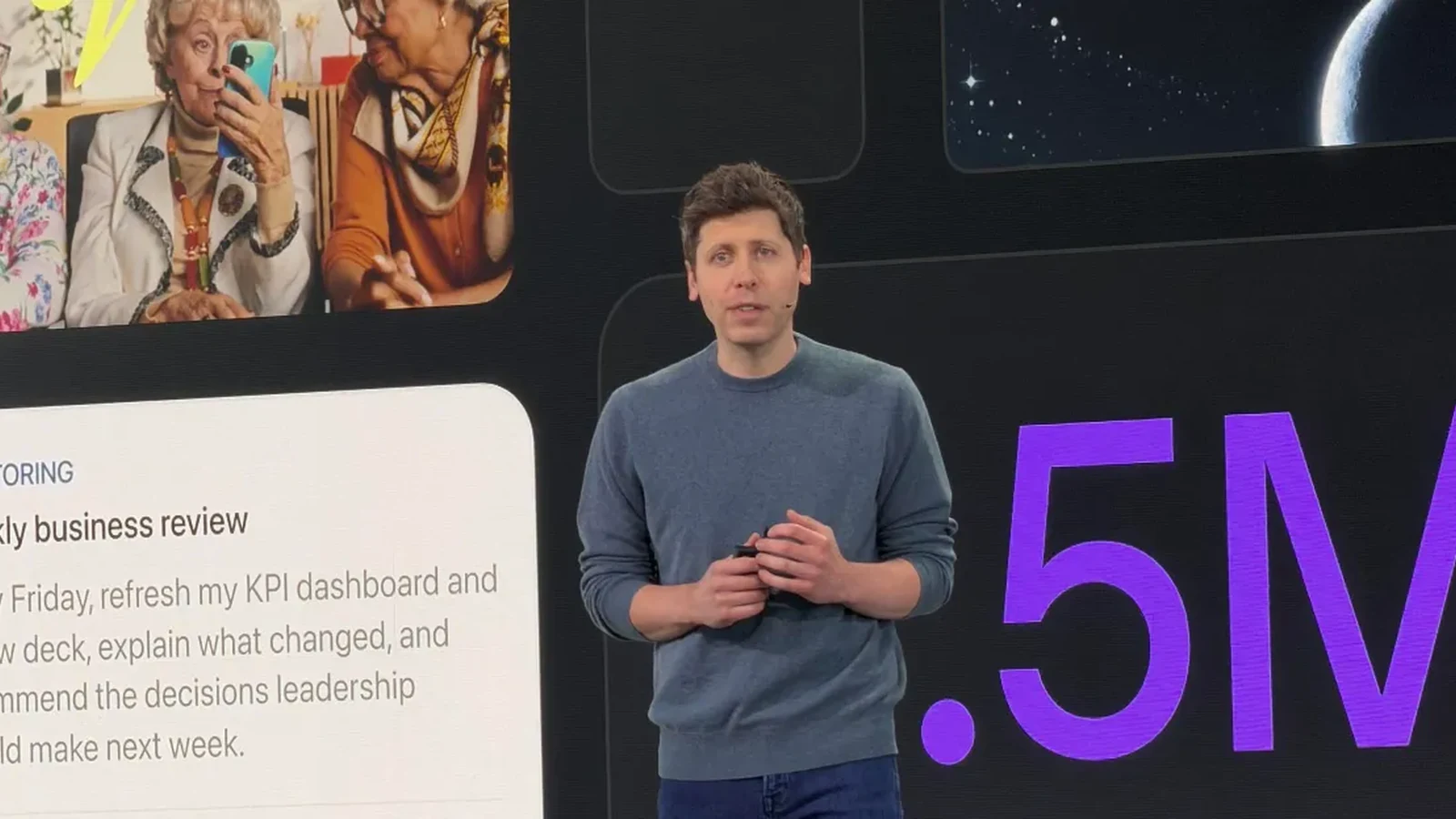
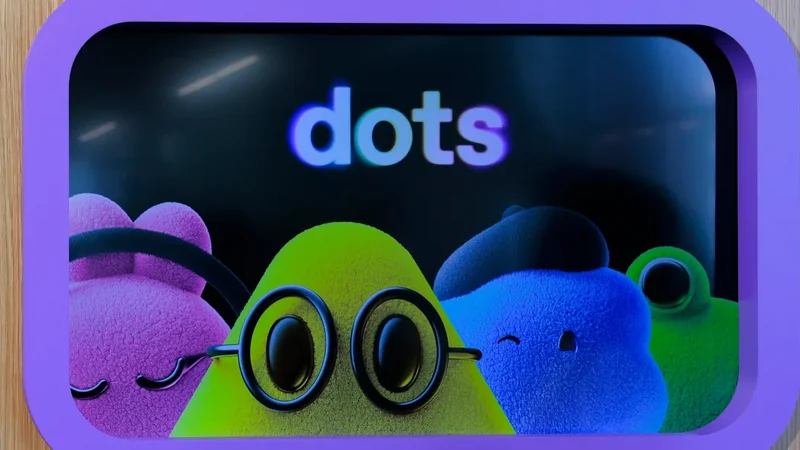
During a recent industry event covered extensively in [Part Of OpenAI DevDay 2026: The biggest news and announcements see all updates], OpenAI debuted a major new AI agent platform called Dots. The platform features personalizable colored blobs complete with eyes. Although OpenAI's hardware did not make an appearance at the event, CEO Sam Altman addressed the possibility during a press Q&A.
When asked whether Dots would transition into a future physical hardware device, Altman stated that it "seems like a very reasonable thing to assume we may do someday," while declining to provide further specifics. Additional coverage and analysis can be found through updates on [OpenAI DevDay 2026: The biggest news and announcements].
Altman expressed confidence that Dots will offer superior utility for long-term tasks compared to earlier market offerings. He described the platform during a press briefing as an always-on collaborator capable of handling large workloads and providing proactive assistance over time.
Meta Targets the Market with Muse Charm
In contrast to OpenAI, Meta is more explicitly connecting its hardware strategy to its recently unveiled Muse agent. CEO Mark Zuckerberg demonstrated the device live on stage, comparing its size and form factor to a keychain.
Referred to as the Muse Charm, the device includes a built-in screen displaying the cuddly Muse AI agent, evoking comparisons to a Tamagotchi. Zuckerberg noted that the device packs extensive technology into a compact format, offering users a fast alternative way to communicate with their agent and share their surroundings when not wearing glasses.
A Software-First Strategy to Hack Hardware
Both tech giants appear to be learning from previous failed hardware rollouts by other companies. Their shared strategy relies on soft-launching software agents before introducing physical hardware, priming the consumer market and allowing users to grow accustomed to interacting with the technology.
By getting users to find value and emotional attachment in these cutesy agents, the companies hope to generate organic word-of-mouth endorsement. Other market participants have explored similar software-first approaches, though prior efforts often leaned heavily toward companion chatbots rather than comprehensive productivity tools.
Looking Ahead to Everyday Integration
Discussing the long-term vision for ChatGPT during a press briefing, Thibault Sottiaux, OpenAI’s head of core products, explained that the company intends to evolve ChatGPT in place to serve as a personal assistant. Sottiaux believes that as users access their AI agents across multiple channels like email, text, and phone calls, the distinction between interaction points will eventually blur to become a natural part of daily life.
Despite these ambitious plans, both companies still face technical and security hurdles. Recent challenges include concerning exploits involving Muse on Facebook Marketplace and a voice demonstration for Dots that did not go entirely according to plan during a keynote presentation.
Sources
- The VergeThe AI Tamagotchis are coming
Continue chronologically

Related entity coverage
Related stories
OpenAI Announces Dots Agent at DevDay to Challenge Meta
OpenAI unveils its GPT-6 Astra-powered Dots AI agent at DevDay to compete with Meta's Muse, launching initially as a premium product.
OpenAI CEO Sam Altman Reveals New AI Agent at Developer Event
OpenAI CEO Sam Altman introduced new Dots AI agents at the annual developer conference while avoiding mention of recent security concerns.

OpenAI Introduces Dots and Meta Launches Muse for AI Agents
OpenAI and Meta are competing in the personal AI agent market with new always-on tools like Dots and Muse designed to automate everyday tasks.

AI Industry Divided Over Future of Regulatory Frameworks
Tech leaders clash over AI safety proposals as the Trump administration labels industry-led regulation efforts a hoax amidst internal industry conflict.