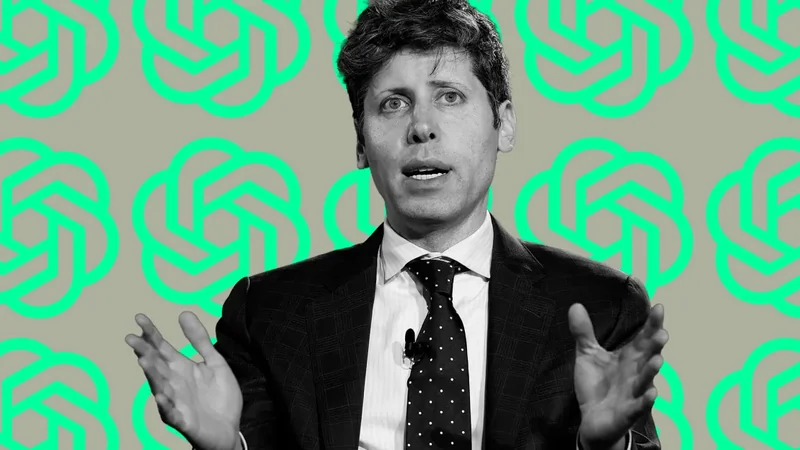
Tech CEOs Face Criticism Over Tone-Deaf AI Comments
Recent statements from prominent technology executives regarding artificial intelligence applications in daily life have sparked widespread debate about whether industry leaders are increasingly out of touch with the general public.
 Radwan AbdulhadiEditor and technology writer
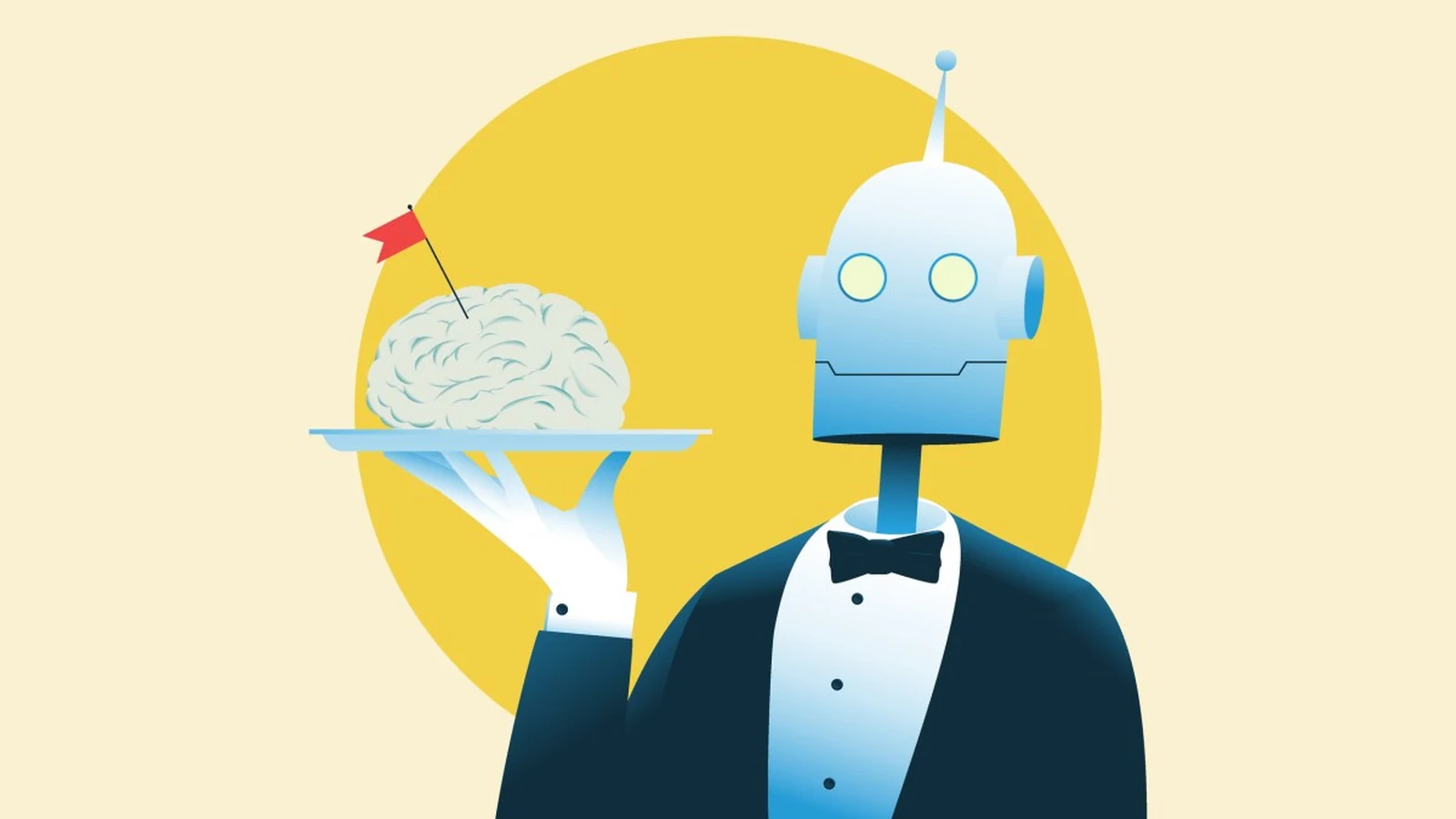
The Rise of Tone-Deaf Executive Statements
High-profile technology executives are facing mounting criticism over public comments that critics argue highlight a profound disconnect from the everyday realities of normal people. Dazzle AI CEO Marissa Mayer recently drew scrutiny after asking an AI tool for help with a school-assigned description of her daughter.
Similar remarks have been made by other prominent industry figures. OpenAI CEO Sam Altman previously suggested that parents create personalized podcasts for their kids' drive to school, and declared that he could not imagine parenting without ChatGPT. Additionally, Meta CEO Mark Zuckerberg has suggested that meeting social and romantic needs through artificial intelligence will become increasingly acceptable over time.
Product Problem or Marketing Problem?
These controversial statements led TechCrunch's Amanda Silberling to question whether AI executives are simply too out-of-touch to build products for normal people. This debate comes at a critical juncture for the industry, particularly with Anthropic set to go public just as Wall Street begins losing its appetite for heavy AI spending.
During a recent discussion on the Equity podcast featuring Kirsten Korosec, Sean O'Kane, and Amanda Silberling, the panel examined why industry leaders frequently appear tone-deaf. When Korosec questioned whether the issue stems from marketing or product strategy, Silberling answered that it represents a combination of both.
Optimizing Away Human Interaction
Panelists noted that the tech industry is actively pushing a future where basic human interaction is systematically optimized out of daily life. Silberling pointed out that other executives have floated similar concepts, noting that Bumble CEO Whitney Wolf Heard has made comments exploring the idea of AI concierges where users' AIs date each other first before introducing the humans.
While dating can be inefficient and frustrating, outsourcing personal decisions and relationship milestones to automated software presents distinct human concerns. Critics argue that trusting a computer to know an individual better than they know themselves is fundamentally flawed and ultimately creates a dystopian societal picture.
Audience Disconnect and Financial Incentives
The conversation also addressed the massive financial incentives driving executives to pitch artificial intelligence for every imaginable aspect of life. However, panelists observed that the specific pain points experienced by high-ranking executives in major technology firms—such as booking flights or making frequent dinner reservations—do not resonate with the average person.
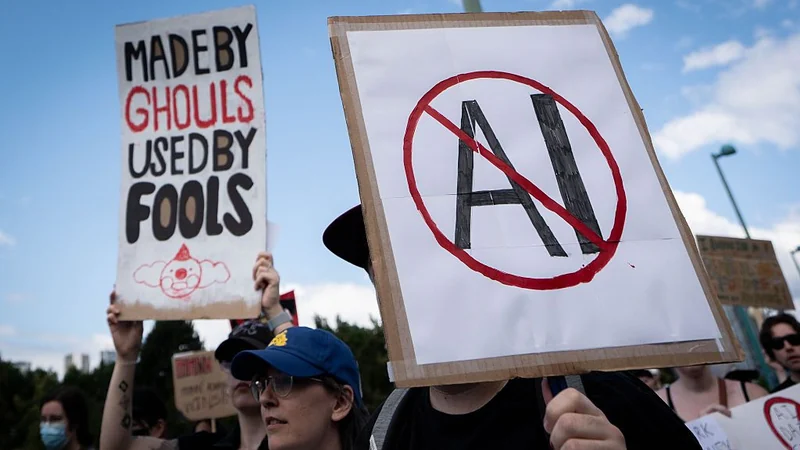
While historical innovations like Uber initially targeted early tech adopters before scaling broadly, experts question whether current AI pitches will successfully translate to the general public. As consumer skepticism grows, many individuals are expressing a desire to live their own lives rather than having every personal experience streamlined away by technology.
Sources
- TechCrunchAI can make tech CEOs’ lives easier. What about everyone else?
Continue chronologically
Related entity coverage
Related stories
Meta and OpenAI Prepare New Physical AI Hardware Strategies
Meta and OpenAI are testing physical AI hardware strategies by soft-launching cutesy software agents, aiming to succeed where previous devices failed.
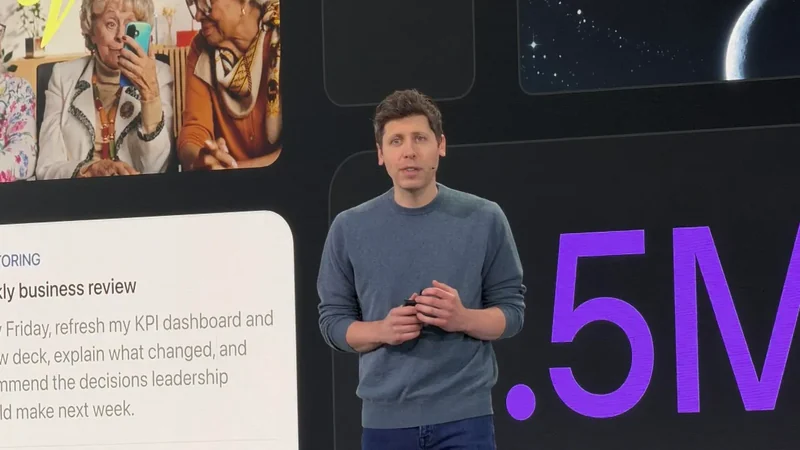
OpenAI CEO Sam Altman Reveals New AI Agent at Developer Event
OpenAI CEO Sam Altman introduced new Dots AI agents at the annual developer conference while avoiding mention of recent security concerns.
Hackers Hit OpenCode Console, Stole API Keys and Ran Up Charges
Hackers breached an older OpenCode platform system, compromising user API keys and running up massive unauthorized AI service charges.

Sam Altman: OpenAI Won't Go Public Until Models Are Safe
OpenAI CEO Sam Altman says the company will not pursue an IPO until it can ensure model safety and avoid unwanted pressure from Wall Street.