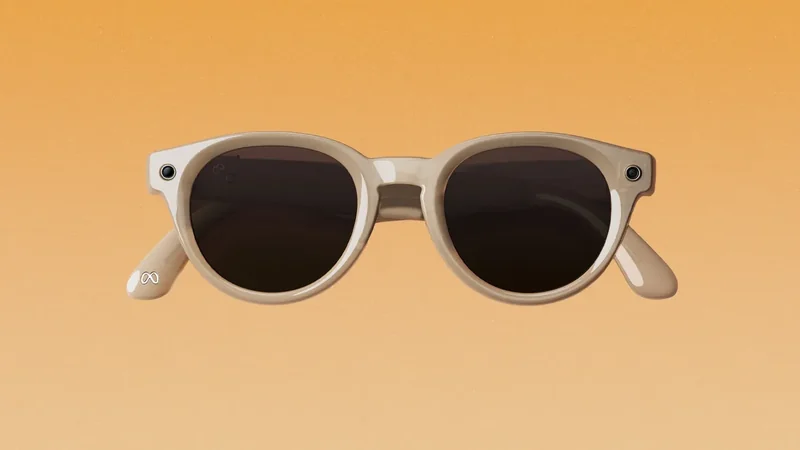
Building a DIY AI Tamagotchi with Off-the-Shelf Hardware
Meta’s upcoming Muse Charm aims to bring companion AI to portable hardware, but developers and hobbyists are already experimenting with off-the-shelf alternatives to build custom pocket AI devices.
 Radwan AbdulhadiEditor and technology writer
The Rise of Portable AI Companions
Mark Zuckerberg’s Meta has positioned its upcoming hardware lineup to make artificial intelligence visually engaging by offering a squishy face and compact form factors. This holiday season, the company plans to release a Muse Charm, designed to let users carry an AI assistant around much like a classic Tamagotchi.
However, obtaining an official Meta device is not the only route for enthusiasts interested in wearable AI companions. Meta's ecosystem includes developer documentation and sample applications that allow users to assemble similar gadgets using readily available commercial hardware components.
Assembling the DIY Pocket Pendant
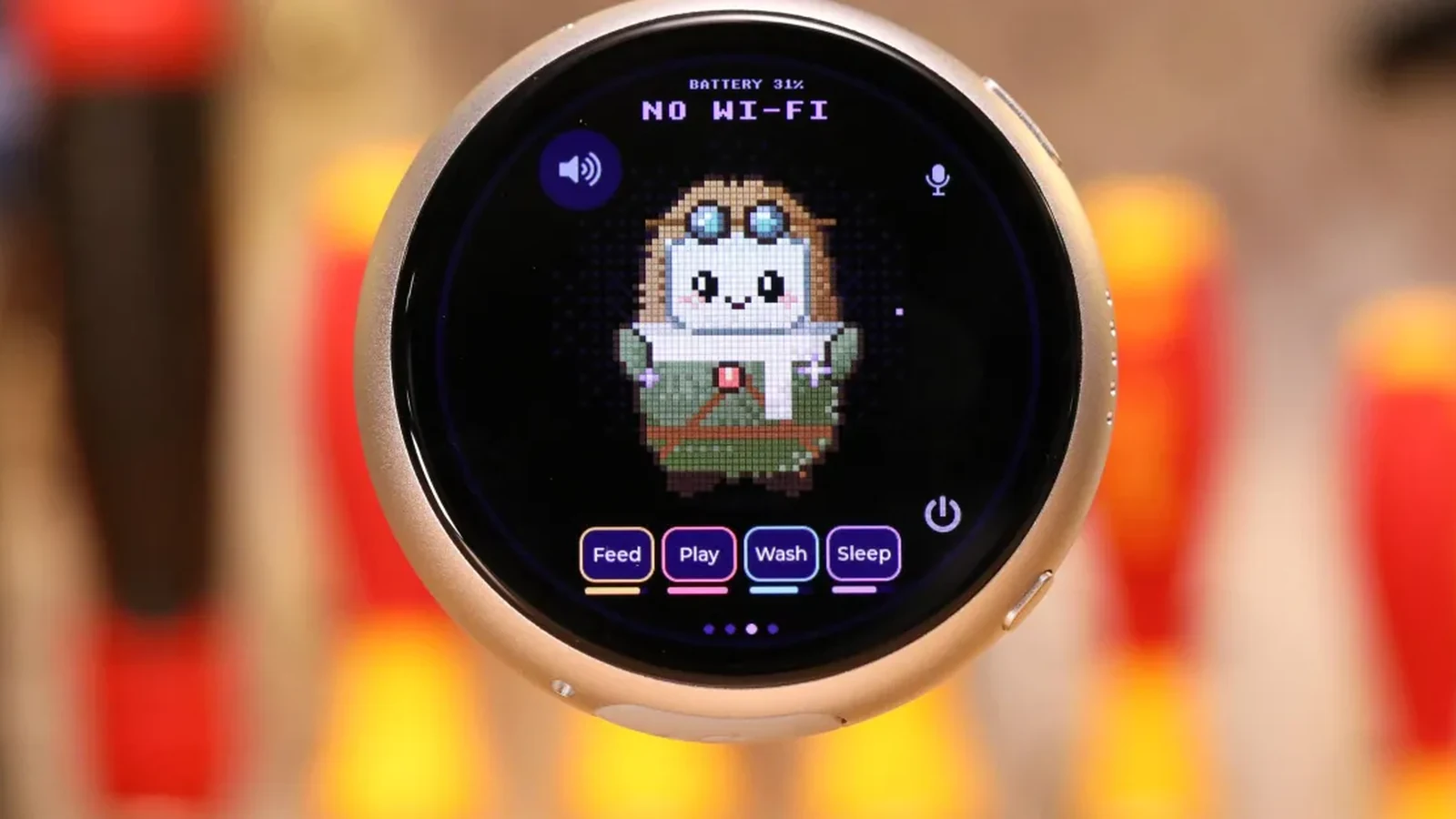
An alternative device can be built using the Waveshare ESP32-S3 1.75C touchscreen computer pendant, which drops-shipped from China for around $50. This push-to-talk AI devkit functions as an officially sanctioned starting point for those looking to build a "Muse Gadget," utilizing Meta's open-source code and authentication tokens to establish a direct connection to the Muse AI cloud.
While the hardware resembles a silver metal pocket watch, the initial out-of-the-box setup provides limited standalone utility. Setting up the device involved connecting it to a computer, pointing coding assistants toward Meta's GitHub repository, and pairing the hardware with the official phone application.
Overcoming Initial Software Limitations
Initial testing revealed several constraints in the default software configuration provided by Meta. The hardware's default interface only displayed a small number of words on screen at a time without an integrated place to read full messages, and the system initially interpreted short voice queries as audio transcription clips rather than interactive commands.
Furthermore, the basic build featured only a single avatar with limited interactivity and lacked automatic discovery for common smart home ecosystems. Software engineers Anant Narayanan and Jeremy Payne provided sample applications for streaming video from a phone camera, but the lack of a remote shutter button restricted its practical photography use.
Expanding Functionality Through Custom Coding
By utilizing conversational coding assistants such as Claude, the builder was able to address many of the hardware's functional shortcomings. Modifications included creating a conversation history interface to review past responses, integrating an ElevenLabs British voice synthesis model to speak answers aloud, and improving audio capture thresholds so that short button presses did not disrupt processing.
Additional programming sessions enabled remote camera previews over Bluetooth, a functional pocket watch interface with three working hands, and a video player capable of running clips introducing the Muse Charm hardware. The developer also implemented a Tamagotchi-inspired minigame featuring multiple levels of hunger, boredom, and cleanliness for custom digital avatars.
Security Precautions and Outlook
Despite the successful integration of custom features, security and privacy concerns remain surrounding cloud-connected AI agents. Reports regarding data handling and privacy incidents with Meta's AI integrations have prompted caution, leading developers to isolate such experimental hardware on guest wireless networks.
As the tech industry prepares for the commercial release of dedicated AI wearables, projects like the DIY Muse Charm highlight the growing appeal of programmable development kits. Whether consumers will prefer closed commercial accessories or open-ended development hardware remains to be seen as more products reach the market.
Sources
- The VergeI built an AI Tamagotchi before Meta could
Continue chronologically

Related entity coverage
Related stories
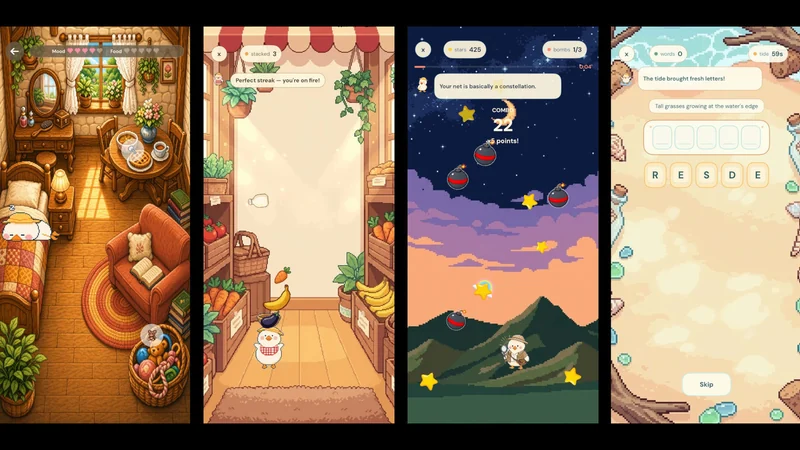
Meta Launches Waddle World AI Pet App in the Philippines
Meta has released Waddle World, a Tamagotchi-like AI pet app that doubles as a daily journal, currently available in the Philippines.
Anthropic Announces Claude Duet AI Agent for Professionals
Anthropic has introduced Claude Duet, a new AI agent designed for professionals and small business owners, launching as an early research preview.

Ray-Ban Meta Audio Glasses Review: Camera-Free Wearables
Meta introduces the Ray-Ban Meta Audio glasses priced at $349, offering a camera-free design, improved battery life, and open-ear audio.
Meta Glasses Nova Gen 3 Review: Iterative Upgrades
Read our comprehensive review of the new Meta Glasses Nova (Gen 3). Discover the latest design changes, battery improvements, and AI features.