Googlebook Linux Terminal Preview Brings VM-Backed AI Tools
Google has announced the preview release of the Googlebook Linux Terminal, offering a secure, VM-backed environment built for modern AI workflows and development tasks.
 Radwan AbdulhadiEditor and technology writer
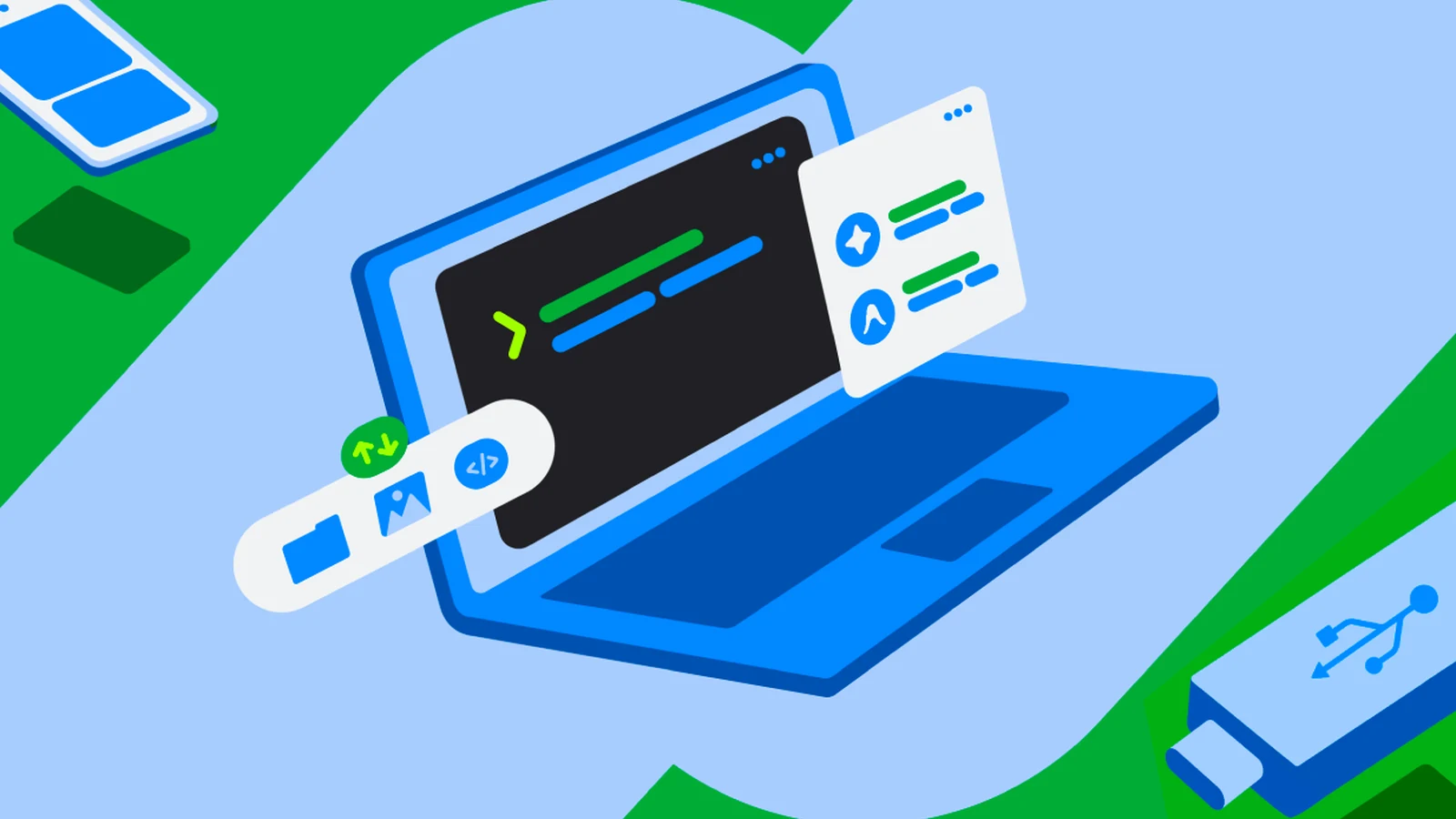
Introduction to the Googlebook Linux Terminal Preview
Getting the most out of modern artificial intelligence workflows frequently requires access to a command line interface, even for users who do not traditionally identify as programmers or software developers. To address this need, Cyrus Stoller, Group Product Manager for Laptops & Tablets, announced the introduction of the Googlebook Linux Terminal Preview on the [Android Developers](https://android-developers.googleblog.com/2026/10/googlebook-linux-terminal-preview-vm.html) blog. Stoller noted that Googlebook aims to help users express themselves and gain access to essential command-line tools, coming equipped with pre-installed tooling to get started immediately.
The release builds upon broader efforts detailed across the [Android Developers Blog](https://android-developers.googleblog.com), focusing on modern developer tools and platform features. By lowering the barrier to entry for command-line tools, Google seeks to make Googlebook a capable companion for diverse technical tasks.
Agentic AI Development and Sandbox Security
A primary focus of the new terminal is serving as an entry point for agentic development. AI agents rely on the terminal to install packages, write files, automate repetitive tasks, and create applications based on plain-language prompts. Because Googlebook aims to function as a companion for working at the frontier of agentic AI, the developers ensured the terminal is easily accessible to users.
Recognizing that artificial intelligence deployment carries inherent risks, the Googlebook OS has been architected with defense-in-depth as a core principle. To maintain system integrity, all terminal commands execute entirely inside a Linux virtual machine, establishing an isolated sandbox environment. This protective design permits users to safely grant sudo administrator privileges to AI tools like Antigravity and other applications without exposing the host system to unintended modifications.

Expanding Local Device Debugging Capabilities
Google is actively developing features to support building not only directly on Googlebook but also for external devices. In addition to existing network passthrough and wireless Android Debug Bridge capabilities, upcoming updates will introduce USB passthrough and native support for ADB over USB. These additions will enable local device debugging workflows directly from the Linux virtual machine and Antigravity.
The company continues to share updates relevant to the wider developer ecosystem, pointing users toward resources on the [Android Developers](https://developer.android.com/) portal for deeper documentation on related technologies.
Future Roadmap and Hardware Acceleration
As testers continue pushing the virtual machine with increasingly complex tasks, Google is preparing several key enhancements. To make heavy workloads more seamless, the development team is introducing dynamic memory and storage scaling for the virtual machine.
Furthermore, the roadmap includes plans to add GPU and NPU hardware acceleration for heavier local workloads. This addition will allow users to leverage the performance and power efficiency of dedicated hardware when running demanding operations.
To better support long-running processes during demanding agentic workloads, Google is also working on virtual machine persistence and clear separation from the terminal window, ensuring workflows continue smoothly even when the user interface window is managed or closed.
Sources
- Android DevelopersIntroducing the Googlebook Linux Terminal Preview: A VM-Backed Environment for AI and Development
Continue chronologically

Related entity coverage
Related stories
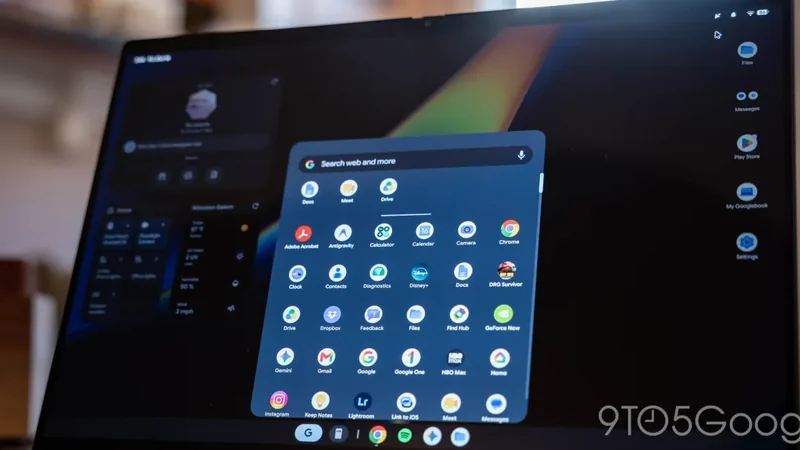
Chrome 156 for Googlebook Launches With 14 Updates
Google is rolling out Chrome 156 for Googlebook via the Play Store, bringing 14 updates, improvements, bug fixes, and new AI mode features.
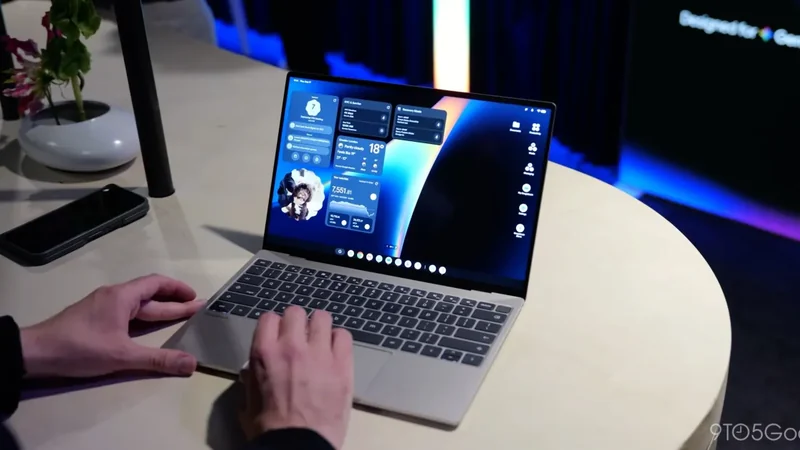
Googlebook Bootloader Unlocking Confirmed With Magisk Root Support
Google has confirmed that the bootloader on the Android-based Googlebook can be unlocked, and Magisk root support is actively in the works.
Google limits free AI Pro trials versus paid users
Google’s free AI Pro trials offer less access than paid plans, including limits on Gemini 4 Argon, YouTube Premium Lite and Store rewards.
Google Rolls Out Gemini 4 Argon for Paying Users
Google is bringing its advanced Gemini 4 Argon AI model to paying users and developers, featuring strict tier limits and temporary API pricing.