What to Look For When Buying a Cheap Android Phone
Shopping for a budget-friendly device does not mean you have to sacrifice essential performance, battery life, and display quality.
 Radwan AbdulhadiEditor and technology writer
Understanding Budget Android Trade-Offs
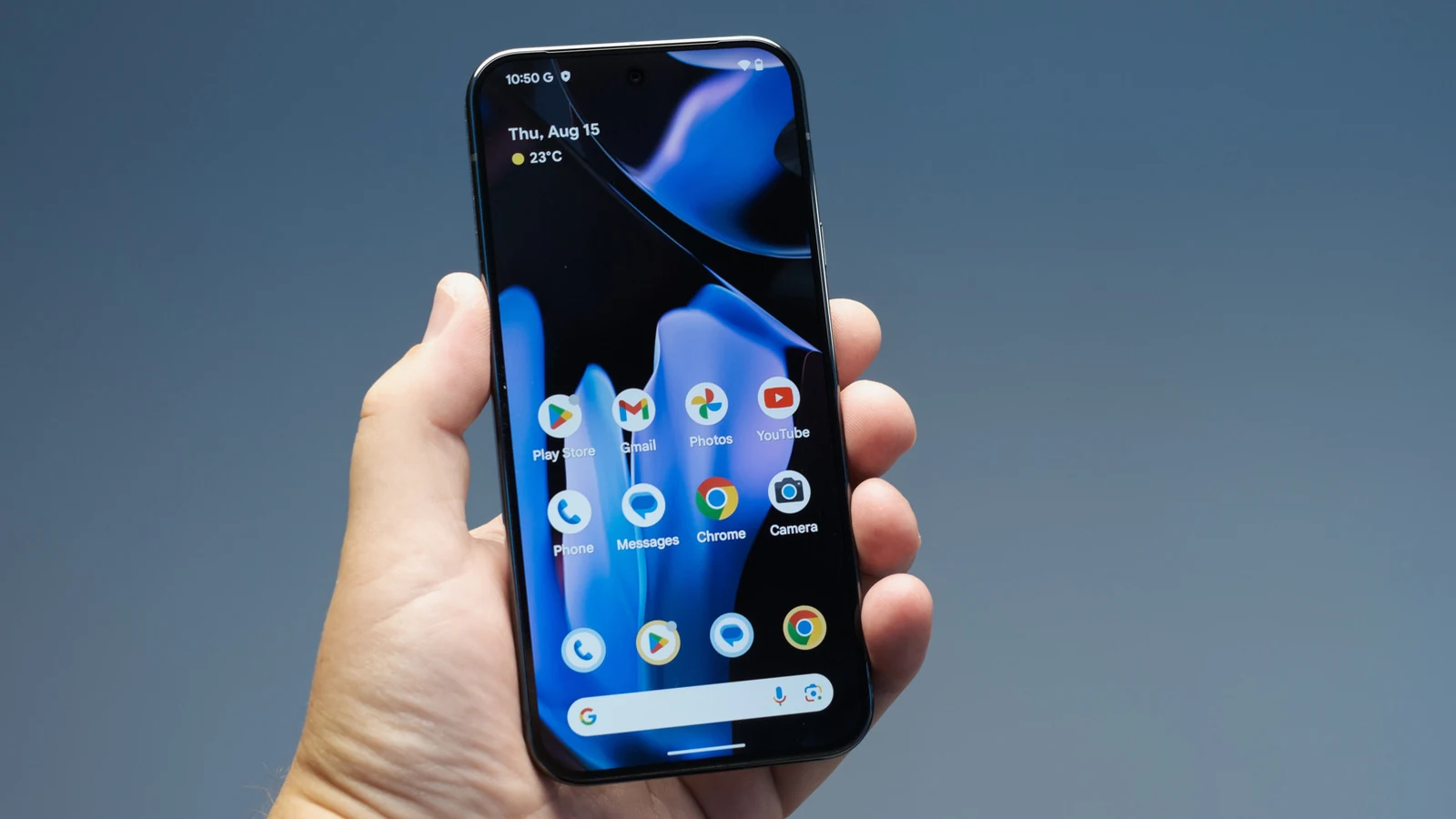
According to a report by Engadget, you do not need to spend an excessive amount of money on a brand-new smartphone. There are many great cheap Android phone options available for $300 or less if shoppers know what to look for.
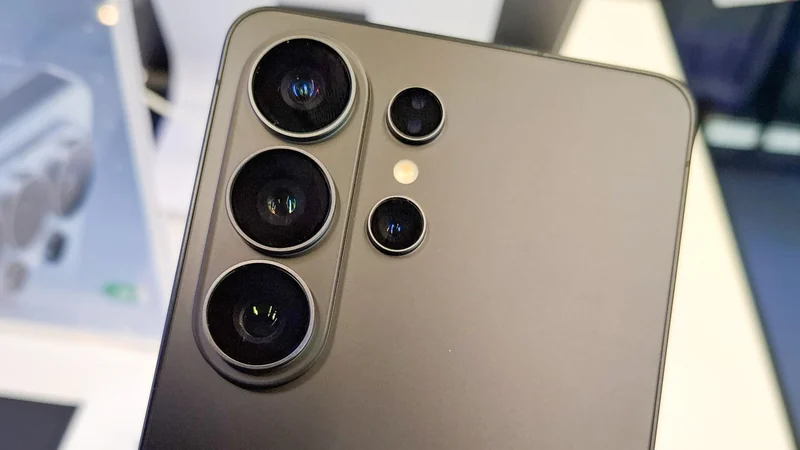
While concessions can be made on luxury exterior elements like a sleek titanium frame, certain internal specifications remain non-negotiable. Buyers should draw the line at devices equipped with insufficient RAM, poor battery life, low-quality cameras, subpar processors, or overly restricted screens.
Display and Visual Standards
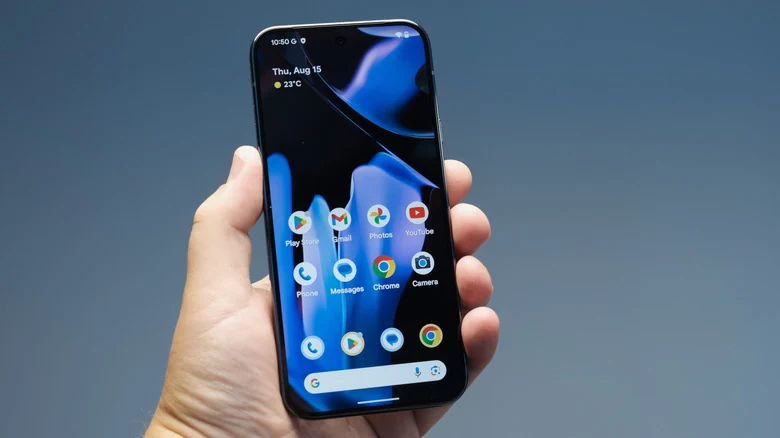
Screen dimensions have evolved significantly since the early days of mobile technology. A modern budget device should feature at least a 5.6-inch screen, though most current models measure 6.1 inches or larger. This size accommodates two-handed typing while ensuring content remains clearly visible.
In addition to physical size, display panel quality matters. The screen should feature an AMOLED panel with HD resolution and a peak brightness of at least 1,000 nits to maintain visibility in direct sunlight.
Memory, Storage, and Processing Power
Performance relies heavily on memory allocation. Experts recommend at least 6GB of RAM to prevent slow or inconsistent multitasking, video streaming, and casual gaming, while heavy mobile gamers may want to consider 8GB.
Because expandable storage has become a rarity, 128GB serves as the absolute minimum storage capacity, with 256GB providing better long-term peace of mind. Furthermore, processing power remains critical; checking processor age and reviews prevents purchasing a laggy device, noting that a great processor is vital for gaming on an Android phone.
Battery Capacity and Camera Capabilities
Battery longevity is another critical consideration for daily use. A battery capacity of at least 4,500mAh is sufficient when heavy AI processing is absent, but 5,000mAh serves as a stronger starting point to sustain moderate daily usage.
Camera hardware should be capable of producing photos suitable for social media sharing and personal archiving. This typically involves at least a 32MP rear sensor paired with a large sensor capable of gathering ample light, alongside a front-facing camera of at least 12MP for clear selfies.

Connectivity, Software, and Recommended Models
Additional foundational features include NFC support for tap-to-pay transactions and recent Bluetooth versions for stable accessory connections. Buyers of older models should also confirm that the device retains several years of software and security updates.
Shoppers can find qualifying features across multiple manufacturer lineups, such as Samsung's Galaxy A series. For instance, a review of the Samsung Galaxy A17 highlights it as a respectable and affordable choice, while renewed older models like the Google Pixel 8a can also be found near the $300 threshold.
Sources
- EngadgetDon't buy a cheap Android phone without these non-negotiable features
Continue chronologically


Related entity coverage
Related stories
How to Check If Your Android Phone Still Gets Security Updates
Learn how to check your Android phone's security update status, find manufacturer end-of-life dates, and secure an unsupported device.
How to Improve Audio Quality on Your Android Phone
Learn how to optimize your Android phone's audio settings, choose between wired and Bluetooth headphones, and achieve better sound quality.
Google Updates Android Distribution Numbers for 17 and 16
Google has refreshed its Android distribution numbers, showing that Android 17 sits at 1% adoption while Android 16 claims over 25%.
Turn on your Android flashlight without unlocking your phone
Learn how to easily and quickly turn on the flashlight on your Samsung Galaxy and Google Pixel Android phones without unlocking your device.