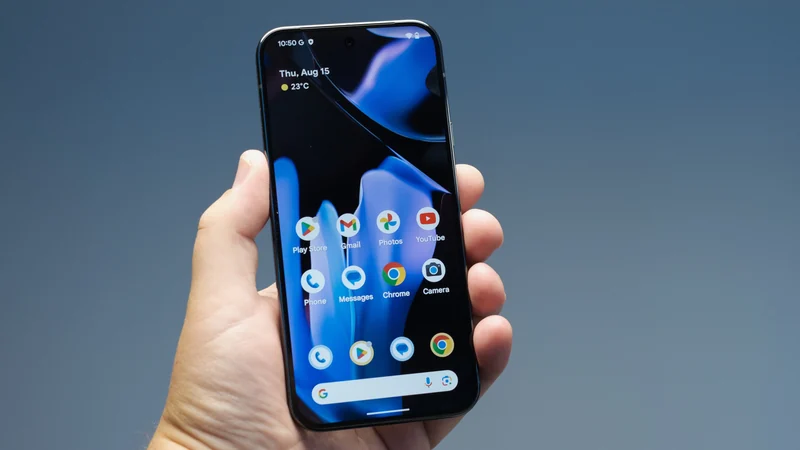
Google Updates Android Distribution Numbers for 17 and 16
Google has refreshed its Android distribution numbers, revealing that Android 17 is installed on just 1% of devices roughly four months after its initial rollout, while Android 16 now claims the largest share of active users.
 Radwan AbdulhadiEditor and technology writer
Android 17 Rollout Pace and Early Numbers
Google has updated its official Android distribution numbers, revealing the current adoption pace for its latest mobile operating system. According to data updated as of October 19, Android 17 is currently running on just 1% of active devices across the ecosystem.
The software first became available when it was released to Pixel phones in June, meaning the latest platform iteration has been accessible to the public for approximately four months.
Context Behind the Slow Android 17 Adoption
While an adoption rate of 1% after four months may appear low, the timing warrants specific context regarding how major original equipment manufacturers handle software updates. Major hardware partners, including Samsung, have only begun their wide rollouts of Android 17 over the past few weeks.
Consequently, devices managed by these major players are currently very unlikely to be reflected in the initial 1% metric captured by Google's data reporting schedule.
Android 16 Secures the Largest Share
In stark contrast to the nascent numbers for Android 17, last year's Android 16 release now makes up the biggest slice of the pie, commanding over 25% of active devices.
This performance marks a substantial acceleration when compared to historical ecosystem data. For instance, in Google’s last update in December 2025/January 2026, Android 16 sat at 7.5% of devices several months following its initial release.
The steady consolidation of Android 16 is considered quite impressive by industry observers, given that older platform iterations typically maintain wider usage shares at this particular stage in the annual release cycle.
Changes to Older Android Versions in the Dataset
Alongside data for newer software iterations, Google's latest dataset introduces notable alterations to legacy versions. Notably, Google has completely dropped Android 5 (Lollipop) from its reported statistics with this update.
Among the remaining legacy releases, Android 5.1 accounts for a minimal 0.2% of active devices. Meanwhile, Android 11 continues to hold a surprisingly stubborn share of over 10%, maintaining a higher percentage than observed in several prior updates despite unclear underlying reasons.
Additionally, Android 12 has experienced a decline in usage share, dropping down to 9.6% across the active global ecosystem tracked by Google.
Sources
- 9to5GoogleAndroid 17 is on 1% of devices after four months, Android 16 on over 25%
Continue chronologically


Related entity coverage
Related stories
How to Block and Unblock Numbers on Your Android Phone
Tired of spam? Learn how to effectively manage your block list on Android phones, including specific steps for Samsung and Google Pixel devices.

How to Check If Your Android Phone Still Gets Security Updates
Learn how to check your Android phone's security update status, find manufacturer end-of-life dates, and secure an unsupported device.
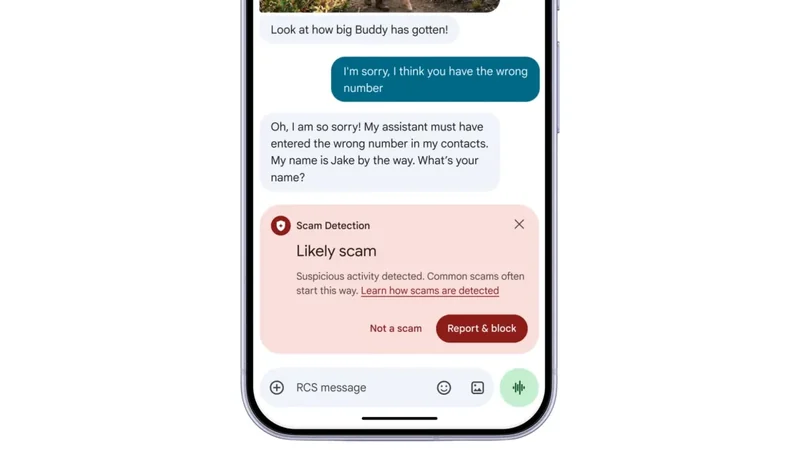
Google Messages Adds Enhanced Protection Mode for Android
Google is introducing an enhanced protection mode in Google Messages and new Android security features for Cybersecurity Awareness Month.
What to Look For When Buying a Cheap Android Phone
Discover the essential non-negotiable features you need to look for when shopping for a budget Android phone priced at $300 or less.