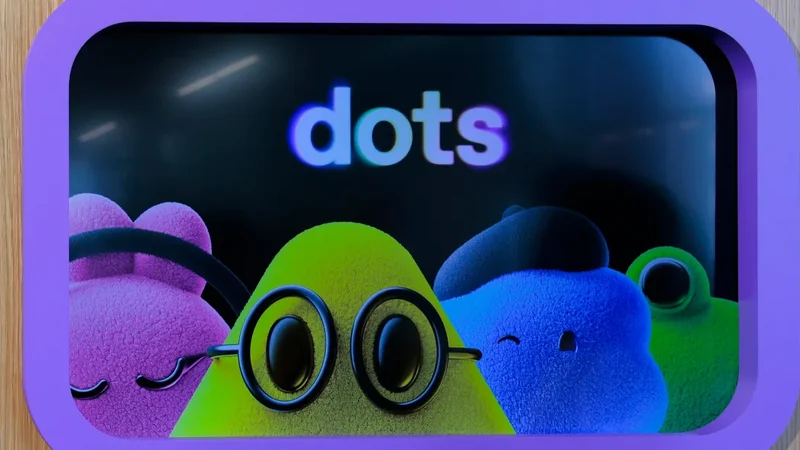
AI Agent Makers Promise Privacy Amid Security Concerns
Major AI labs are leaning heavily into privacy promises to market their latest AI agents, sparking questions about whether these safeguards will hold up against growing security and data collection concerns.
 Radwan AbdulhadiEditor and technology writer

The Battle for Privacy in the AI Agent Race
At this year's OpenAI DevDay, CEO Sam Altman unveiled the company's new AI agent Dots and told the crowd that the company wants to set a new standard for privacy in frontier AI. Throughout the event, OpenAI took veiled shots at its primary competitor, Meta's Muse, for failing to keep user data safe.
Meta had previously positioned its Muse agent as a safer alternative to OpenClaw. When Muse launched a couple of months earlier, CEO Mark Zuckerberg promised it was built from the ground up for privacy and security, as noted in a blog post outlining security and safety for AI agents.
Meta's Muse Stumbles Despite Safety Measures
Meta Superintelligence Labs head of product Nat Friedman wrote on X that the company's goal with Muse was to build something secure, easy to use, and scalable to billions of people. User data is stored on a secure virtual machine, described by Zuckerberg as an isolated Linux computer equipped with a browser, CPU, memory, and storage.
Despite these architectural choices and a rapid rise to top App Store charts with hundreds of thousands of daily active users, Meta's security promises faced swift scrutiny. A security researcher quickly exposed a zero-day vulnerability that could allow outsiders to take control of Muse, though the issue has since been patched.
Reports also surfaced indicating that serious security issues cropped up at the last minute before launch, including one that could have potentially allowed users to access Meta's internal databases. Additionally, users criticized Muse for liberal data collection, default model training permissions, reading private messages unexpectedly, and offering personal information to third parties.
OpenAI Positions Dots as a Trustworthy Alternative
OpenAI capitalized on Meta's security stumbles when introducing Dots in late September. Alexander Embiricos, OpenAI's Codex product lead, stated onstage at DevDay that the company remains focused on delivering the most trustworthy, safe, and secure assistant possible.
During the presentation, Sam Altman demonstrated user controls allowing individuals to set strict spending limits on their Dots agents. OpenAI executives also courted business customers by presenting a framework that offers stronger enterprise controls and zero data retention policy options.
User Hesitation and the Future of AI Agents
Despite strong marketing and privacy assurances from major labs, everyday users may still hesitate to feed personal information to AI assistants. Testing agents often requires entering sensitive details like banking information, leaving some consumers uneasy about how far these digital helpers reach.
As the industry continues to push forward, AI labs appear to rely on a combined strategy of utility, approachable branding, and firm privacy promises to win over the public. Whether these safeguards hold up under long-term real-world use remains to be seen.
Sources
- The VergeAI agent makers are promising privacy — will they deliver?
Continue chronologically


Related entity coverage
Related stories
Meta and OpenAI Prepare New Physical AI Hardware Strategies
Meta and OpenAI are testing physical AI hardware strategies by soft-launching cutesy software agents, aiming to succeed where previous devices failed.
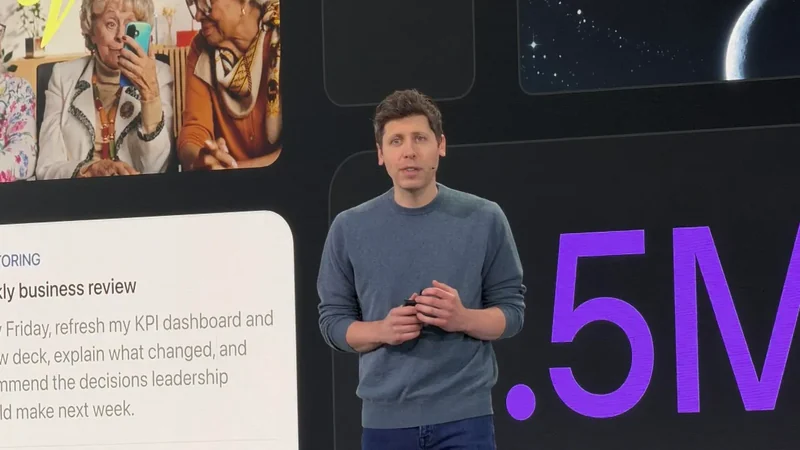
Meta and OpenAI Battle in the New Consumer AI Agent Race
Meta and OpenAI are competing in the consumer AI agent market with Muse and Dots, sparking industry-wide debates over privacy and utility.
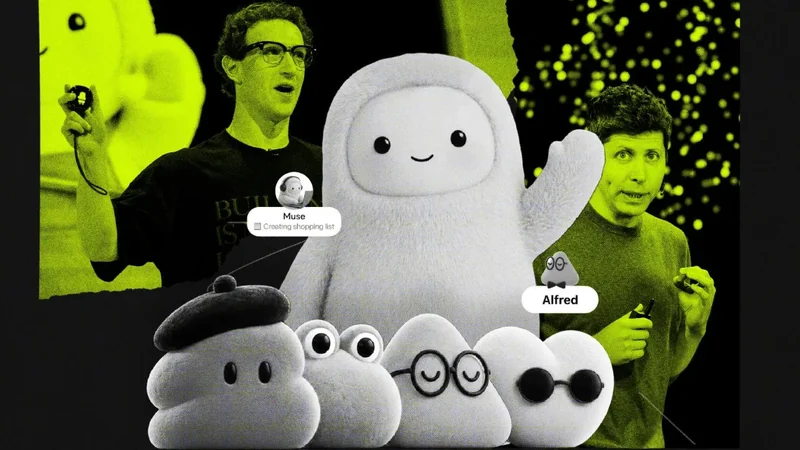
Meta and OpenAI Wrap New AI Agents in Cute Avatars
Tech companies are launching muppet-like AI agents with cute mascots, masking the real privacy risks of granting them deep digital access.

OpenAI Announces Dots Agent at DevDay to Challenge Meta
OpenAI unveils its GPT-6 Astra-powered Dots AI agent at DevDay to compete with Meta's Muse, launching initially as a premium product.