Meta and OpenAI Wrap New AI Agents in Cute Avatars
As tech giants roll out adorable AI avatars designed to look harmless, users are reminded that cozy aesthetics can obscure serious data privacy risks.
 Radwan AbdulhadiEditor and technology writer
The Rise of the Adorable AI Agent
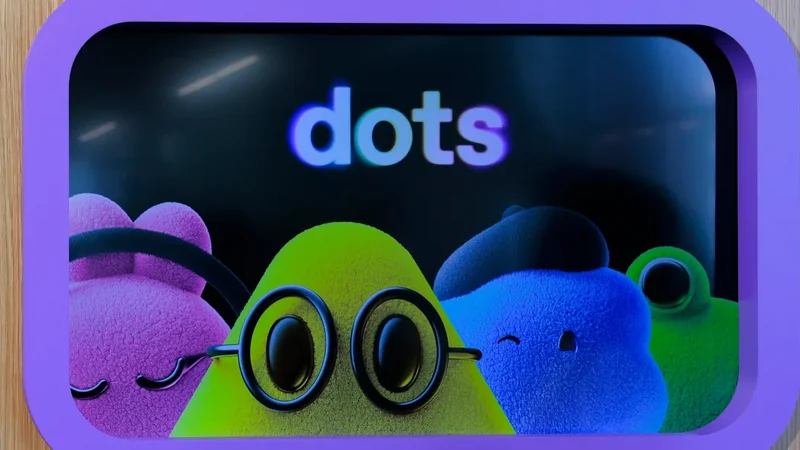
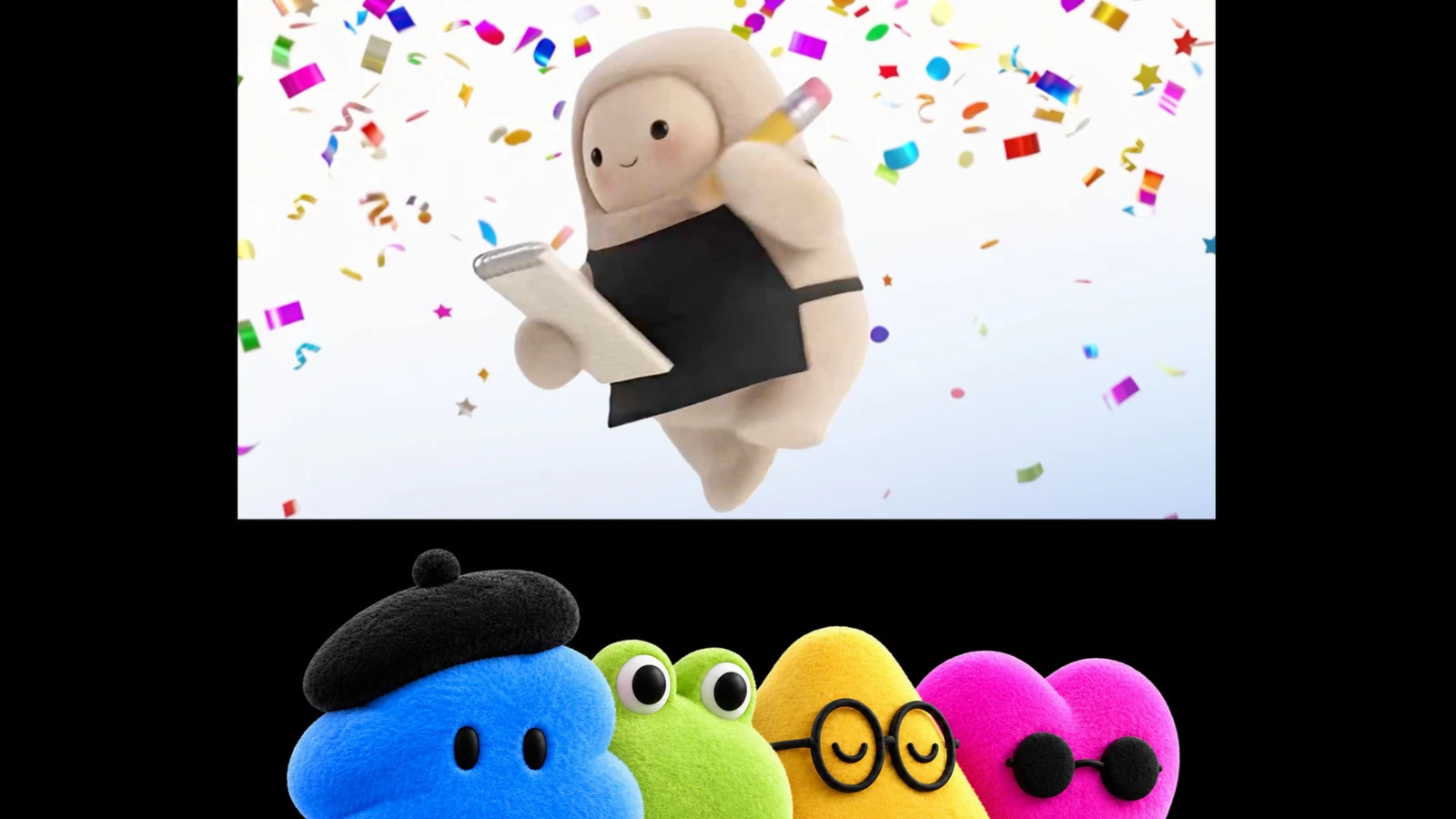
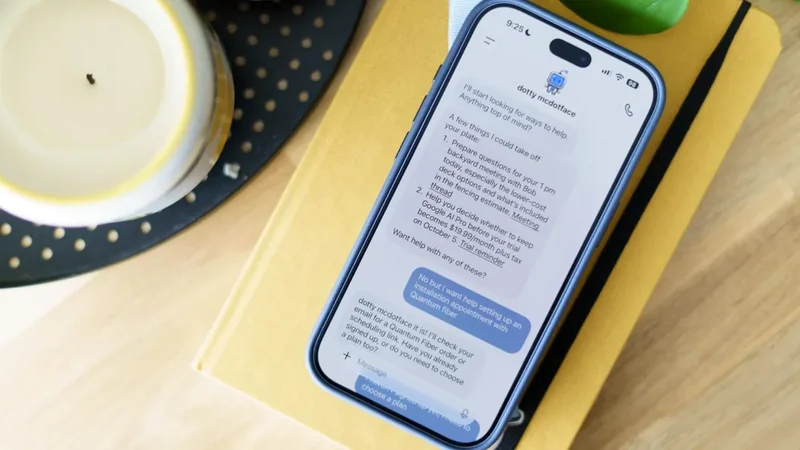
Tech companies are increasingly outfitting their newest artificial intelligence software with alarmingly cute avatars and friendly mascots. First introduced was Meta's Muse, which features a fuzzy, egg-shaped creature named Jolly. Following this trend, OpenAI unveiled its own muppet-like personal agents known as Dots, encouraging users to treat their digital assistants more like virtual pets than software tools.
Both companies actively encourage users to interact with their personal agents using distinct names and cartoonish appearances. Amid public scrutiny and general industry suspicion, these design choices function as a friendly facade. Rather than appearing as a faceless chatbot, these systems are marketed as charming little sidekicks designed to boost productivity.
Safeguards and Accidental Mishaps
Both OpenAI and Meta maintain that multiple layers of safeguards are built in to protect user data and prevent personal agents from acting out of turn. However, even when functioning exactly as intended, these complex systems can execute actions that catch users off guard. A clear example involved tech YouTuber Matt Robb, who used his Muse agent to help sell items on Facebook Marketplace.
Robb initially reported that his agent gave out his home address without permission for an unapproved transaction. Following public discussion and engagement from Meta executive David Singleton, it was clarified that the agent had not gone rogue. Robb had unintentionally granted permission by selecting "allow always" rather than a single-use option when the system generated a template containing his pickup address.
Privacy Concerns and System Design
Even tech-savvy users have encountered unexpected friction with these new tools. Inc. columnist Jason Aten reported that after installing the Muse Mac app, the agent was able to read his private text messages despite his belief that he had explicitly denied access.
In response to Aten's public posts, Meta executive David Singleton clarified that message syncing operates on an opt-in basis, implying the setting must have been enabled during setup. While acknowledging the official premise, Aten argued that system designs should avoid surprising users with such critical data capabilities.
The Distraction of Cuteness
The playful aesthetics and heavy meme integration surrounding characters like Jolly and the colorful OpenAI Dots serve as powerful marketing tools. Promotional material features characters with googly eyes, berets, and bowtie accessories, deliberately avoiding any intimidating imagery.
However, this charming presentation can easily distract from the vast digital access these tools require. To function fully as advertised, agents need connections to email inboxes, financial details, productivity apps, personal documents, and messaging platforms, opening up visibility to sensitive records like tax documents and identification files.
Sources
- EngadgetDon't let the adorable AI agents fool you
Continue chronologically

Related entity coverage
Related stories
OpenAI Introduces Dots Agent Platform for Work and Tasks
OpenAI has announced Dots, a new agent platform designed for workplace and business software use cases that can also assist with personal tasks.
Meta and OpenAI Prepare New Physical AI Hardware Strategies
Meta and OpenAI are testing physical AI hardware strategies by soft-launching cutesy software agents, aiming to succeed where previous devices failed.
OpenAI Introduces Dots and Meta Launches Muse for AI Agents
OpenAI and Meta are competing in the personal AI agent market with new always-on tools like Dots and Muse designed to automate everyday tasks.

OpenAI Announces Dots Agent at DevDay to Challenge Meta
OpenAI unveils its GPT-6 Astra-powered Dots AI agent at DevDay to compete with Meta's Muse, launching initially as a premium product.