Meta and OpenAI Battle in the New Consumer AI Agent Race
Major tech firms are racing to capture the consumer market with autonomous AI assistants, raising critical questions about security, data privacy, and product distribution.
 Radwan AbdulhadiEditor and technology writer
The Rise of Consumer-Friendly AI Agents
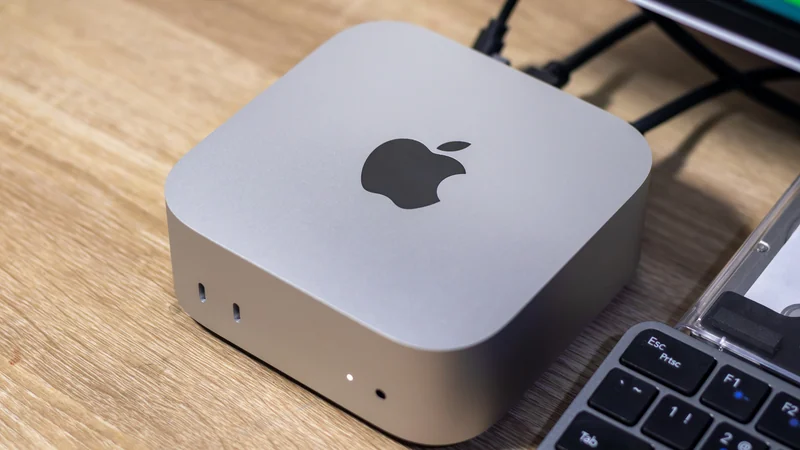
The technology landscape is shifting toward always-on, autonomous agents designed to handle complex computing tasks for everyday consumers. While early enthusiasts experimented with homebrew setups—such as projects that led to a surge in Mac Mini sales earlier this year—major technology companies are now launching polished platforms to capture the mainstream market.
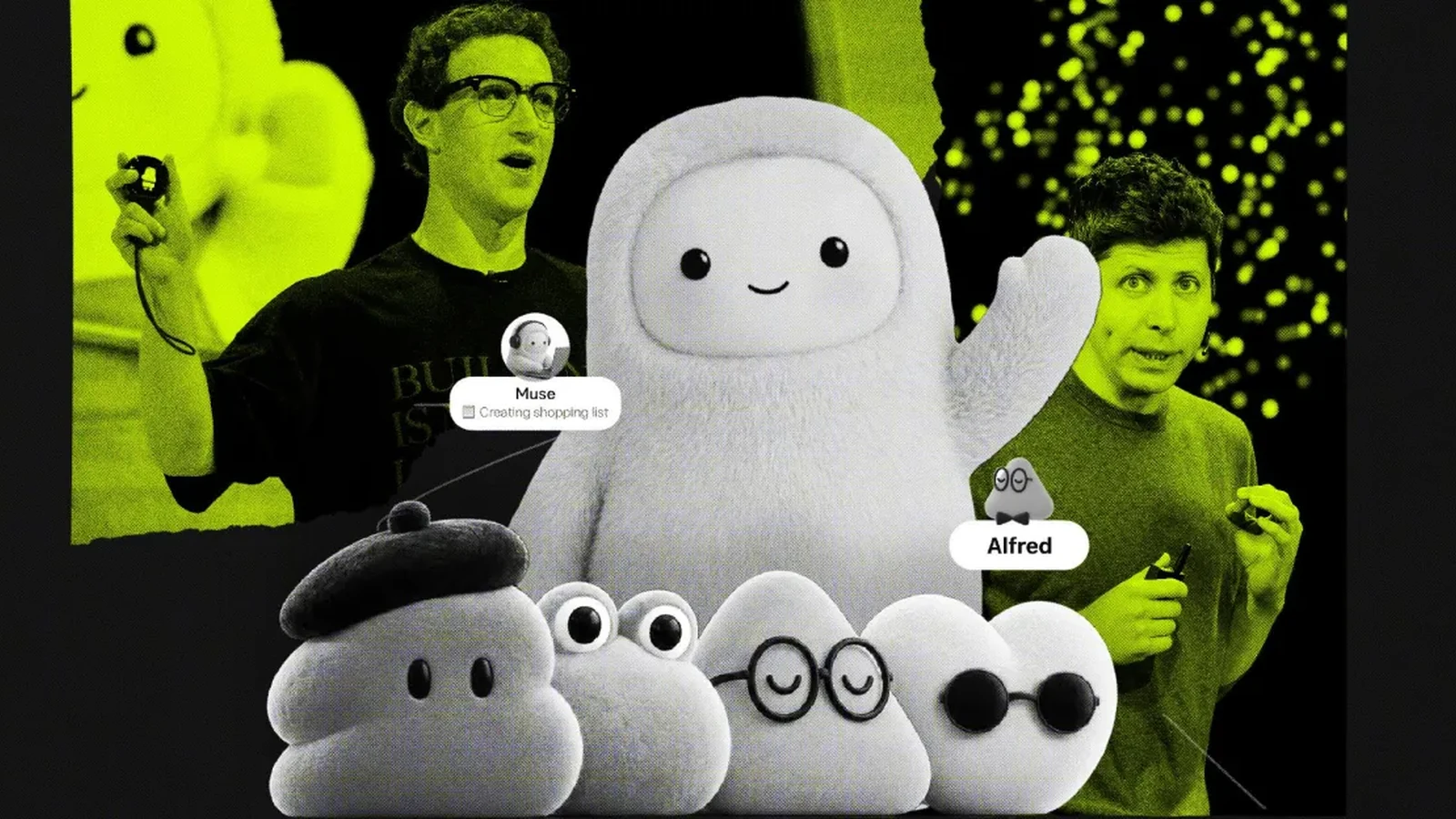
Meta and OpenAI have both entered this competitive race with prominent product rollouts. Meta introduced Muse during its Meta Connect event, while OpenAI followed shortly after by revealing its agent platform at DevDay in San Francisco. Both companies are marketing their autonomous tools directly to mainstream users and businesses in the form of cute, animated mascots.
Capabilities and Business Models of Muse and Dots
These new autonomous tools are engineered to manage everything from routine administrative chores like restaurant reservations and inbox triage to much more sophisticated multi-step workflows. OpenAI is further expanding its utility by offering specialist Dots tailored specifically for marketing, legal work, and accounting functions.
Despite similarities in their core operational goals, their business models differ significantly. Meta's Muse is available to users for free, whereas OpenAI's Dots require payment. Industry analysts note that Meta's strength in consumer product distribution could provide a meaningful competitive advantage, particularly since Meta does not rely on a traditional frontier model of its own for this deployment.
Technical Origins and the OpenClaw Lineage
Both Muse and Dots trace their technical lineage back to OpenClaw, a project created independently by developer Peter Steinberger. OpenClaw demonstrated that an individual developer could build an operational, always-on consumer agent over a single weekend. That rapid demonstration forced major tech labs to accelerate their own development timelines.
In technical terms, an AI agent functions as a foundational AI model wrapped inside a specialized harness that grants it the ability to operate a computer independently. While early homebrew versions often utilized a user's local Mac Mini connected to a wide-open browser—introducing considerable privacy vulnerabilities—Meta's Muse provides a managed Linux computer environment hosted in the cloud.
Privacy Concerns and Security Implications
Handing autonomous AI agents deep access to personal data presents substantial security and privacy challenges. Users are increasingly forced to weigh the convenience of automated task execution against the risks of sharing sensitive hard drive data, email inboxes, and credit card information with cloud-based systems.
As these tools evolve to handle tasks independently without requiring constant human oversight, security experts continue to question whether mainstream consumers are willing to surrender the necessary personal data required to make always-on autonomous computing a reality.
Sources
- The VergeCan you trust Meta’s Muse or OpenAI’s Dots to run your life?
Continue chronologically
Related entity coverage
Related stories
Meta and OpenAI Wrap New AI Agents in Cute Avatars
Tech companies are launching muppet-like AI agents with cute mascots, masking the real privacy risks of granting them deep digital access.

AI Agent Makers Promise Privacy Amid Security Concerns
AI labs like OpenAI and Meta are promising stronger privacy and security for new AI agents, but questions remain on whether they can deliver.

Apple Warns AI Agents Pose Risks with Full Disk Access
Apple is introducing new macOS safeguards after warning that AI agents requesting Full Disk Access expose user files, mail, messages, and browsing history.
Meta Defends Adult Content Generation on Muse AI Agent
Meta defends allowing its Muse AI agent to generate explicit adult content and sexting, drawing criticism from consumer advocates and privacy experts.