LG MRGB95B Review: RGB LED TV Falls Short of OLED
LG's new RGB LED television offers impressive brightness and vibrant color capabilities, but faces significant performance hurdles that make its $3,600 price tag difficult to justify.
 Radwan AbdulhadiEditor and technology writer
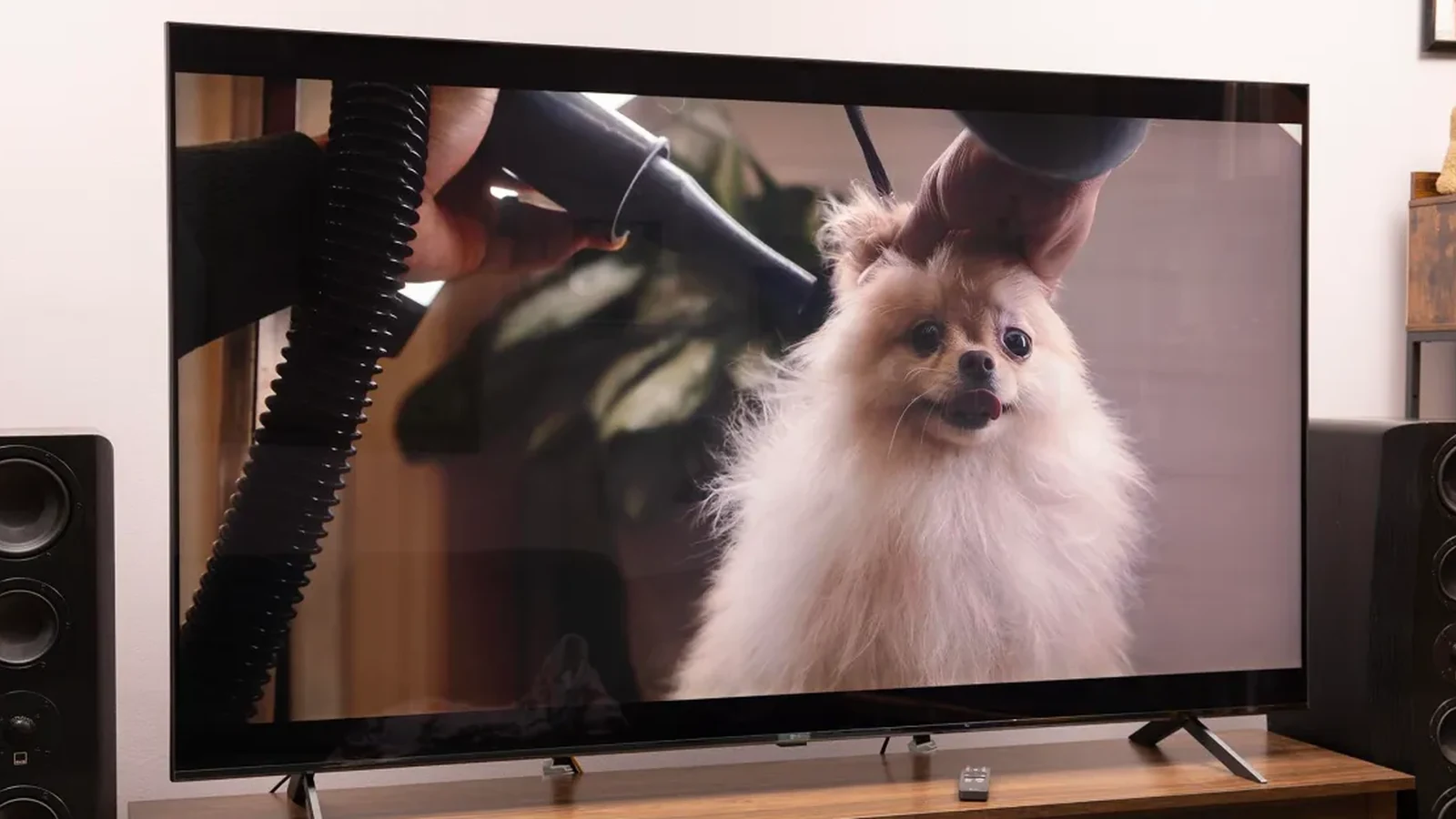
Introduction to LG's RGB LED Technology
When it comes to television manufacturing, the LG name has long been synonymous with OLED screens, continually leading Samsung and Sony as the top OLED manufacturer. However, the market has expanded to include RGB LED technology, with nearly every major company releasing models utilizing the new approach. Among these is the [LG MRGB95B RGB LED TV], which is currently priced at [$3,600 at LG] and [$3,600 at Best Buy].
The MRGB95B is available in three sizes, with the 75-inch option serving as the smallest variant in the lineup. The television features four HDMI 2.1 ports and supports Dolby Vision, though it lacks support for Dolby Vision 2 and HDR10+. It also adopts the Magic Remote design introduced by LG previously, featuring a more traditional shape compared to older curved wand models. For software, the television operates on webOS, which provides fast navigation and supports major streaming applications, alongside a suite of gaming features including VRR, ALLM, Game Optimizer, and G-Sync compatibility.
Display Performance and Brightness
RGB LED televisions utilize zones of individual red, green, and blue LEDs as backlights, differing from traditional white or blue LED fields that rely on color filters or quantum dots. This configuration allows the backlight to produce color directly based on onscreen requirements, resulting in higher color brightness and a wider color gamut. The LG 75-inch model covers 100 percent of the P3 color gamut utilized for films and nearly 90 percent of the larger BT.2020 color area.
In testing conditions, the MRGB95B demonstrated exceptional peak brightness, measuring up to 4,011 nits in HDR Filmmaker mode. This high luminance allows the display to maintain an impactful image in bright, sunlit rooms. However, the display struggles with near-black shadow details, and bright elements appearing within dark sections of the screen exhibit noticeable blooming compared to competing RGB LED models.
Drawbacks in Color Accuracy and Reflections
Despite its vibrant color output, the television exhibits visible out-of-the-box accuracy issues, even when operating in Filmmaker mode. The display tends to lean toward a light blue tint, affecting white clouds and causing skin tones to appear cooler than intended. Furthermore, the glossy screen coating is highly reflective, causing indoor lighting sources such as lamps or ceiling lights to create distracting reflections and rainbow artifacts across darker scenes.
Viewing angles remain an inherent challenge for LED displays, including RGB variants. When viewers sit even moderately off-axis, colors quickly become washed out and lose their vibrancy. Additional scrutiny has also been directed at LG software platforms following reports regarding security vulnerabilities and audio recording features, though LG has denied these allegations.
Market Comparison and OLED Alternatives
When evaluated against alternative products in the marketplace, the MRGB95B faces stiff competition. Competitors such as the Sony Bravia 7 II offer better color accuracy and reflection handling at a significantly lower price point, while the Hisense UR9 delivers comparable performance for less investment.
The strongest competition for the MRGB95B ultimately comes from within LG's own product catalog. OLED televisions such as the LG G6 are priced only a few hundred dollars higher than the RGB LED model. While OLED panels cannot match the extreme peak brightness of the MRGB95B, their ability to turn off light at the individual pixel level delivers remarkable contrast, perfect black levels, zero blooming, superior color accuracy, and wider viewing angles.
Sources
- The VergeLG’s RGB LED TV is good for certain situations, but an OLED is better
Continue chronologically


Related stories
Smart TVs Track Your Viewing Habits With Automatic Content Recognition
Smart TVs monitor your viewing habits every second using Automatic Content Recognition technology, but you can limit this data collection.

Samsung Galaxy Tab S12+, Nothing Deals, and LG Sales
Explore the latest tech deals featuring free Amazon gift cards with the Samsung Galaxy Tab S12+, discounts on Nothing gear, and savings on LG TVs.
LG C6 OLED TV Drops by $400 in Early Black Friday Deal
LG has launched its early Black Friday sale, offering significant discounts on the C6 OLED TV and various soundbars through November 1st.
Android App Deals and Tech Sales Lead Monday's Roundup
Explore Monday's top Google Play app deals alongside hardware offers, including discounts on Samsung Galaxy Tab S12+, LG TVs, and Nothing products.