Synology NAS Hit by Ransomware via 18-Month-Old Exploit
A technically proficient user experienced a ransomware attack on their internet-exposed Synology NAS due to outdated security patches and a neglected remote code execution vulnerability.
 Radwan AbdulhadiEditor and technology writer
A Catastrophic Series of Unforced Errors
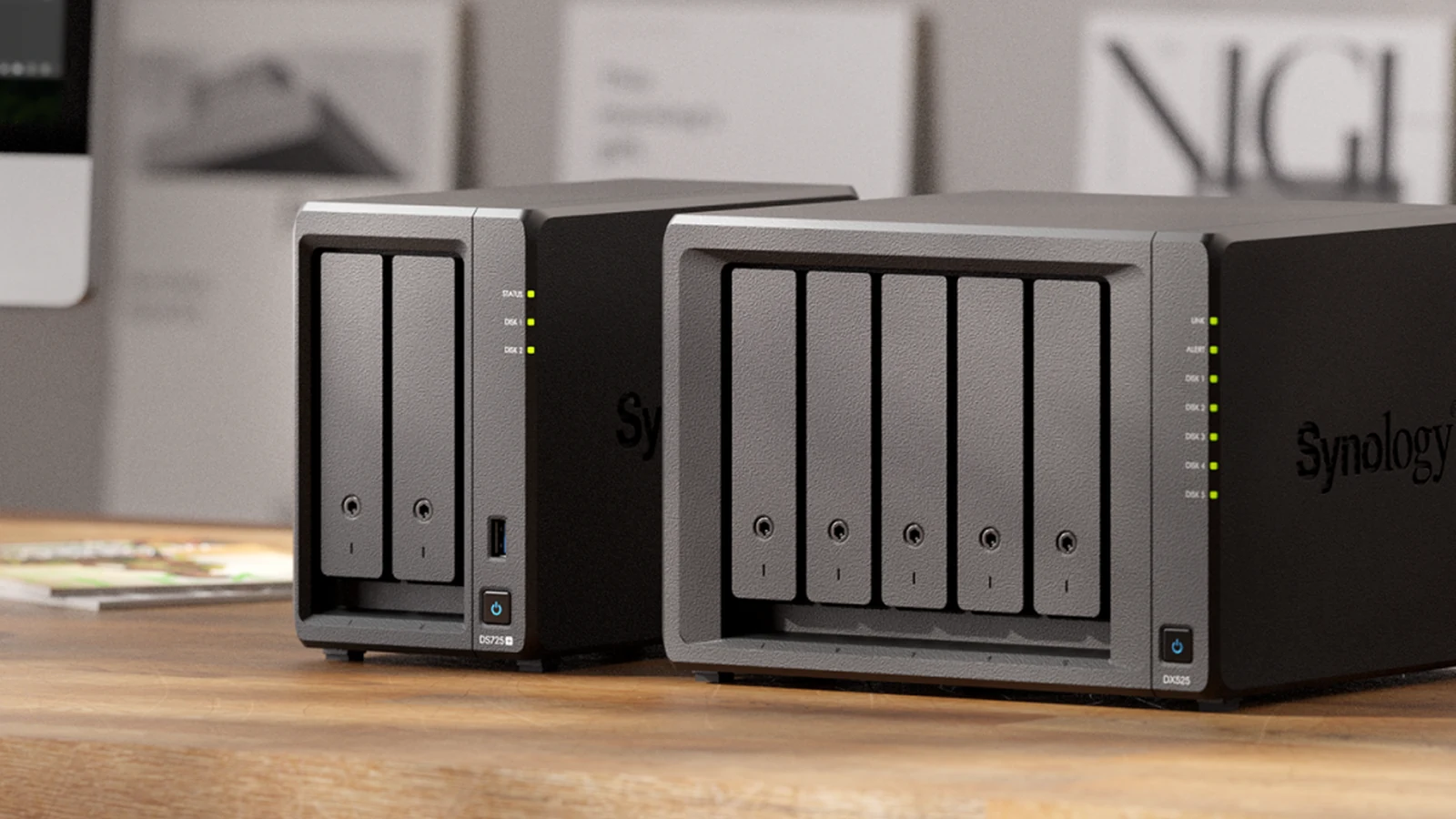
Systems administrators frequently warn others about lax security configurations, but they can occasionally fall victim to similar oversights. As reported by <a href="https://www.tomshardware.com/tech-industry/cyber-security/tech-whizzs-internet-accessible-synology-nas-gets-bit-by-ransomware-attack-from-18-month-old-remote-code-execution-flaw-security-updates-neglected-in-a-series-of-catastrophic-errors">Tom's Hardware</a>, a Reddit user named NakamuraHwang suffered a major security breach when their Synology DS918+ NAS had its files <a href="https://www.reddit.com/r/synology/comments/1xhqgov/well_it_finally_happened_my_first_real_ransomware/">encrypted by a ransomware attack</a> following a series of unforced operational errors.
Despite possessing clear technical proficiency, the administrator left two critical vulnerabilities open: the unit's web interface was directly exposed to the internet, and the software running on the device was roughly 18 months out of date regarding security patches. These combined missteps allowed malicious actors to compromise the system.
Investigation and Backup Recovery
Fortunately, the user maintained a strict 3-2-1 backup setup, meaning no actual data was lost in the incident. To investigate the breach, the administrator removed the hard disks and attached them to a Proxmox machine. Because Synology's DiskStation Manager (DSM) operating system utilizes underlying mdraid technology, the drives could be safely mounted and examined on a separate hardware box.
An examination of the logs and internal operating system files indicated that the ransomware attack was executed by weaponizing CVE-2024-10441, a remote code execution vulnerability that had been publicly disclosed a year and a half prior. Industry experts note that exposing storage devices directly to the public internet without an intermediate protection layer—such as a virtual private network or an SSH tunnel—remains a major risk.
Update Policies and Complications
While Synology published advisories regarding the exploit, the device's behavior surrounding updates added layers of confusion. Multiple user comments across community forums point out that the DSM user interface can sometimes indicate that a system is up to date even when critical security updates require manual installation. According to official product manuals, automatic updates are standard on units manufactured from 2025 onward, leaving older models reliant on manual configuration.
Furthermore, critics highlight that Synology lacks a direct email notification channel to warn active customers of critical vulnerabilities. Such notifications could help regular consumers who purchase smaller hardware units stay informed without needing to actively track security bulletins. Additionally, individual package updates often must be handled separately from core operating system patches.
Broader Industry Implications
The incident serves as a stark reminder of the dangers associated with complacency in home lab and small business environments. Even highly skilled developers and administrators can encounter catastrophic failures when routine maintenance schedules lapse. For readers interested in ongoing coverage of similar vulnerabilities and threat vectors, additional articles can be found via <a href="https://www.tomshardware.com/tag/security">security</a> coverage archives.
Sources
- Tom's HardwareTech whizz's internet-accessible Synology NAS gets bit by ransomware attack from 18-month-old remote code execution flaw — security updates neglected in a series of catastrophic errors
Continue chronologically


Related stories
Synology Issues Urgent Warning Over C3RB3R Ransomware Attacks
Synology urges customers to immediately update NAS devices running outdated DSM software following a surge in active C3RB3R ransomware attacks.
Nintendo Switch 2 Discounted to $469 in Rare Sale
The Nintendo Switch 2 portable gaming console is currently discounted to $469.99, offering a $30 savings off its recent $499 price tag.

Tom's Hardware Details Vera CPUs and Agentic AI Benchmarks
Explore the latest Tom's Hardware coverage including Nvidia Vera CPUs on Oracle clusters, agentic AI benchmarks, and LLM primers.

Nvidia Vera CPU Benchmarked Against AMD and Intel
Nvidia's Vera data center CPU is benchmarked against AMD EPYC Turin and Intel Granite Rapids-AP, showcasing strong Python performance and bandwidth.