Why Opportunity Charging is Winning as Robot Fleets Scale
In a recent discussion on [The Robot Report Podcast], WiBotic CEO and co-founder Ben Watters explained why opportunity charging is becoming essential for scaling autonomous robot fleets.
 Radwan AbdulhadiEditor and technology writer
The Evolution of Fleet Energy Management
As autonomous mobile robot deployments continue to expand across various industries, maintaining operational efficiency has become a critical challenge. Closing the loop of autonomy requires much more than just a sophisticated hardware design; it demands reliable power strategies that keep machines moving without constant manual intervention. In Episode 266 of [The Robot Report Podcast], guest Ben Watters addressed these very challenges.
Ben Watters serves as the CEO and co-founder of [company], an organization that specializes in developing wireless charging solutions and fleet-wide battery management software. These technologies are specifically engineered to support industrial mobile platforms of all shapes and sizes, ensuring they can operate seamlessly within complex industrial environments.
Background of the Leadership
The expertise behind the company's energy management strategies is rooted in advanced academic and engineering research. Ben Watters holds a Ph.D. in Electrical Engineering from the University of Washington, where his research focused on wireless power technologies designed for implanted devices. In addition to his doctoral studies, he earned a bachelor's degree in electrical engineering and physics from Columbia University.
This foundational background in wireless power transmission heavily influences the engineering approach taken by [company]. By applying principles originally explored for medical and sensitive electronics to industrial automation, the organization has built systems capable of handling the demanding power profiles of modern commercial robots.
The Core Mission and Technology
The primary mission driving [company] is to energize businesses utilizing autonomous systems so they can grow and scale without limitation. Alongside this technical goal, the company emphasizes creating a collaborative workplace filled with passionate individuals dedicated to effective leadership and innovation.
The patented technology provided by [company] offers robots greater freedom to charge continuously throughout their normal daily workflows. Listeners can hear more about these concepts by checking out [Why Opportunity Charging Is Winning as Robot Fleets Scale] to understand how flexible power access transforms fleet economics.
Applications Across Robotic Form Factors
Modern industrial and commercial environments deploy a wide variety of robotic form factors, each with distinct power consumption patterns. From autonomous mobile robots and delivery drones to industrial floor scrubbers and humanoid platforms, power requirements vary drastically across platforms.
Solutions provided by [company] are designed to accommodate this broad spectrum of machinery, making wireless power transfer simple, seamless, and scalable regardless of the vehicle type. More information regarding these integrated energy management offerings can be found by visiting http://www.wibotic.com/robotreport directly.
Operational Impact on Fleet Uptime
Implementing reliable wireless charging and automated fleet energy management yields direct benefits for end users. By eliminating the need for manual plug-in charging routines, facilities can significantly increase overall equipment uptime, improve return on investment metrics, and enhance workplace safety.
As robot fleets scale from small pilot programs to hundreds of active units, managing battery health and charging schedules manually becomes completely unsustainable. Automated opportunity charging ensures that deployed machines remain charged and ready for action during peak operational hours.
Sources
- The Robot ReportWhy opportunity charging is winning as robot fleets scale
Continue chronologically
Related stories
Why Humanoid Robot Demos Still Fail the Generalization Test
Explore why impressive humanoid robot demonstrations often fail to generalize, and discover how better data and human judgment help bridge the gap.
Ice Sheet Expansion May Have Started 2,000 Years Ago
New research shows the Laurentide Ice Sheet began re-expanding 2,000 years ago before human-caused climate warming reversed it around 1960.

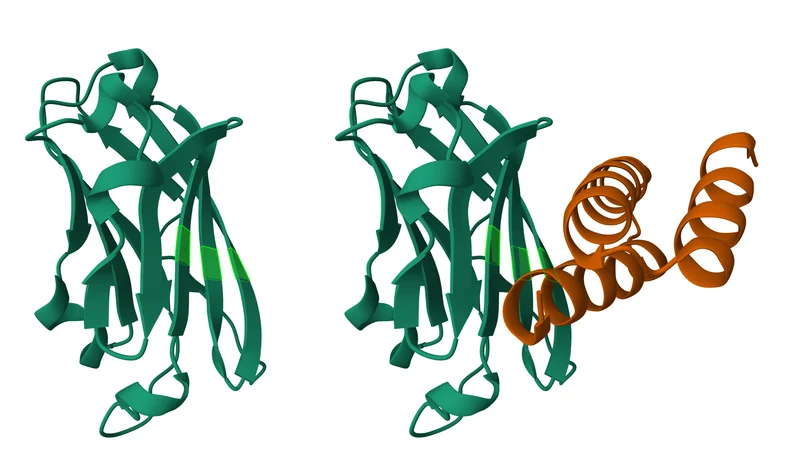
NVIDIA and UW Introduce RFD4-Proteina for Programmable Protein Design
Explore RFD4-Proteina, a new BioNeMo open model co-developed by NVIDIA and the University of Washington to streamline programmable protein design.
Hello Robot and A&K Robotics to Discuss Indoor Navigation
Aaron Edsinger and Matt Anderson will speak at RoboBusiness 2026 on indoor navigation challenges for consumer-facing and crowded spaces.