Robot Vacuums Face Major Privacy and Security Scrutiny
Modern robot vacuums offer advanced cleaning features, but their microphones, cameras, and cloud connectivity pose significant privacy and security challenges for users.
 Radwan AbdulhadiEditor and technology writer
The Hidden Data Collection in Modern Cleaning Appliances
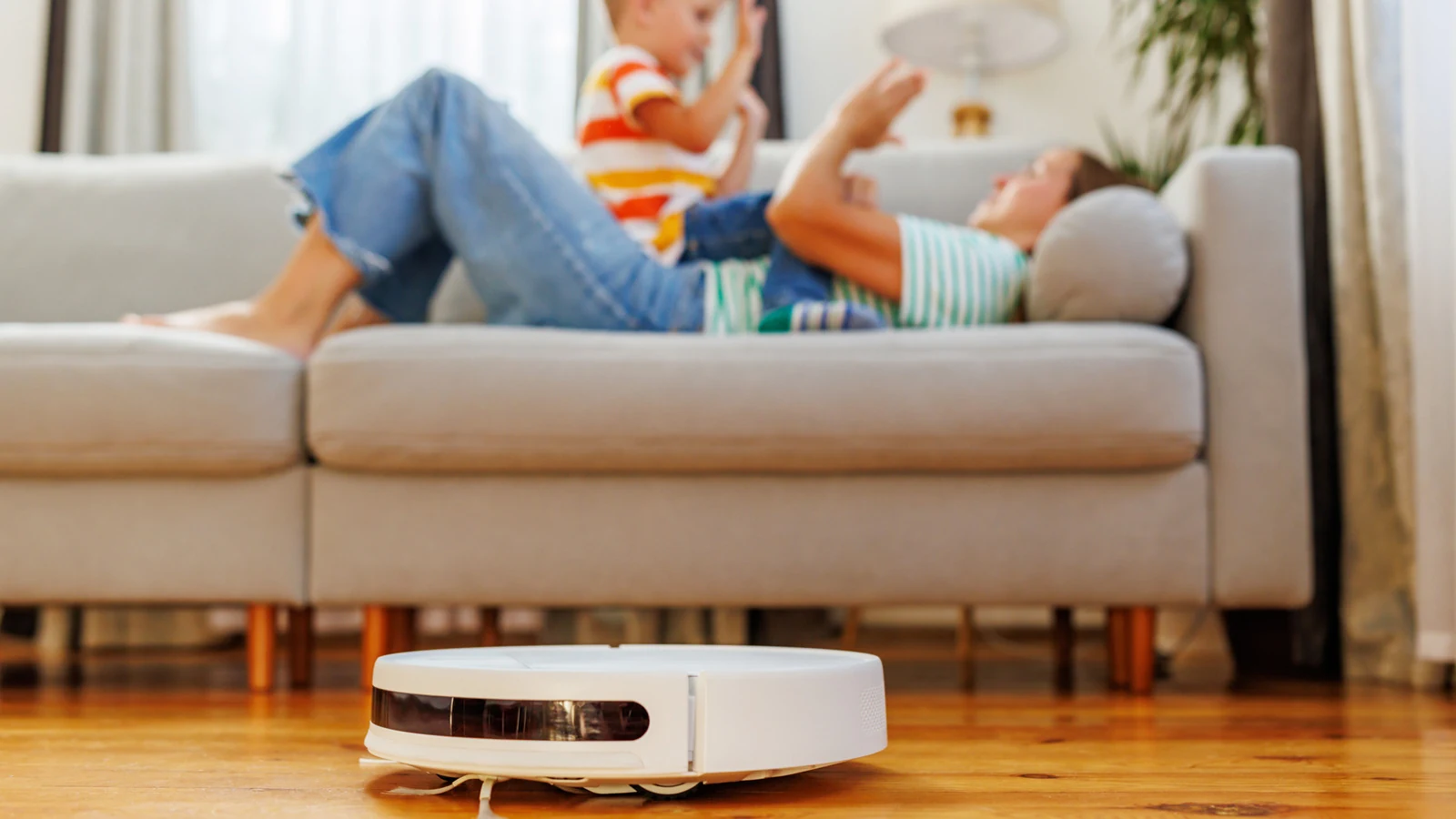
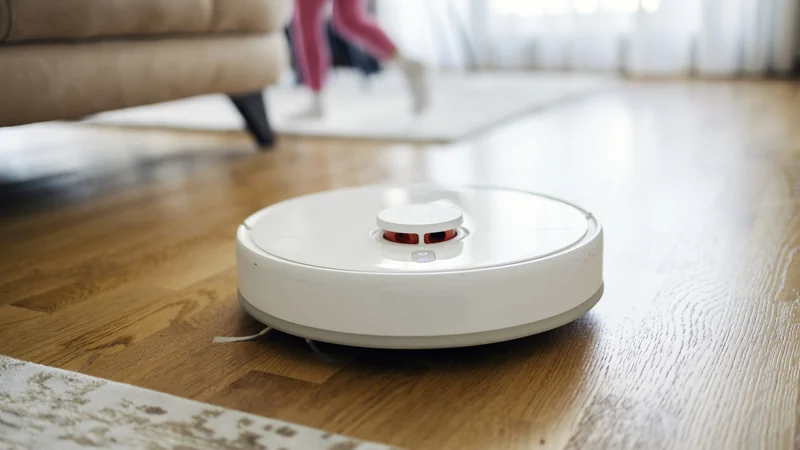
Depending on the model, a robot vacuum cleaner can potentially generate floor maps, record cleaning histories, watch you take a bathroom break or record your private conversations. Top vacuum models with the most features have various ways to process what is happening inside your home, including microphones and remote video viewing capabilities.
The amount of information these devices collect and where it goes depends heavily on the specific product. While generating floor maps or video feeds provides useful functionality, these features are also capable of revealing information that users would rather keep private from third parties or complete strangers.
Cloud Connectivity and Manufacturer Data Transmission
Cloud connectivity introduces another problem for smart home device owners. Robot vacuums that permit remote progress checks while away from home typically communicate through the manufacturer's servers, creating additional channels for data transmission.
A shiny new robot vacuum may send information to its manufacturer throughout everyday cleaning routines. This transmitted data can include cleaning activity, device status, floor maps, and detected objects.
According to iRobot's privacy policy, connected models may send significantly more data than basic floor maps. This includes specific room names, floor types, detected objects, robot movements, and surrounding Wi-Fi network details, creating a steady stream of outgoing household information.
Real-World Security Flaws and Backend Vulnerabilities
The privacy risks associated with automated cleaning devices are not merely hypothetical. A notable controversy arose when a user attempting to remotely control his DJI Romo vacuum accidentally gained access to roughly 7,000 robot vacuum cleaners across the world.
According to DJI, the incident stemmed from a backend permission issue rather than an artificial intelligence failure. The server recognized legitimate customers but failed to properly restrict users strictly to their own devices, a security weakness that complex passwords alone cannot fix. DJI addressed the issue by issuing backend updates.
Evaluating Privacy-Friendly Alternatives
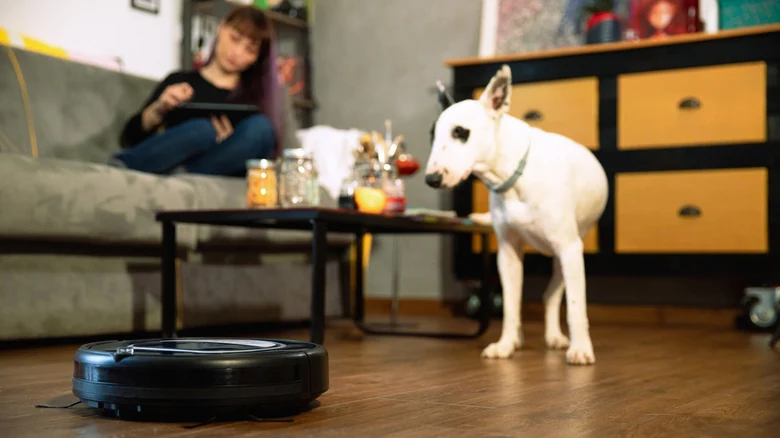
Finding a privacy-friendly device requires looking for manufacturers that minimize the amount of information leaving the home. Consumers are encouraged to carefully review privacy policies prior to purchase and examine whether a device utilizes on-device navigation and image processing.
For instance, companies like Matic employ a local-first approach where maps are streamed to the app over home local Wi-Fi and processing takes place directly on the robot. Under their policy, remote app usage transmits data through encrypted cloud connections only with explicit consent, limiting audio and video sharing to authorized support scenarios.
Best Practices for Protecting Home Privacy
Even when a manufacturer details strict privacy commitments in its policy documents, policies do not guarantee immunity from security vulnerabilities. Attackers may still find ways to access existing stored data.
Users already operating robot vacuum cleaners in their homes should establish strong passwords, enable two-factor authentication, and ensure device firmware is kept fully updated. Furthermore, disabling remote viewing or other connected features when they are not actively needed can help reduce potential exposure.
Sources
- EngadgetRobot vacuums have a major privacy problem you should be aware of
Continue chronologically


Related stories
Understanding the Real-World Limitations of Robot Vacuums
Robot vacuums offer convenience, but they are not universal cleaning solutions. Discover the key limitations regarding obstacles, maintenance, and performance.
A Guide to Cleaning Vinyl Records Across Budgets
Discover the right way to clean your vinyl records, from basic carbon fiber brushes and budget wet washing to advanced ultrasonic cleaners.

Why Your Apple AirPods' Battery Drains So Fast
Discover why your Apple AirPods battery drains quickly, how to check for charging issues, and practical steps to make them last longer.

How to Fix Apple AirPods When They Won't Connect to iPhone
Learn why your Apple AirPods fail to connect to your iPhone and discover quick troubleshooting steps, from checking batteries to resetting devices.