
Understanding the Real-World Limitations of Robot Vacuums
While robot vacuums promise time-saving convenience, they are not yet a complete replacement for manual cleaning due to structural and environmental hurdles.
 Radwan AbdulhadiEditor and technology writer
The Promise vs. Reality of Autonomous Cleaning
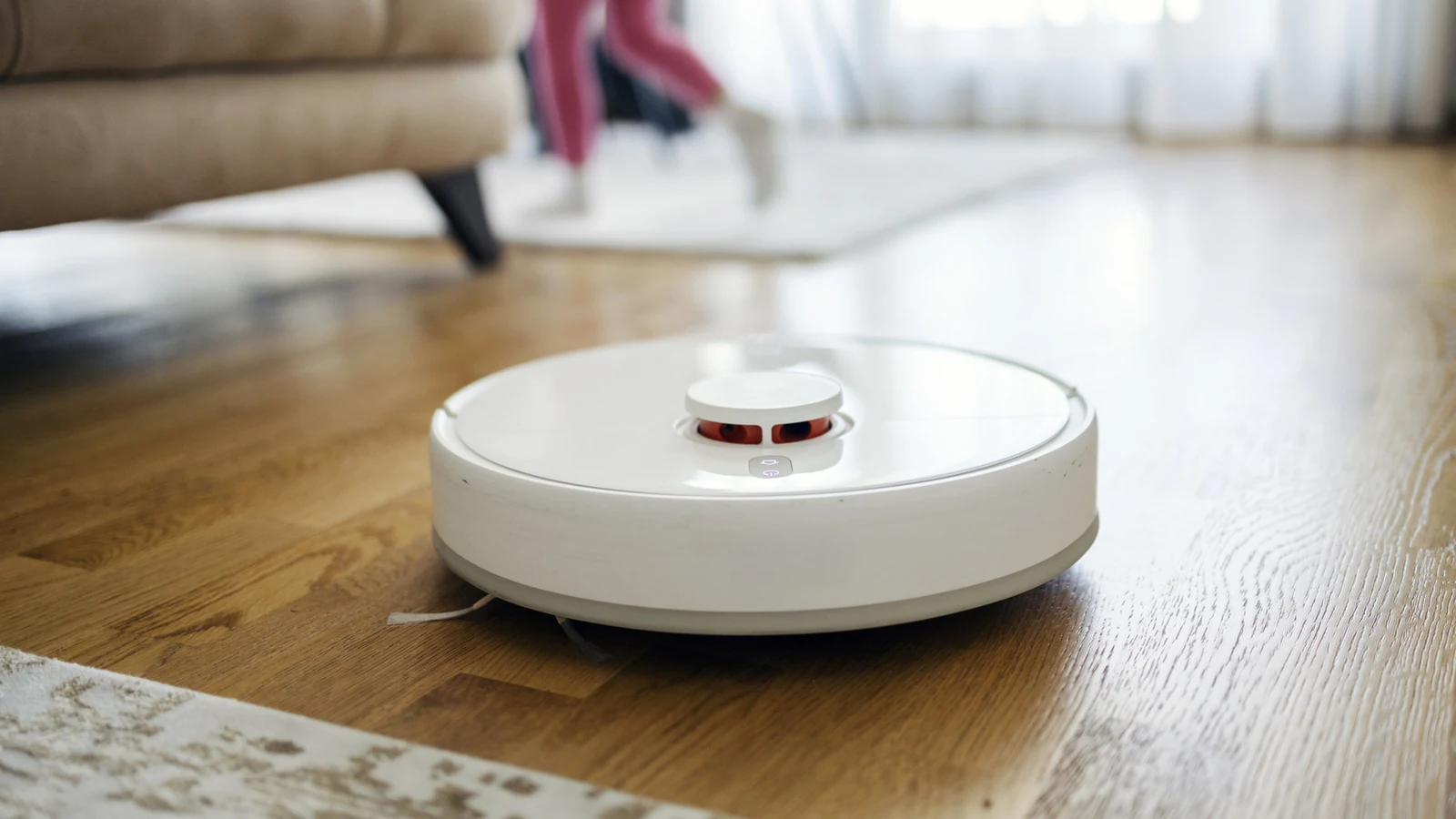
The prospect of delegating household chores to an autonomous device is highly appealing. For many, the decision to buy a robot vacuum cleaner is driven by the desire for improved quality of life and time efficiency. Once mapped, these devices can operate with minimal supervision, and some premium models even feature self-emptying bins or integrated mopping functionality.
However, it is vital to understand that a robot vacuum is not a direct substitute for a human cleaner. Despite the marketing, these devices encounter numerous limitations in real-world environments. Even as technology advances—with some companies like Roborock are showcasing prototype models that can climb stairs—most current-gen units cannot navigate complex structural features found in the average home.
Navigating Household Obstacles
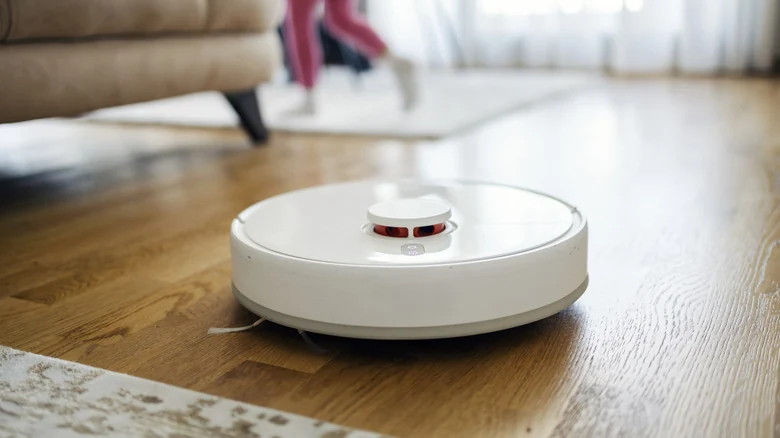
A primary constraint of robotics in the home is the lack of human dexterity. Unlike a person who can move chairs or maneuver a standard vacuum into tight gaps, most robots are restricted by their physical design. Floors must often be cleared of toys, debris, or charging cables before a machine begins its cycle to prevent entrapment.
Navigation capabilities vary significantly based on price and sensor technology. Basic entry-level units rely on physical collisions to change direction, which is inefficient. More advanced devices utilize LiDAR sensors and AI cameras for better spatial awareness. Even so, obstacles like loose cables or lightweight rugs remain problematic. While specialized hardware like the Roborock Saros Z70 is designed to manipulate its surroundings to handle such challenges, most models will simply stop when faced with complex tangles or barriers.
Cleaning Performance and Floor Surfaces
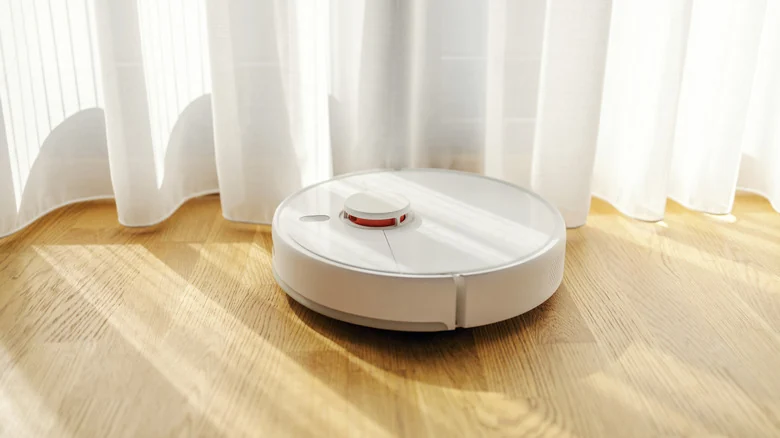
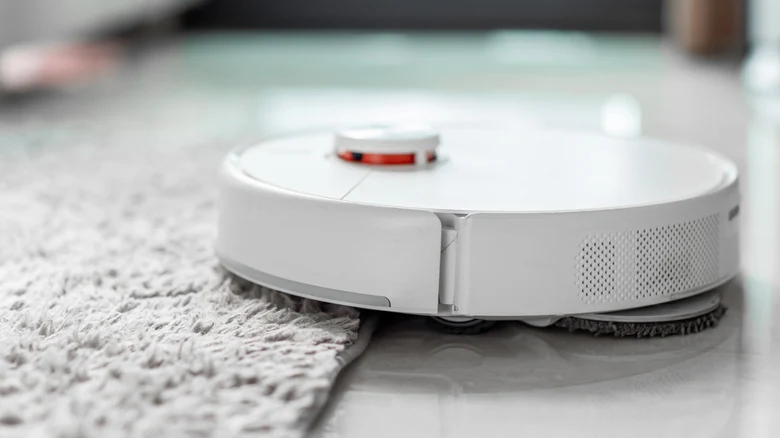
The efficacy of a robot vacuum is heavily dependent on the surface type. While these machines perform well on hardwood floors to pick up light crumbs, they often struggle with thick carpets that require deep agitation to remove embedded dirt. Furthermore, transitions between surfaces, such as moving from a tile floor onto a raised rug edge, can cause the vacuum to become physically stuck.
Design limitations also prevent thorough cleaning in certain zones. The circular chassis of most units makes it notoriously difficult to reach deep into corners, where dust tends to accumulate. While side brushes assist in pulling debris toward the center, users will likely still require a manual vacuum to address stairs, upholstery, and tight corner spots. Relying solely on advertised suction figures can be misleading, as brush design is often the deciding factor in how well a machine handles deep-set grime.
The Cost of Premium Features
The technological sophistication required to handle complex floor plans comes at a significant cost. Basic models can be found for under $100, but they often lack the robustness needed for long-term use. Mid-range units, such as the iRobot Roomba 105 Combo, offer convenient additions like self-emptying docks and mopping features, generally retailing around the $300 mark.
At the high end of the market, devices like the Dreame X60 Max Ultra Complete command prices near $1,700. These machines offer advanced utility, including hot water mop cleaning and retractable sensors for low-profile furniture navigation. Despite these high price tags, users must weigh whether the level of automation justifies the investment, especially since manual cleaning of stairs and upholstery will likely remain necessary.
Ongoing Maintenance Responsibilities
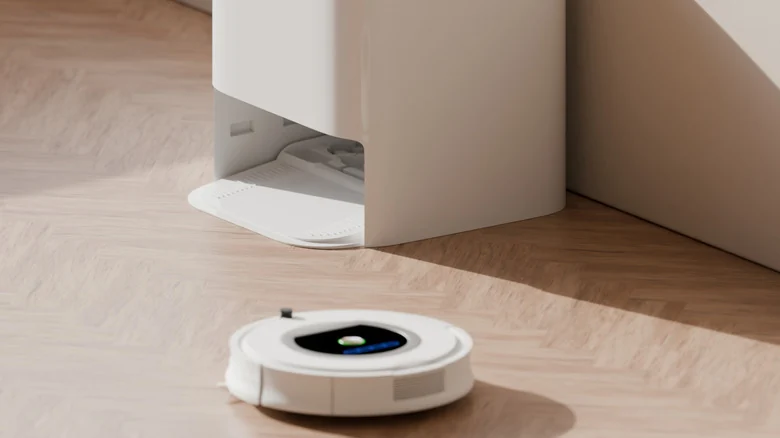
Automation does not equate to zero maintenance. Owners are responsible for the upkeep of brushes, filters, and dustbins. Hair and debris can easily wrap around internal components, requiring regular manual intervention to prevent performance degradation or mechanical failure. Even with a self-emptying dock, the primary collection vessel eventually requires attention, and mopping models necessitate manual tasks like refilling water tanks and cleaning pads. Ultimately, robot vacuums function best as a tool to supplement ongoing cleaning rather than as an absolute, hands-off solution for home maintenance.
Sources
- EngadgetWhat are the downsides of robot vacuums?