Mori Robot Lamp Brings a Camera to Home Decor
OKA’s Mori is a nearly 12-inch-tall mushroom-shaped lamp designed to act as a quiet, reactive companion rather than a general-purpose assistant. The robot uses cameras, microphones and animated movement to respond to people at home.
 Radwan AbdulhadiEditor and technology writer
A lamp with a face
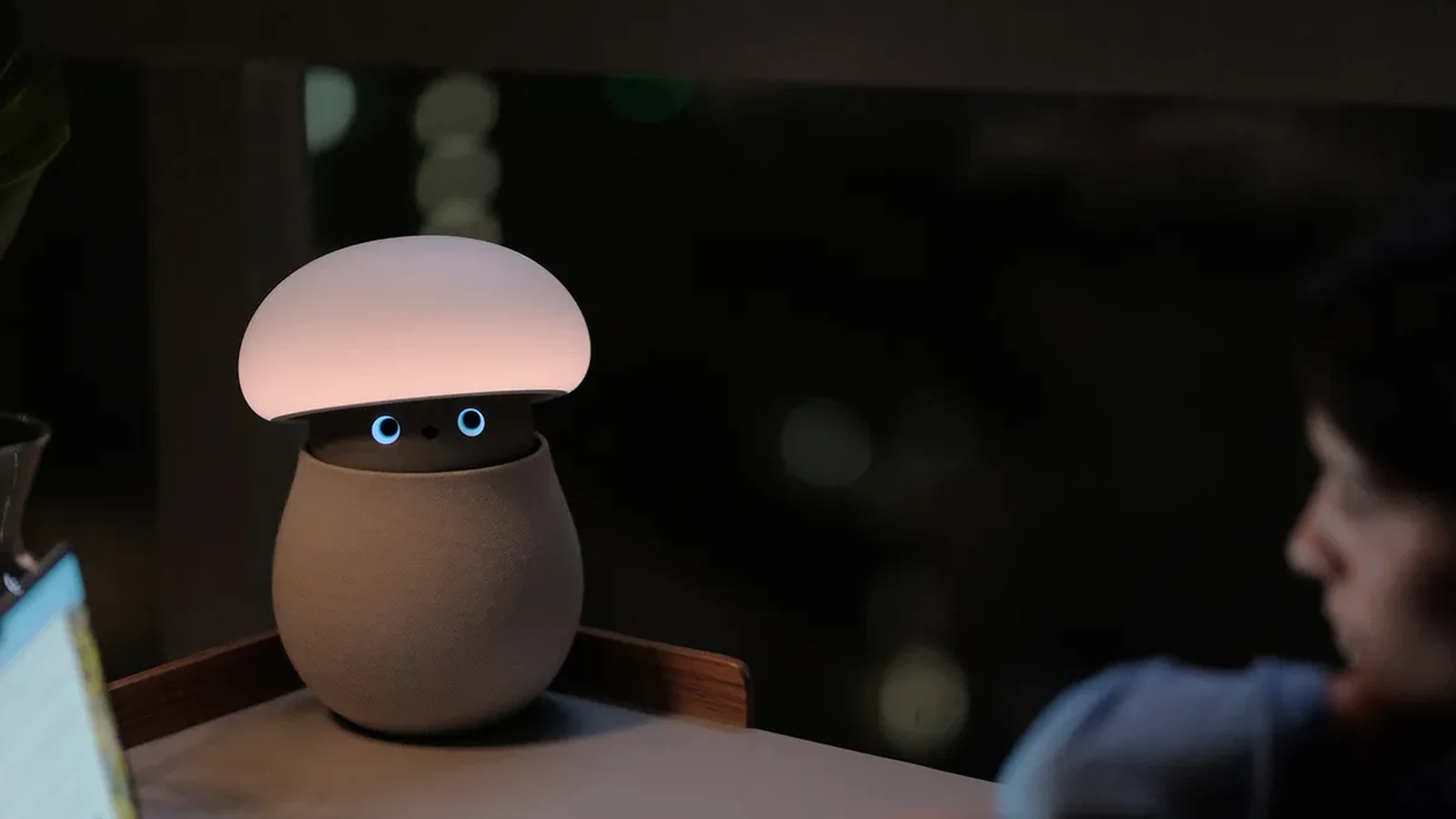
OKA, an experimental technology startup based in Cambridge, Massachusetts, and Shenzhen, China, has introduced Mori, a mushroom-shaped home robot that is designed to blend into a room as a lamp. The nearly 12-inch-tall device has a head that rises from its body when it detects activity, revealing round animated eyes and a diamond-shaped nose that houses a camera. According to the company, Mori is intended to create a more natural relationship between people and their surroundings.
In the scenario described by WIRED, Mori perks up when its microphone detects someone arriving home, then jiggles as it recognizes the person. As the person moves around the room, the robot follows them with its face and produces soft sounds compared by the publication to a bird and R2-D2. Touching Mori’s head makes its eyes and camera retract, returning it to lamp mode while it plays nature soundscapes.
Designed to react, not assist
Mori can glow in colors inspired by rain, forests, fire and wind while responding to movement. It can also guide users through a calming breathing session. The robot’s interactive features extend to entertainment: it may dance when music is playing or react to action on a television screen. If someone asks how an outfit looks, the company says Mori will respond with an excited jiggle rather than a conventional verbal answer.
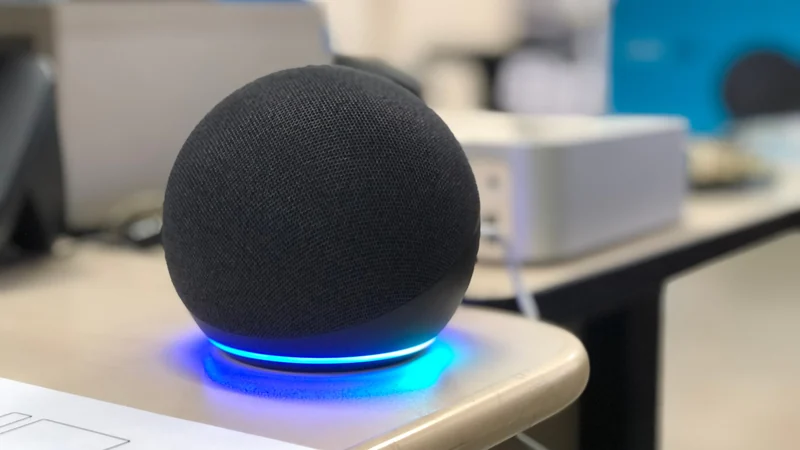
That limited role is deliberate. Unlike an Amazon Echo, Mori cannot respond to weather questions, control smart lights, or start music services through voice commands. Its breathing exercises are available without a subscription, but nature soundscapes require one. Without those features, WIRED describes Mori as essentially a lamp that can dance while its camera observes the room.
A high-priced experimental product
The Founder’s Edition is priced at $649 and is available from the product’s launch, although stock is limited to a few hundred units. That package includes a two-year warranty and two years of Mori’s subscription service. A standard edition is also available for $799, but that higher-priced version does not include the subscription features.
OKA CEO Hua Wang says the company wants to create five experimental “Artifacts” over its lifetime, with Mori as the first. Wang previously worked as a general manager at Meipai, a video-sharing app from Chinese phone brand Meitu, and cofounded Bondee, a social media app that briefly went viral in Asia before later shutting down.
Local processing and privacy controls
OKA says Mori uses built-in cameras and microphones to understand the context of a room and decide when to interact or remain quiet. The company calls this system “Attentive Intelligence.” Its AI algorithms are powered by multiple local large language models, which the company says allow Mori to process raw images and audio on the device before discarding those files.
The device can remember people and respond to them differently over time, while acting more shy around a guest. OKA says Mori will forget someone if it does not see them for a month. Facial feature data used to distinguish an owner from a guest is encrypted on the device and is not uploaded, according to the company. The camera turns off when Mori retracts into lamp mode, and the microphone turns off when the top of its head is double-tapped.
A connected robot with a narrow brief
Mori connects to Wi-Fi, although Wang says the internet connection is used only for firmware updates. The robot is battery-powered, so it can be moved between rooms or left plugged in. Its ability to recognize situations is meant to support quiet interventions: it might try to draw attention away from prolonged phone scrolling, but remain silent during a phone call or an argument.
Wang says Mori’s capabilities could expand. Future possibilities include connecting to Oura Ring data to identify when a user may need relaxing sounds, linking to Spotify for different content, or adding voice commands to start nature soundscapes. Those functions are not part of the product’s current feature set.
The appeal of a less capable companion
Wang argues that many existing home robots use machine-like forms that do not fit easily into personal environments. OKA instead designed Mori as a lamp with anthropomorphic features, aiming to make time at home feel better and reconnect users with nature. He says the product is intended for younger generations rather than specifically for children or older people, including those who may leave a television on to fill an empty room.
Chris Harrison, director of Carnegie Mellon University’s Future Interfaces Group, compares Mori with earlier interactive robot pets such as Sony’s Aibo dog from 1999. He says newer systems may become more meaningful because artificial intelligence can understand and react to human actions and emotions. When asked about Mori’s limited abilities, Harrison compares the experience to owning a goldfish or hamster: the value may come from the pleasure of interacting with a companion, rather than from what it can accomplish.
Sources
- WIREDMeet Mori, a Cute Robot Mushroom That Doesn’t Really Say (or Do) Anything
Continue chronologically
Related stories
Eiliko Maker Hires Security Firm After Robot Data Breach Report
Energize Lab responds to The Verge report on Eiliko robot security flaws, hiring an independent firm to review systems and delete user data.
Amazon Echo Dot Max Named Best Alexa Speaker in WIRED Review
Discover WIRED's top-tested Alexa speakers for 2026, including the new Echo Dot Max, updated pricing details, and performance highlights.
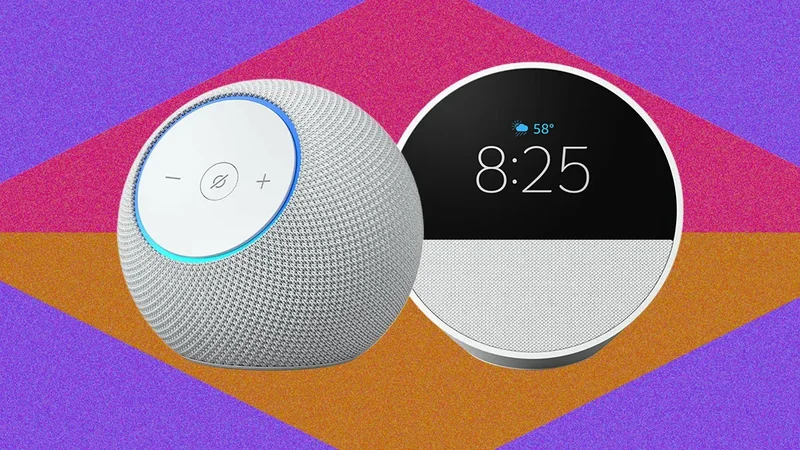
What Does the Yellow Light on Your Alexa Device Mean?
Learn what a flashing yellow light on your Amazon Echo means, how to clear your notifications, and how to customize your settings in the Alexa app.
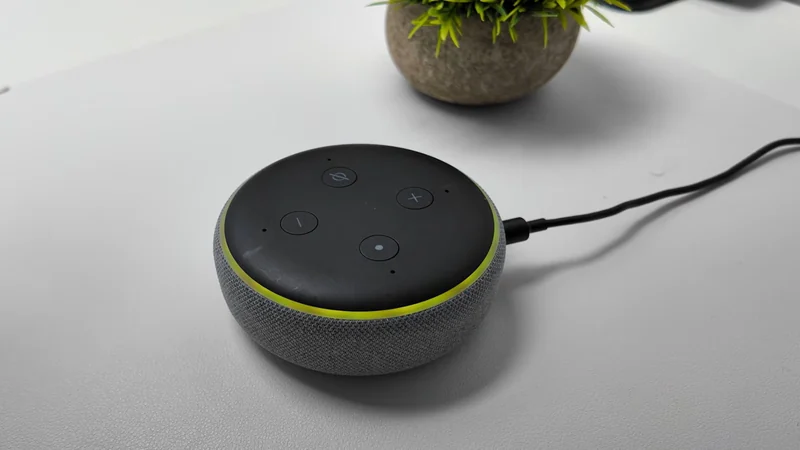
How to fix smart speaker voice recognition issues
Learn how to fix smart speaker misunderstanding issues with universal placement tips and specific settings adjustments for Alexa, Google Home, and Apple HomePod.