
Feather Builds the Android of Robotics for Software Developers
Founded by industry veterans, Feather Robotics is targeting software developers with a modular, customizable, and deployable hardware and software platform.
 Radwan AbdulhadiEditor and technology writer
Building an Accessible Hardware Platform
While robotics founders and investors continue to debate how far off a true general-purpose "ChatGPT moment" might be, Feather Robotics is taking a different route. Rather than tackling the lofty mission of building both a body and an unreleased foundational brain simultaneously like Tesla or Figure, the <a href="https://techcrunch.com/2026/09/24/meet-feather-the-startup-building-the-android-of-robotics-for-developers/">humanoid</a> startup provides hardware and software toolkits that developers can use today.
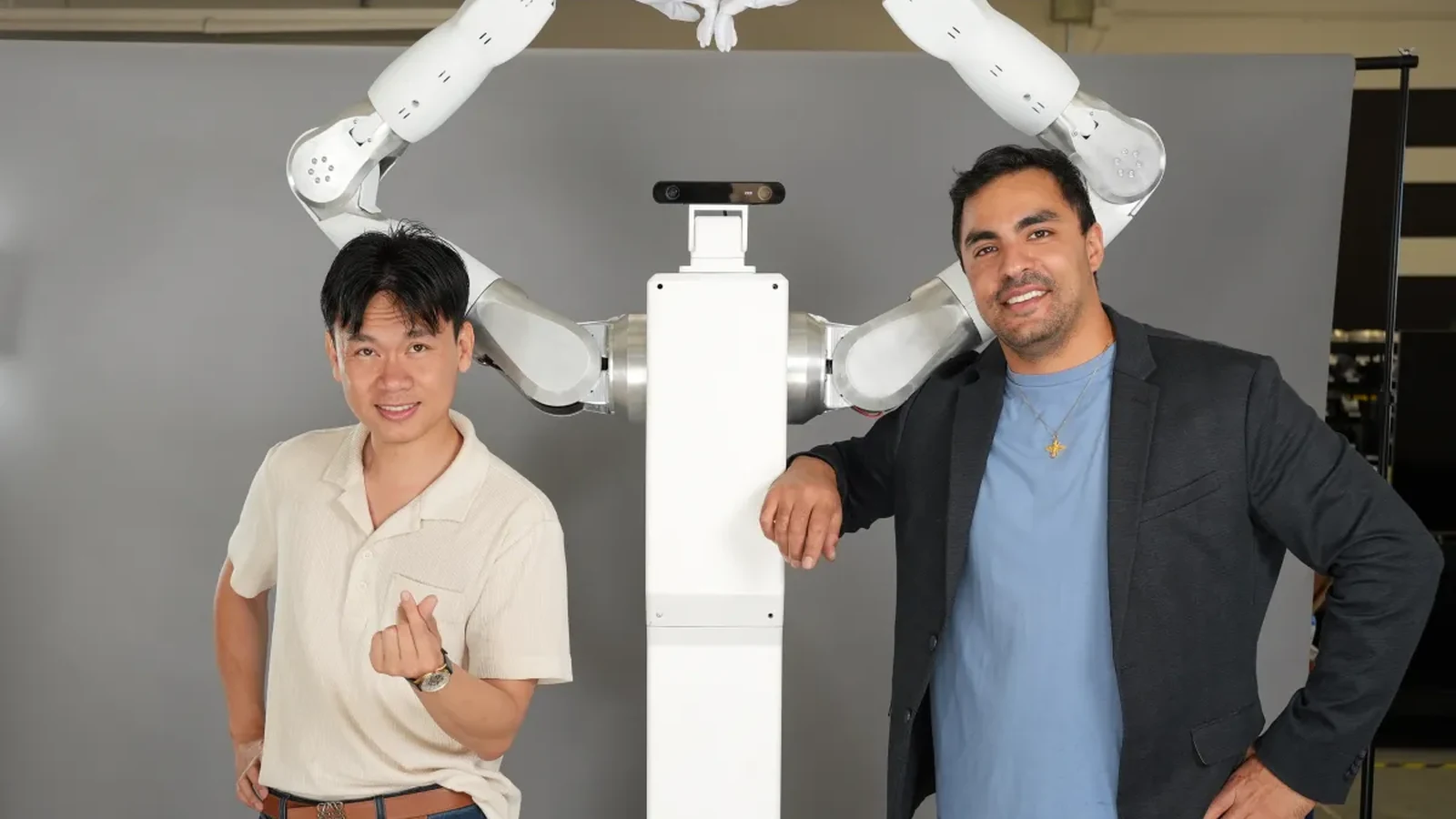
Co-founder Hoa Mai noted that companies like Nvidia and Apple historically achieved success by beginning with a deployable product and progressively adding complexity over time. Mai teamed up with Parsa Bakhtiari, a former Tesla Model 3 engineer, to establish the company with the vision of building what they hope will become the Android of robotics.
Funding and Early Momentum
That ambitious vision successfully drew backing from <a href="https://techcrunch.com/tag/gradient-ventures/">Gradient Ventures</a>, which led the startup's previously announced $7.6 million pre-seed round at its inception. Operating with notable efficiency, the startup has only spent a fraction of those pre-seed funds thus far.
Since its launch, Feather has rolled out a modular robotic system enabling developers to adjust hardware specifications like arm lengths for various use cases. The company has already begun selling units to customers, pushing its total revenue past the $1 million mark.
Real-World Deployments and AI Compatibility
Although the startup is keeping its customer list private, it reported that its systems are actively working as restaurant cooks and cleaning up science labs. On the software side, the hardware is compatible with models from prominent artificial intelligence providers such as Nvidia, Skild, and Physical Intelligence.
Following a year of field testing that resolved nearly all initial operational issues, Mai confirmed that the team is preparing for a major product launch. Darian Shirazi, general partner at Gradient Ventures, points out that Feather occupies a unique space as the only U.S. startup developing a modular <a href="https://techcrunch.com/tag/humanoid-robots/">humanoid robots</a> platform.
Market Positioning and Pricing Advantage
While Mai acknowledged taking inspiration from <a href="https://techcrunch.com/2026/02/28/why-chinas-humanoid-robot-industry-is-winning-the-early-market/">a page from Chinese robotics companies like Unitree</a>, restrictions on foreign-made models entering the United States have positioned Feather as a distinct homegrown alternative.
A major part of that positioning is price. Retailing at $30,000, the robot costs approximately half as much as Unitree's H2 Edu model. Shirazi notes that compared to the total yearly cost of hiring, training, and supporting a human laborer, the platform offers a compelling financial alternative for prospective buyers.
Powering the Future Developer Ecosystem
The core thesis behind Feather's business strategy is that the true long-term value in the robotics sector will stem from the software ecosystem built around the physical hardware.
While the present market size for physical AI companies remains relatively small, Mai anticipates that thousands of physical AI application companies will exist within five years. Feather ultimately aims to provide the foundational platform that powers all of them.
Sources
- TechCrunchMeet Feather, the startup building the ‘Android of robotics’ for developers