SGBC FPGA Game Boy Console Can Rip Cartridges to microSD
The SGBC is an FPGA-based Game Boy console designed to play original cartridges while adding modern display output and digital preservation features. Its creator says the project nearly ended before a retro gaming enthusiast helped fund its development.
 Radwan AbdulhadiEditor and technology writer
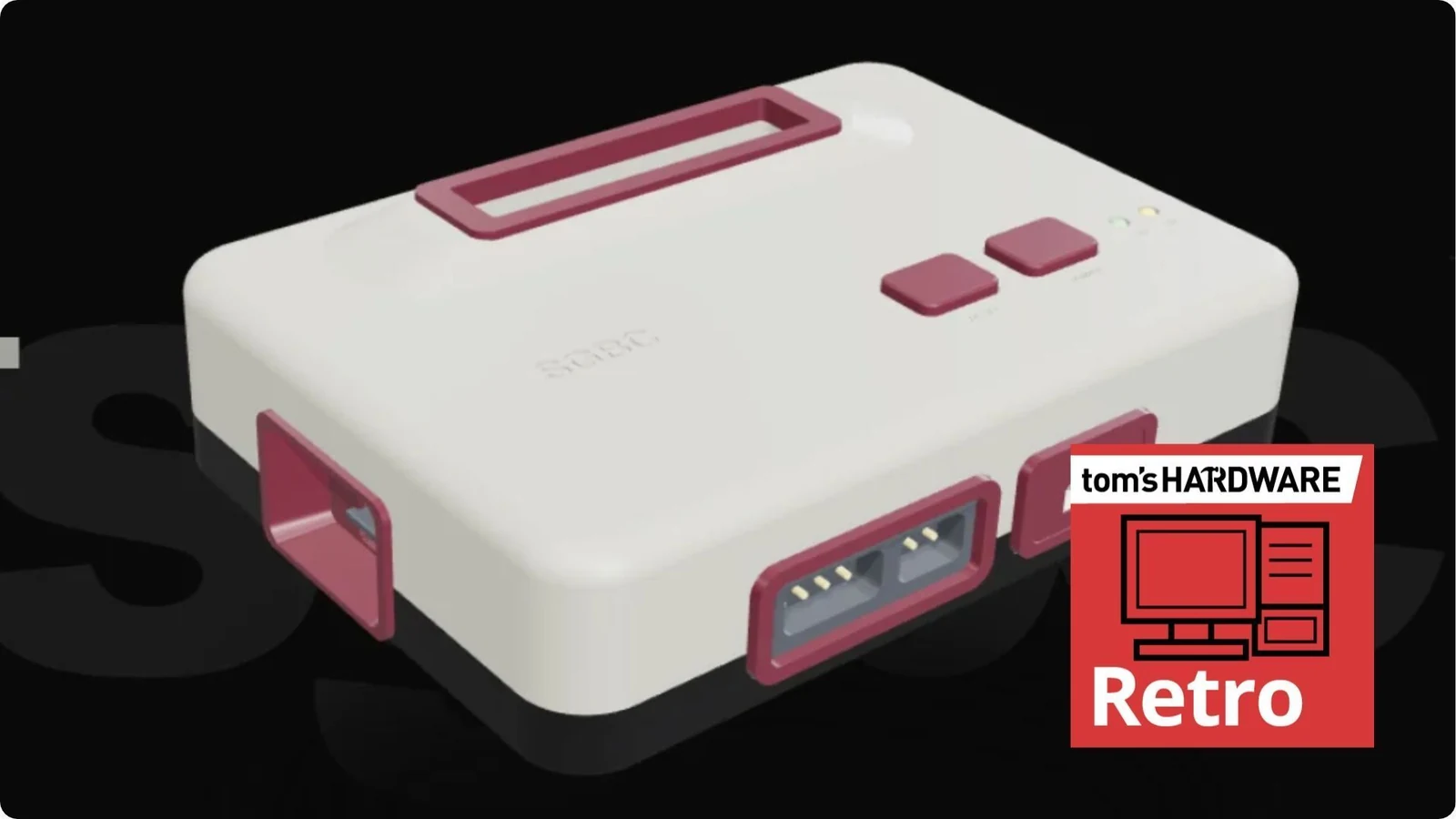
An FPGA Game Boy with original cartridge support
The SGBC is a new FPGA-based console that can play Nintendo Game Boy cartridges natively, according to Tom's Hardware. Created by French electronics engineer Thomas Sanfourche, who is studying in Taiwan, the project aims to preserve the original Game Boy experience while making it easier to use with modern displays and accessories.
Rather than relying on original Game Boy hardware, the SGBC uses a field-programmable gate array, or FPGA. These reprogrammable chips can be configured to reproduce the hardware logic of another system. In this case, the FPGA is used to replicate the Game Boy's hardware, including its CPU and other components, although Sanfourche has not specified which original integrated circuits have been consolidated into the core.
Cartridge ROMs can be copied to microSD
The console's most distinctive feature is a built-in cartridge ripping function. When a Game Boy cartridge is inserted into the SGBC, the system can copy its ROM to a microSD card. That gives owners a way to create digital copies of cartridges they already possess while retaining the option to play the physical games through the console's cartridge slot.
The source material does not specify the supported cartridge types, the maximum storage capacity, the file format used for copied ROMs or whether the console can launch those files directly from the microSD card. The confirmed feature is the ability to digitize cartridge ROMs natively through the console.
Modern video output and retro connections
For display output, the SGBC can send games to a television or monitor over HDMI at 1080p in a 16:9 format without stretching the image. It uses integer scaling so the game's pixels remain aligned with the pixels on the display, a choice intended to preserve the sharp, block-based appearance associated with Game Boy graphics.
The design also includes an SNES controller port and a Game Boy Link port. The link connection is intended to support multiplayer and trading, preserving one of the original handheld's defining social features. The project description also lists USB-C among the console's features, although the available source does not detail its specific functions.
A project nearly left unfinished
Sanfourche's route to the SGBC began after he moved to Taiwan to study electronics engineering. In an interview with French retro gaming YouTuber GyuGyu, he said he initially struggled because he did not speak the local language and could not enrol without the required certification. He had expected the process to take two years, but obtained the language certification in six months.
During his second year, Sanfourche chose an FPGA course after becoming interested in the subject's name. He later selected a Game Boy FPGA core as his final-year project. When he presented the idea to his professors, he said they questioned the purpose of implementing it on an FPGA. The response discouraged him, and he stopped working on the project.
Retro enthusiast helped revive the SGBC
The project changed direction after Sanfourche visited a warehouse to buy a PVM monitor. He began speaking with another customer, a retro product seller who was active in Taiwan's local retro gaming scene. After hearing about the FPGA Game Boy project, the seller encouraged Sanfourche to market it and offered to finance the equipment needed to develop it further or bring it to life.
Sanfourche said the backer did not want to join the business, but planned to resell the product after release. The supporter also helped promote the project by sharing updates and teasers with local retro enthusiast groups on Facebook. That assistance allowed the SGBC to continue after it had nearly been abandoned.
Release details remain unavailable
The SGBC has not yet been released, and the available information does not include a launch date, price or final hardware specifications. It joins a wider group of FPGA-based retro consoles, including Taki Udon's SuperStation One, ModRetro's M64 and Analogue's SuperNT+ and MegaSG+.
These projects recreate older platforms while adding conveniences that were not part of the original systems, such as modern video output and digital storage. The SGBC applies that approach specifically to the Game Boy, combining original cartridge compatibility and link functionality with a native ROM-copying feature and contemporary display connectivity.
Sources
- Tom's HardwareEngineer creates retro FPGA Game Boy console that can rip your cartridges to an SD card natively — features HDMI, USB-C, and even has Game Link Cable support
Continue chronologically


Related stories
Super Mario 64 Ported Natively to Microsoft Zune HD
A developer has ported Nintendo's classic Super Mario 64 to Microsoft's 2009 Zune HD media player, running natively on its Nvidia Tegra chip.
Is the Original Nintendo Switch Still Worth Buying in 2026?
Nine years after launch, is the original Nintendo Switch worth the investment? We break down the value of used versus new consoles in the age of Switch 2.
Why microSD Express cards matter for the Nintendo Switch 2
Discover why the Nintendo Switch 2 requires a microSD Express card for expandable storage and how to choose the right capacity for your game library.
What Is the Cheapest New Gaming Console in 2026?
Discover the most affordable new gaming console options in 2026 as import tariffs and surging memory prices reshape the gaming market.