
Is the Original Nintendo Switch Still Worth Buying in 2026?
As the gaming landscape shifts toward the Switch 2, prospective buyers must weigh the enduring appeal of the original console against modern hardware limitations and pricing.
 Radwan AbdulhadiEditor and technology writer
The Current Value Proposition
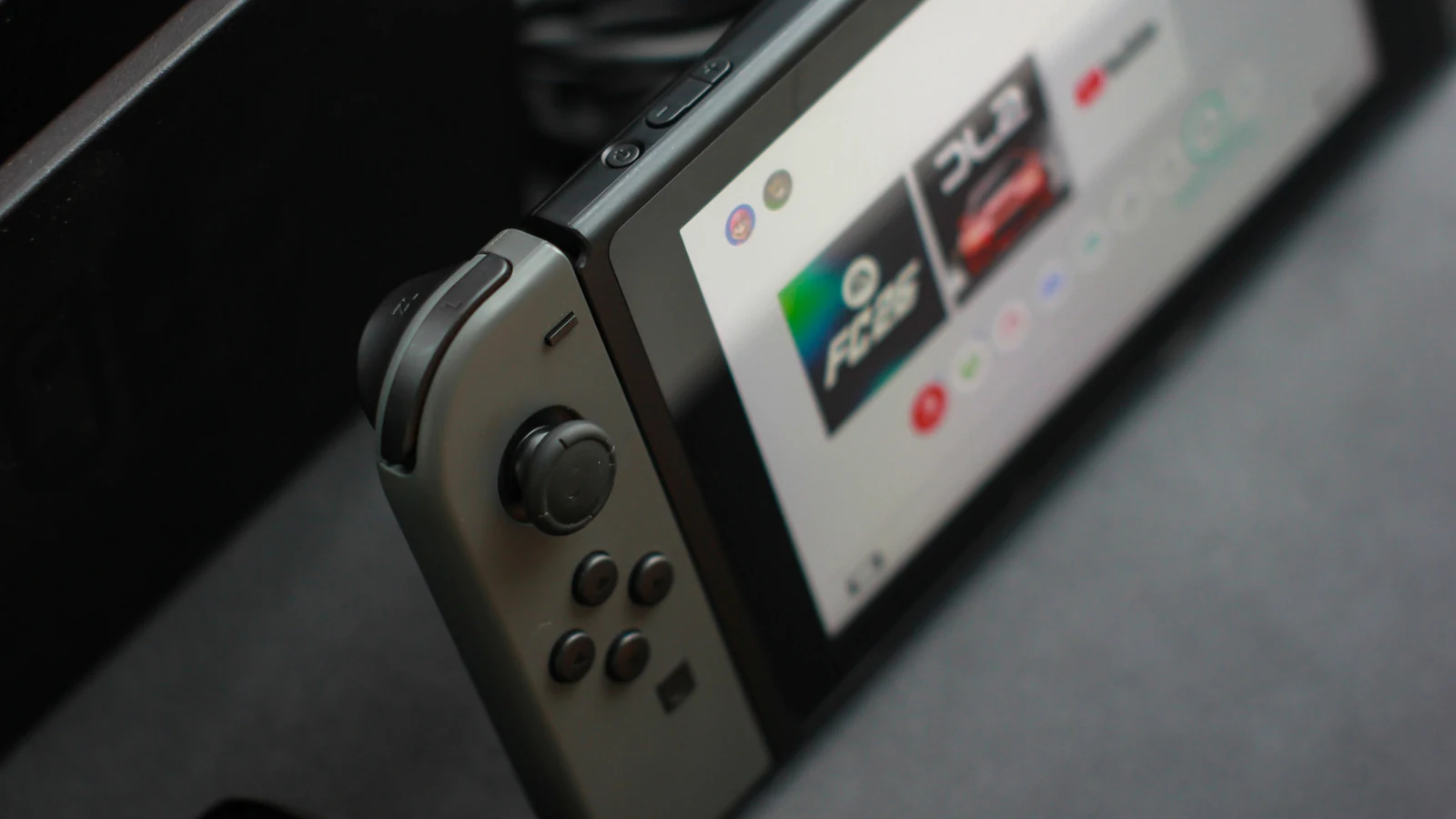
Nine years after its initial launch, the Nintendo Switch remains a staple of the gaming industry. However, as of late 2026, the decision to purchase one has become more complex. With the [Nintendo](https://www.engadget.com/category/nintendo/) Switch 2 currently retailing for $499.99, consumers are forced to compare the older hardware against a newer, more capable machine. While the standard Switch sits at $339.99 and the OLED model at $399.99, the market for pre-owned systems has made the original console an increasingly attractive budget option.
This shift in hardware hierarchy comes at a time when console pricing is volatile. [Microsoft raising some Xbox models](https://www.engadget.com/2201787/xbox-prices-are-going-up-again-after-microsoft-helps-drive-up-component-costs/) by as much as $150 earlier this year has contributed to a broader sense of instability in the gaming market. Consequently, paying a premium for a brand-new Switch OLED feels less like a sound investment when a modern alternative is available for a relatively small price increase.
The Case for the Switch 2
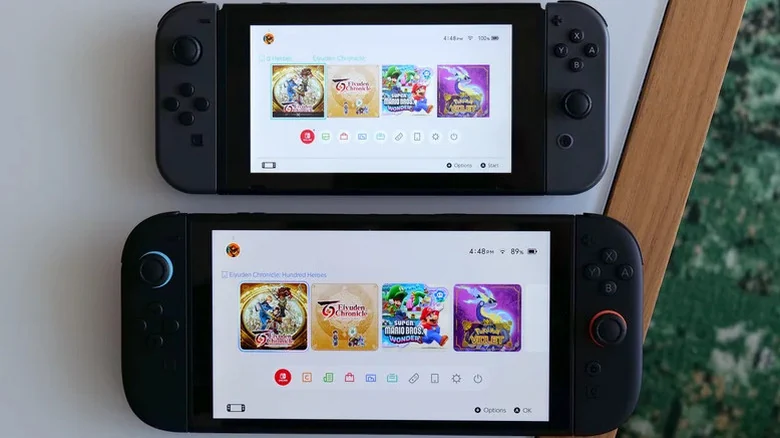
For many, the newer console offers advantages that the original simply cannot match. Beyond an expanding list of exclusives, the system provides a more refined experience for legacy titles. As noted in [Our Switch 2 review](https://www.engadget.com/gaming/nintendo/nintendo-switch-2-review-more-of-what-you-love-120048430.html), the hardware is designed to breathe new life into older software, ensuring that players aren't abandoning their back catalogs by upgrading.
One such feature is the [Handheld Mode Boost](https://www.engadget.com/gaming/nintendo/switch-2-software-update-adds-handheld-mode-boost-for-your-old-games-165451808.html), which allows supported titles to mimic the performance quality of TV mode even while on the go. Furthermore, the software divide is widening; titles like Splatoon Raiders are locked to the newer hardware, while major third-party developers are increasingly focusing their resources on current-generation platforms, often treating the original Switch as a legacy device.
Evaluating Used Hardware
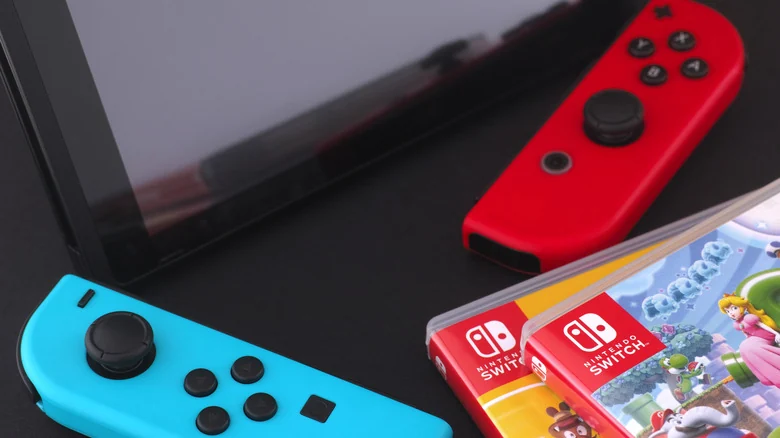
If the goal is to save money, the used market is the most viable path. Pre-owned standard Switch consoles are frequently found for around $200, with OLED models hovering near $250. This creates a significant $250 to $300 price gap compared to a brand-new Switch 2. For those who prioritize a portable experience above all else, pre-owned Switch Lite systems can be sourced for roughly $170, though these lack the ability to connect to a television.
However, buying used requires due diligence. Prospective owners should inspect the USB-C port, Joy-Con sticks, screen, and the dock. It is also important to note that the original Switch has a lower repairability score of 4/10 due to its glued-in battery. Regarding longevity, [Nintendo says](https://www.nintendo.com/en-gb/Support/Nintendo-Switch-2/Information-about-upcoming-battery-related-revisions-to-some-Nintendo-products-3132901.html) that batteries are designed to retain about 80 percent of their capacity after 800 charge cycles, making battery health a critical factor when buying second-hand.
Enduring Library and Support
Despite its age, the original console still boasts an [absurd amount to play](https://www.engadget.com/2243817/how-long-expect-nintendo-switch-last-lifespan-support/). Nine years of releases—including indie gems, third-party heavy hitters, and iconic first-party titles—ensure that the system remains relevant for casual and dedicated players alike. Nintendo has confirmed that its primary services, including the eShop and Nintendo Switch Online, are expected to continue for the foreseeable future.
Ultimately, the decision to buy an original Switch in 2026 rests on budget and priorities. If one can find a high-quality used unit—specifically a standard model with the XKW serial number for better battery life—it serves as a cost-effective gateway to a vast library. For those who want the latest performance and exclusive software, the Switch 2 remains the logical choice, but the original hardware is far from obsolete.
Sources
- EngadgetIs the original Nintendo Switch still worth buying in 2026?