Meta Launches Muse Spark Open AI Model for Macs
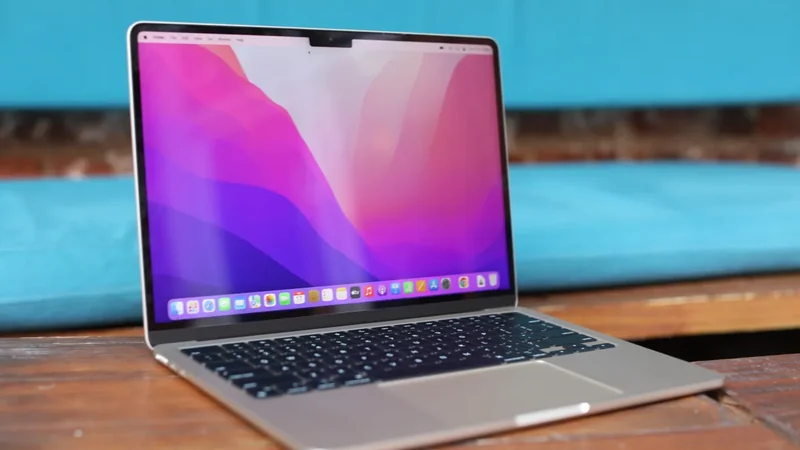
Meta has introduced its new Muse Spark Open model, a natively multimodal system built to run locally on Apple silicon through a collaboration between Meta and Apple.
 Radwan AbdulhadiEditor and technology writer
A New Open-Weight Flagship
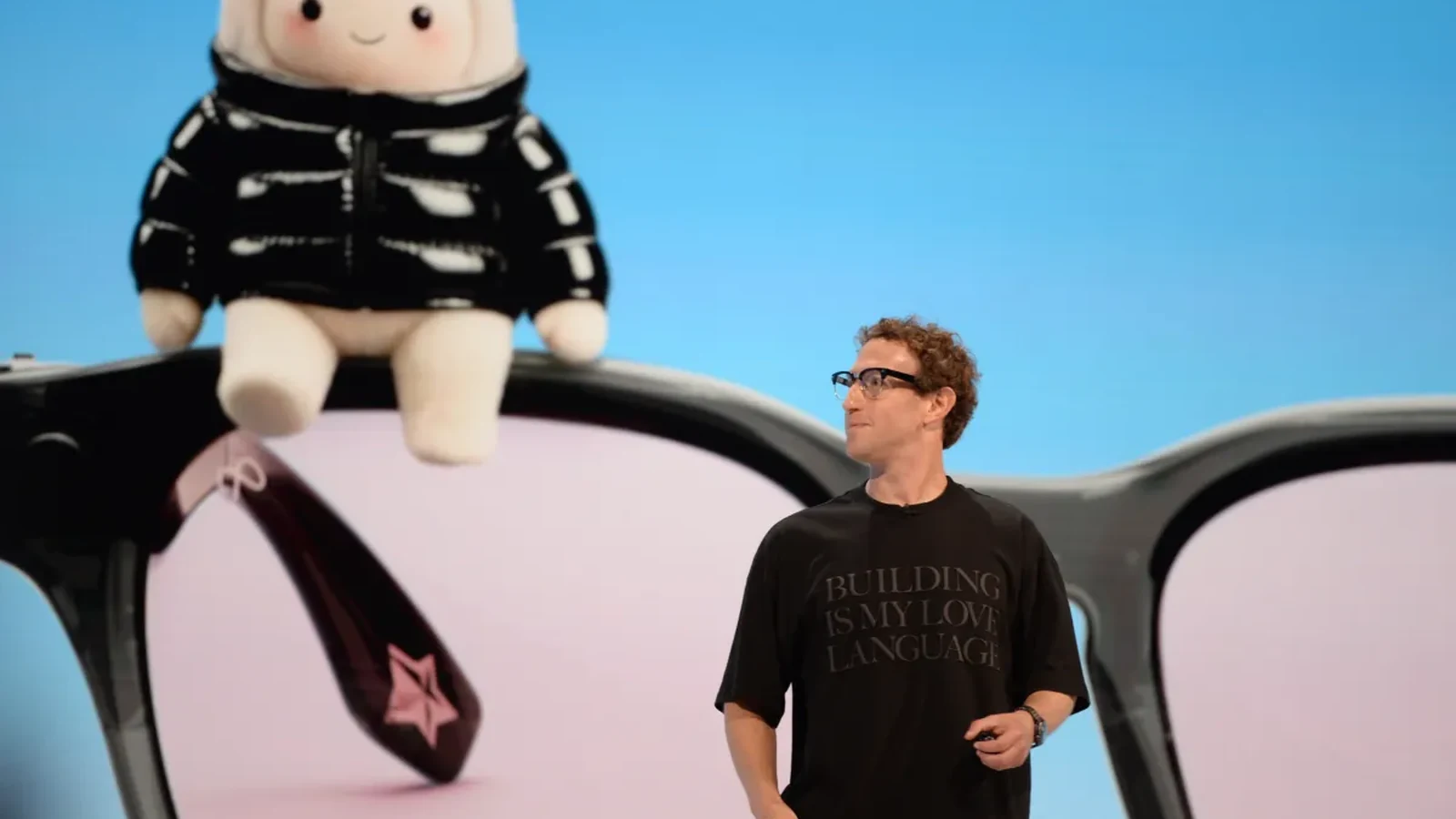
Meta has announced the release of what it describes as the most capable open-weight AI model in the United States. Officially [launched](https://research.meta.ai/blog/muse-spark-open) under the name Muse Spark Open, the model is engineered to handle demanding computational workloads while introducing a unique capability for desktop integration.
Evaluation results released by Meta indicate that the new model leverages 816 billion parameters alongside a 1 million token context window. According to the company, these specifications allow the system to offer superior performance compared to other popular open-weight models currently available on the market.
Designed for Apple Silicon
A notable aspect of the Muse Spark Open release is its optimization for desktop hardware. While open-weight models typically require massive cloud data center infrastructure, Meta built this system to work directly with Macs, as detailed in recent reporting [per Engadget](https://www.engadget.com/2287833/meta-built-a-huge-open-weight-model-for-macs-but-youll-need-1tb-of-ram-to-run-it/).
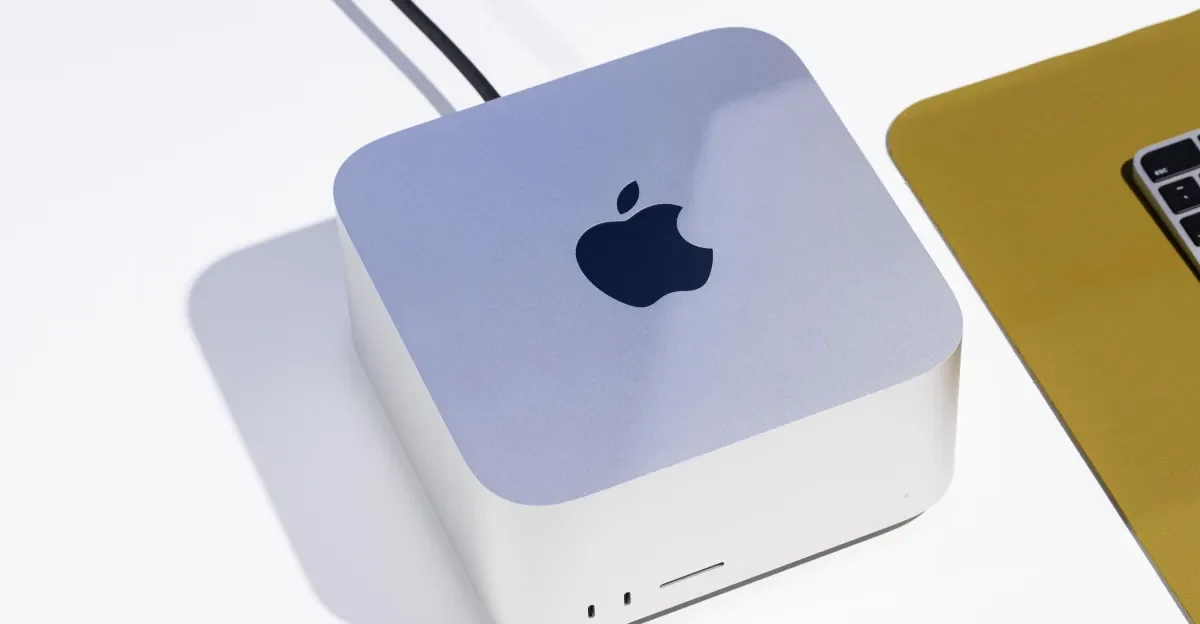
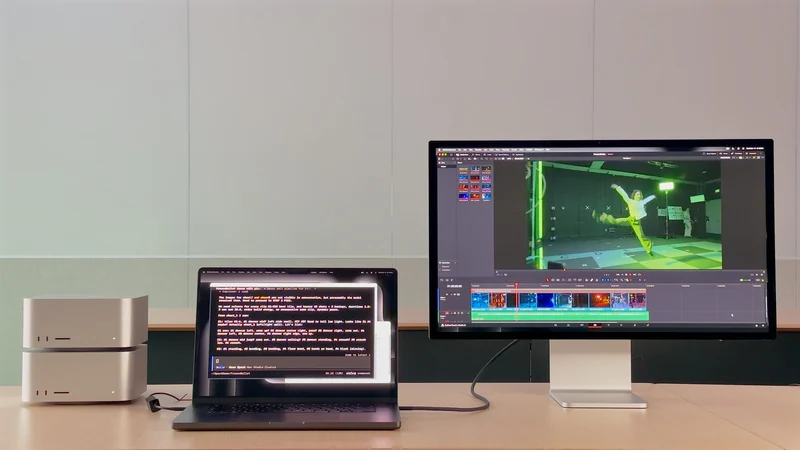
Running the model locally requires substantial hardware power. Users need at least 1 terabyte of RAM, and the system performs best when deployed via Mac Studio hardware equipped with the M5 Ultra chip. Additionally, Meta noted that the model can run locally on desktops using two Apple M5 Ultra Mac Studios with the latest MLX framework, supported by [a new technical post](https://machinelearning.apple.com/research/mlx-distributed-inference) published by Apple regarding its array framework for machine learning tasks.
Collaborative Effort Between Tech Giants
The release of Muse Spark Open highlights an unusual partnership between companies that are [typically rivals](https://www.wsj.com/tech/facebook-meets-apple-in-clash-of-the-tech-titanswe-need-to-inflict-pain-11613192406?mod=article_inline). Meta and Apple worked closely together over several months to ensure the model runs efficiently on Apple silicon hardware.
Leadership from both corporations publicly acknowledged the collaboration following the announcement. Meta CEO Mark Zuckerberg [said on X](https://x.com/finkd/status/2110778025629347999) that the model runs smoothly on the new Mac Studio computers following joint technical efforts.
Apple CEO John Ternus [said in a reply](https://x.com/johnternus/status/2110789142326165518) that it is remarkable to run an AI model of this scale and caliber efficiently from a desktop computer, praising the Mac Studio for pushing boundaries in on-device artificial intelligence.
Capabilities and Agentic Workflows
Muse Spark Open is a natively multimodal model built to manage complex coding tasks, multi-step reasoning, long-horizon projects, and agentic labor. Meta paired the model with its Muse Code AI coding terminal and tested it across various automated workflows.
According to Meta, the model successfully handled software engineering tasks such as writing bug fixes, developing new features, and executing full builds for a Mastodon client. The company also demonstrated its use in running DaVinci Resolve, showing that the model can assist with video editing functions like reviewing and cropping footage.
Industry Availability and Advantages
Open-weight models provide specific industry benefits compared to proprietary closed-source alternatives, offering greater transparency, structural flexibility, and potential cost efficiencies for developers and enterprises.
Meta is making Muse Spark Open accessible to users immediately through various application programming interface platforms, alongside the direct desktop deployment options available for high-end Apple hardware configurations.
Sources
- TechCrunchMeta launches an open-weight AI model that runs on Macs
- The VergeMeta and Apple team up to make Muse AI models run better on Macs
Continue chronologically
Related entity coverage
Related stories
Meta Releases Muse Spark Open, an 800B-Parameter AI Model
Meta has introduced Muse Spark Open, an 800-billion parameter open-weight AI model optimized for Apple's hardware, requiring 1TB of unified RAM.
Meta and Apple Team Up for Muse AI Launch on Mac
Meta and Apple collaborate on the new Muse Spark Open AI model, enabling efficient execution on Mac hardware using the latest MLX framework.
Apple refreshes Mac desktops for the local-AI era
Apple's M6 Mac Mini and M5 Mac Studio target local AI users, while the aging M4 iMac remains a simpler but less flexible option.

Apple Tightens macOS Full Disk Access Over AI Risks
Apple is updating macOS Full Disk Access controls, warning that increasingly capable AI agents create new security risks for user data.