Why Strong Magnets Can Hinder Your iPhone's Rear-Facing Camera
Popular magnetic accessories such as car mounts, power banks, and grips can introduce strong magnetic fields that interfere with an iPhone's sensitive camera stabilization sensors.
 Radwan AbdulhadiEditor and technology writer
The Hidden Impact of Magnetic Accessories
Many smartphone users rely on magnetic accessories to make daily device handling more convenient. Whether securing a phone to a vehicle dashboard or attaching a portable power bank, magnetized metal plates and accessories are everywhere. However, according to insights shared in an [Engadget](https://www.engadget.com/2281130/why-strong-magnetic-hinder-iphone-rear-facing-camera/) report, these convenient additions can sometimes compromise the very features users care about most.
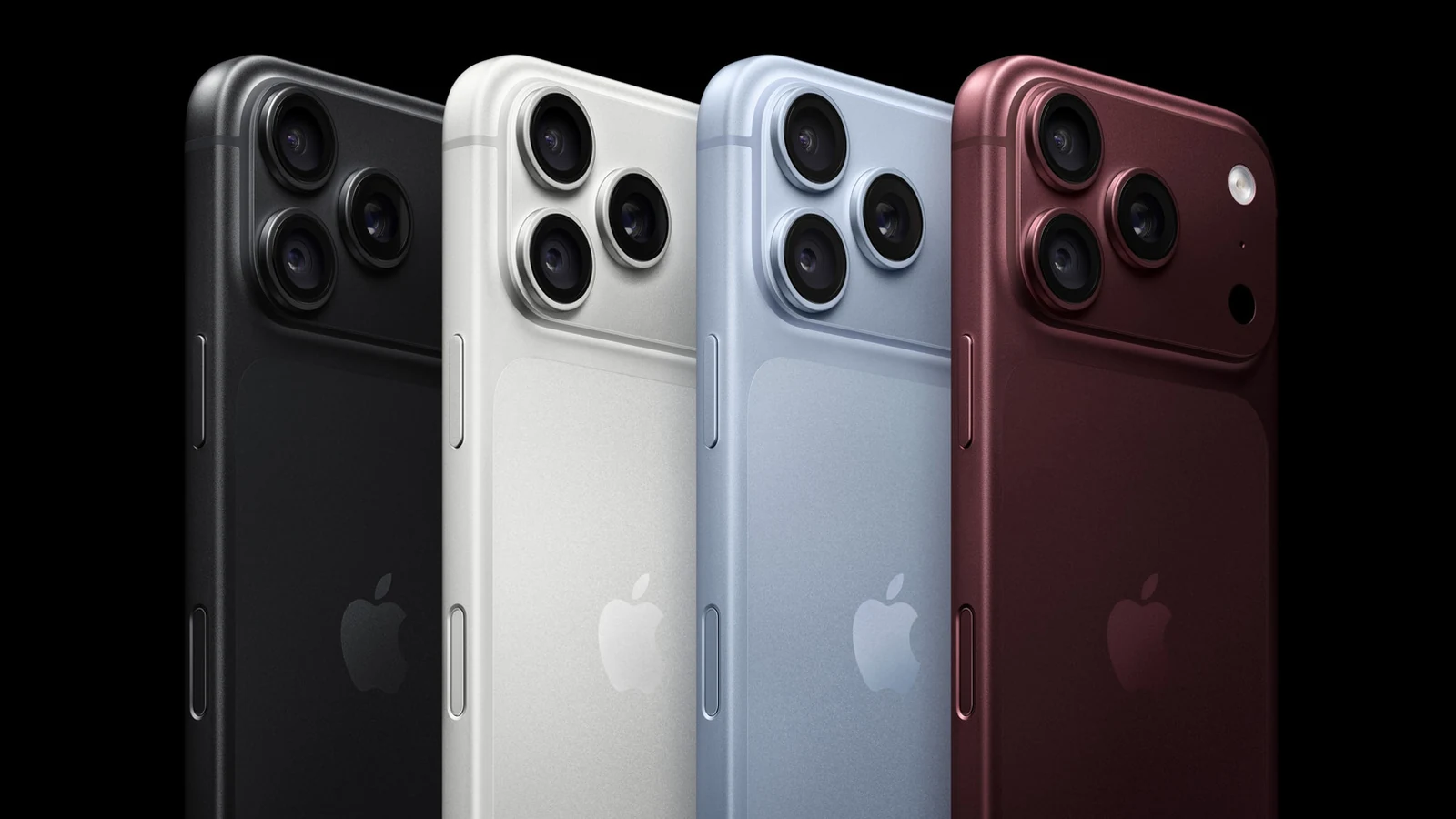
As companies like [Apple](https://www.apple.com/newsroom/2026/09/apple-debuts-iphone-18-pro-and-iphone-18-pro-max/) continue pushing mobile photography forward with advanced hardware, the internal mechanisms required to capture sharp photos have grown increasingly complex. Modern rear-facing smartphone cameras incorporate sophisticated components designed to eliminate blur, which can inadvertently become vulnerable to external magnetic interference.
Understanding Camera Stabilization Technologies
The rear-facing cameras on modern iPhones rely on specialized lens-positioning technologies to preserve focus and prevent blur during everyday shooting. The first of these is optical image stabilization, or OIS. OIS utilizes an internal gyroscope to detect physical movements while a photo is being taken. By adjusting the lens in real-time to match the gyroscope's measurements, the system reduces image motion and delivers sharper results.
The second technology is closed-loop autofocus, which uses onboard accelerometers—a form of magnetic sensor—to measure external factors like gravity and vibrations. By continuously compensating the camera lens position, this system ensures that videos, panoramas, and still photos maintain high levels of clarity even when conditions are less than ideal.
How Magnetic Fields Disrupt Lens Sensors
Because lens-position sensors are engineered to be extremely sensitive to minute physical shifts, they are also prone to interference from strong magnetic fields. When a powerful magnet is placed in close proximity to the camera lens, the motion-sensing accuracy of the internal components can drop significantly. Furthermore, the operational range of the camera lens may become restricted.
If OIS and closed-loop autofocus sensors are disabled or impaired by external magnetic forces, the device may still capture images through alternative stabilization methods. Even so, the overall precision of the photo-correction process suffers, which can lead to noticeable degradation in image quality.
Apple's Warnings and Troubleshooting Guidelines
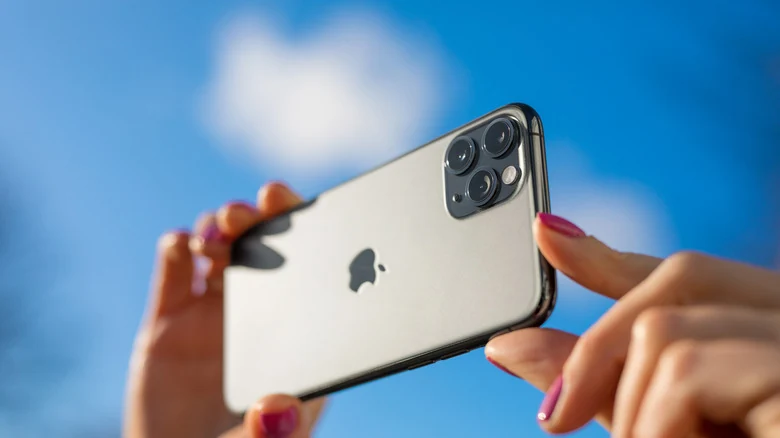
Apple has documented these potential hardware interactions for consumers. [On its support page](https://support.apple.com/en-in/102434), the company explains that magnetic accessories can cause camera images to blur. In addition to static magnetic fields, auxiliary factors such as exposure to high-amplitude vibrations from high-powered motorcycles can cause lasting physical damage to delicate camera sensors.
To prevent unintended interference, users are advised to be cautious when [shopping for your next favorite iPhone accessory](https://www.engadget.com/computing/accessories/best-iphone-accessories-140022449.html) and to avoid products that place powerful magnetic fields directly next to the camera system. Third-party additions such as latch folio covers and magnetic car mounts are prime examples of items that warrant careful consideration before use.
Practical Solutions for Device Owners
Mitigating potential camera issues caused by magnets is straightforward: refrain from using third-party attachments that house strong magnets near the back glass of the phone. While eliminating magnetic interference protects the lens-position sensors, it does not guarantee total immunity from other hardware complications.
For individuals experiencing persistent photographic hurdles, device makers provide dedicated diagnostic documentation. Users seeking a comprehensive approach to resolving hardware malfunctions can [visit Apple's support page](https://support.apple.com/en-us/102514) for step-by-step troubleshooting instructions.
Sources
- EngadgetWhy strong magnets can hinder the iPhone's rear-facing camera
Continue chronologically


Related entity coverage
Related stories
How to Fix Apple AirPods When They Won't Connect to iPhone
Learn why your Apple AirPods fail to connect to your iPhone and discover quick troubleshooting steps, from checking batteries to resetting devices.

How to Improve Your iPhone Call Quality and Fix Issues
Discover actionable steps to improve your iPhone call quality, from utilizing Voice Isolation and toggling Airplane Mode to checking your hardware.

Apple's Hidden iPhone Measure Tool: How It Works
Discover Apple's built-in iPhone Measure app, using cameras and LiDAR to size up everyday objects when a physical tape measure is out of reach.

Essential Tips and Pricing for the New iPhone Duo
Discover essential tips, software tricks, hardware trade-offs, and pre-order pricing details for Apple's newly launched iPhone Duo foldable device.