
Apple iPhone Duo Review: Inside Apple's First Foldable Phone
Apple has entered the foldable market with the iPhone Duo, offering a robust hardware package that pairs dual high-refresh-rate displays with heavy-duty titanium construction.
 Radwan AbdulhadiEditor and technology writer
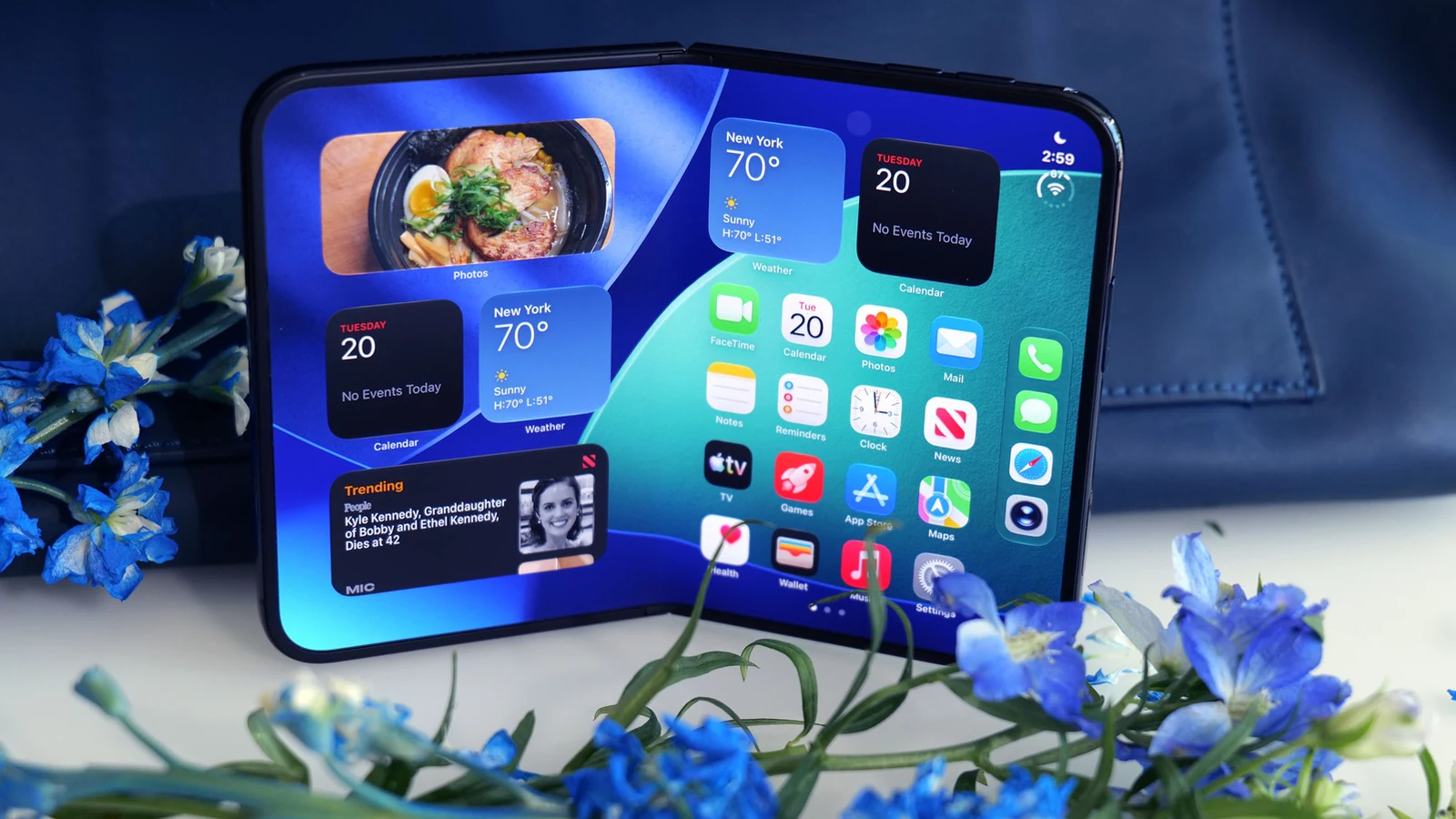
Introduction to Apple's First Bendy Device
Nearly a decade after the launch that reshaped its mobile lineup, Apple has embarked on another paradigm shift with the arrival of the iPhone Duo. Priced at $1,999, the device represents the company's first foldable handset, bringing high-end competition to a market long dominated by Android alternatives. Detailed further in the full <a href="https://www.engadget.com/2292333/apple-iphone-duo-review/">Apple iPhone Duo review</a>, the release shows that Apple took its time entering the category, opting for a mature hardware approach rather than rushing to be first.
The device arrives during a transitional leadership period for the company following John Ternus taking the reins as CEO. While the hardware is heavy and expensive compared to some rivals, it incorporates advanced engineering that addresses traditional durability concerns associated with flexible displays.
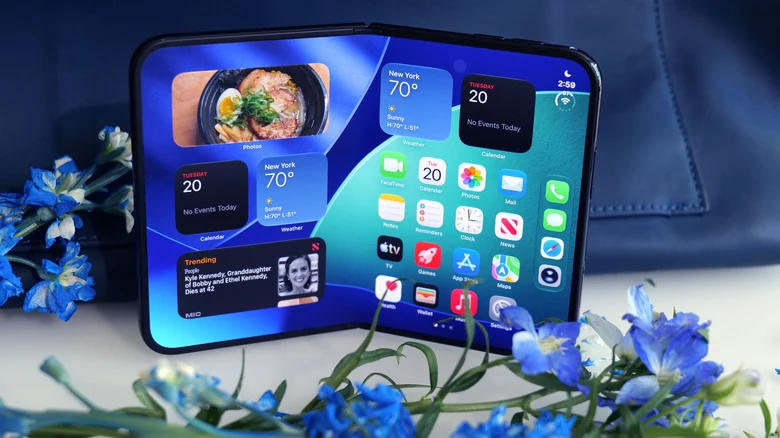
Dual Display System and Matte Nanotexture Finish
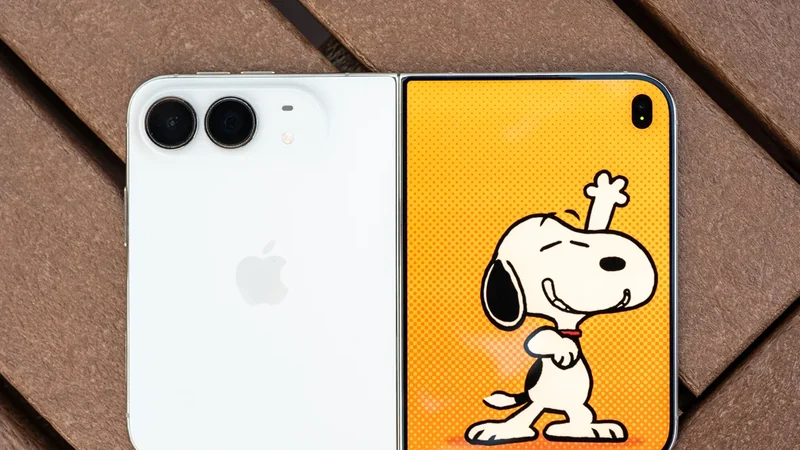
The external hardware utilizes a glossy 5.4-inch OLED display supporting 120Hz ProMotion and up to 3,000 nits of peak brightness. Unfolding the device reveals a larger 7.6-inch interior panel with a matching 1:1.4 aspect ratio. This layout allows for smooth transitions between screens, keeping the same core viewing experience while expanding workspace real estate.
Unlike the glossy exterior, the interior screen features a matte nanotexture finish designed to reduce reflections and conceal the central display crease. While a small divot runs down the middle of the main panel, it generally disappears during head-on viewing. Users are cautioned that the protective layer can be removed if picked at repeatedly, though replacement options are available through Apple support channels.
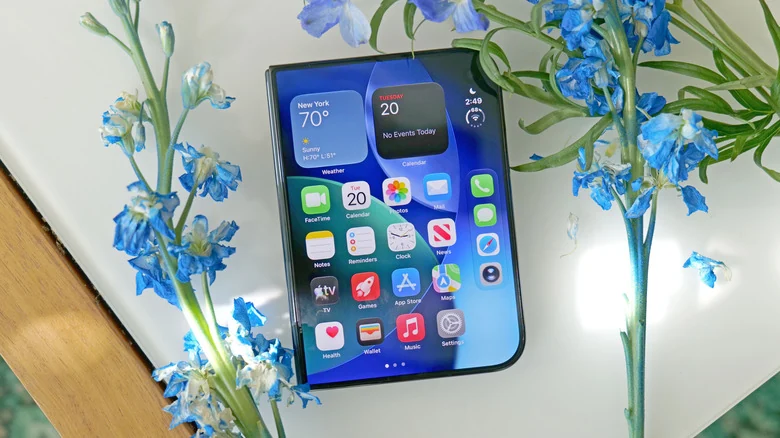
Durability, Hinge Mechanism, and Biometrics
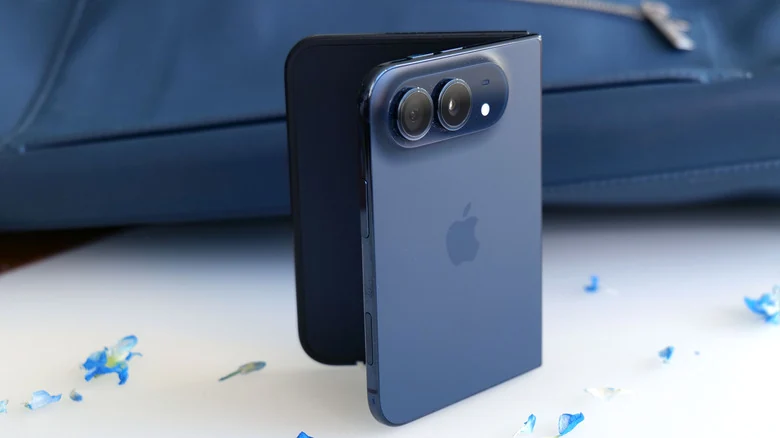
The physical chassis is built around a titanium frame connected by a complex hinge mechanism comprising over 100 components. The hinge offers smooth movement across multiple holding angles. Impressively, Apple managed to secure an IP68 dust and water resistance rating for the folding chassis, a feature shared by very few competitors in the United States market, such as the Pixel 11 Pro Fold.
Instead of traditional Face ID, authentication is handled by a side-mounted Touch ID sensor embedded in the lock button. Apple designed this solution to offer consistent operation across various folding configurations while allowing the lock screen to display notifications before full device access is granted.
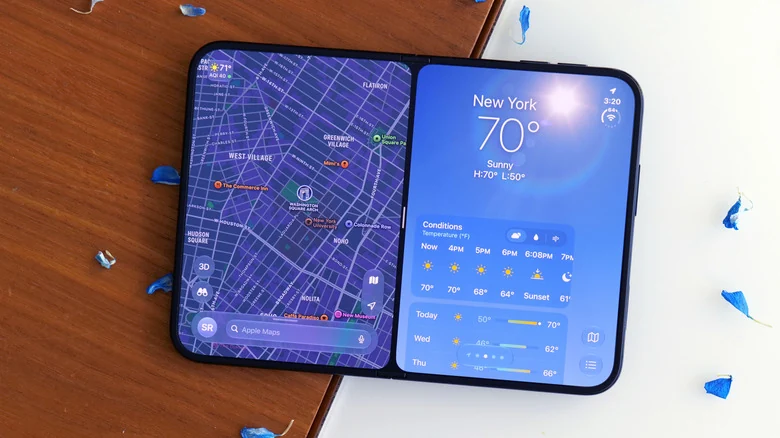
Performance and Multitasking with the A20 Pro
Under the hood, the device runs on the same processing architecture found in traditional flagship lines, utilizing the powerful A20 Pro chip also seen inside the <a href="https://www.engadget.com/2259790/apple-iphone-18-pro-review-cameras-performance-variable-aperture-siri-ai/">iPhone 18 Pro</a>. This ensures high framerates during intensive mobile gaming and effortless execution of multi-window workflows.
Multitasking features allow users to invoke split-view layouts via intuitive touch gestures. Apps can be arranged side-by-side or stacked vertically, and frequently used app pairs can be pinned together for quick access during daily routines.
Weight and Ergonomic Trade-offs
The primary drawback of the robust engineering is its physical mass. Tipping the scales at 254 grams, the iPhone Duo is significantly heavier than competing horizontal foldables like the Galaxy Z Fold 8. This extra heft means the handset can feel substantial in pockets during extended movement, encouraging two-handed use for longer viewing or productivity sessions.
Despite app optimization still underway for various third-party software titles, Apple's initial foldable entry successfully establishes a high benchmark for future hardware revisions.
Sources
- EngadgetApple iPhone Duo review: A first-class foldable
Continue chronologically


Related entity coverage
Related stories
Apple Announces iPhone Duo Foldable With A20 Pro and iOS 27
Apple unveils the foldable iPhone Duo featuring its largest iPhone display ever, A20 Pro performance, iOS 27, and Siri AI powered by Apple Intelligence.

Apple iPhone Duo Review: A First-Class Foldable
Apple enters the foldable market with the iPhone Duo, offering a wide passport design, dual displays, and robust titanium construction.
Apple iPhone Duo: Popular Features Missing from the Foldable
Discover the key Apple iPhone features left out of the new iPhone Duo, including FaceID, camera controls, and advanced shooting capabilities.
iPhone Duo Reviews Highlight Apple's Foldable Polish
Initial iPhone Duo reviews evaluate Apple's first foldable device, highlighting familiar design challenges and high-end polish.