Reflecting on Google’s Original Pixel Fold Form Factor
Google's original foldable device introduced a wide form factor that anticipated modern industry shifts, despite its initial hardware and software challenges.
 Radwan AbdulhadiEditor and technology writer
Introduction to the First Pixel Fold
When Google entered the foldable market in 2023 with the [Google Pixel Fold](https://9to5google.com/guides/google-pixel-foldable/), the device arrived during a period of significant growing pains for the foldable category. Initial assessments described the hardware as better than expected while acknowledging it remained far from perfect. Offering sturdy construction and respectable cameras, the original device managed to minimize many of the compromises typical of early foldables.
However, aging has not been entirely kind to the hardware. Over time, the glossy finish of the metal frame proved to be a significant fingerprint magnet, while the overall heft of the device made it notably heavy compared to more recent hardware like the Galaxy Z Fold 8. Additionally, the prominent central display crease and thermal management challenges associated with the Tensor G2 processor ultimately presented deal-breakers for users during long-term evaluation.
Anticipating the Wide Form Factor
Despite its flaws, the original [Google Pixel](https://9to5google.com/guides/google-pixel/) device correctly identified a crucial hardware direction by adopting a wider form factor. In the wake of Apple entering the foldable market, modern brands have quickly pivoted toward wider proportions that better resonate with consumers. While the original Pixel hardware appeared relatively normal compared to newer iterations like the Galaxy Z Fold 8, the core architectural philosophy remains identical.
The wider display canvas was specifically engineered to improve multitasking and accommodate dedicated tablet applications. Unlike competing foldables that primarily scaled phone applications onto a larger screen, the wider design of the initial device frequently triggered proper tablet versions of applications, establishing an early blueprint for software layout adaptation.
Software Readiness and Ecosystem Limitations
Google ultimately moved away from this wide design approach due to ecosystem constraints. At the time of launch, Android applications were not fully prepared for wider canvases. Although Android apps have historically been built to scale across different screen sizes, wider formats represented a minority in the market, resulting in limited third-party optimization and making taller, squarish designs a more practical choice for the software environment of that era.
The successful execution of wider foldables by competitors demonstrates that the underlying concept was viable when paired with a mature app ecosystem. Observers note that abandoning the design quickly aligns with a broader pattern in the legacy of [Google Pixel at 10](https://9to5google.com/feature/google-pixel-at-10/) hardware and software development, where innovative concepts—similar to past initiatives like Inbox and Stadia—have occasionally been left behind before the wider market caught up.
Future Prospects for Pixel Foldables
Industry analysis suggests that wider foldables will continue to dominate the product category over the coming year. While it remains uncertain when or if Google will revisit the specific proportions of its first foldable generation, the initial hardware stands as a clear example of a concept that was introduced ahead of its time. As app ecosystems continue to mature and hardware manufacturing improves, the foundational ideas introduced in the original foldable hardware continue to influence modern mobile design.
Sources
- 9to5GoogleGoogle’s original Pixel Fold was the right idea years ahead of its time
Continue chronologically
Related entity coverage
Related stories
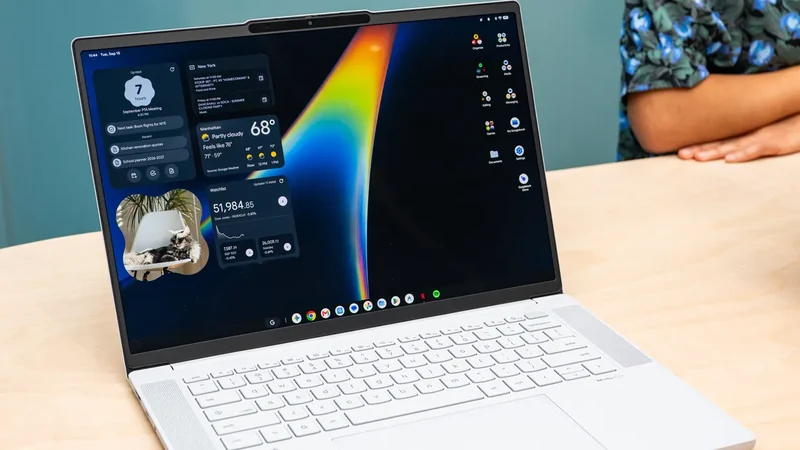
Google's Googlebooks Aim to Bridge Android Phones and Laptops
Google's first Googlebooks go on pre-order October 4, promising deeper Android phone integration, AI tools, and a new Android-based foundation.
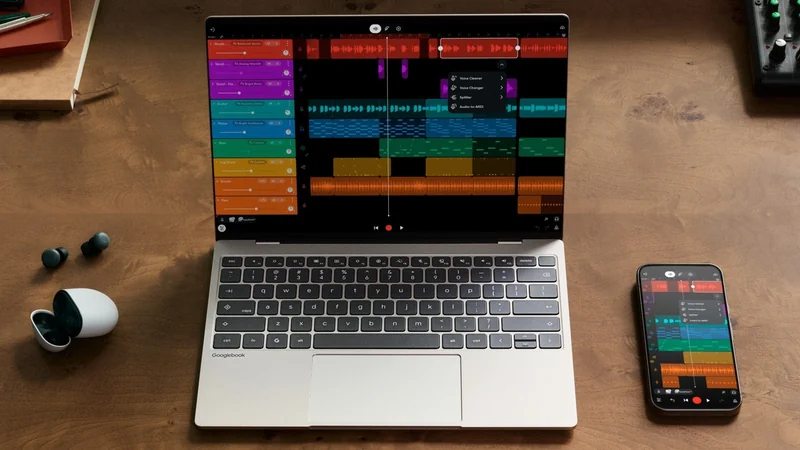
Google Launches Googlebook Laptops for Android Users
Google has officially unveiled Googlebooks, a new line of laptops designed to provide seamless connectivity and synergy with your Android smartphone.
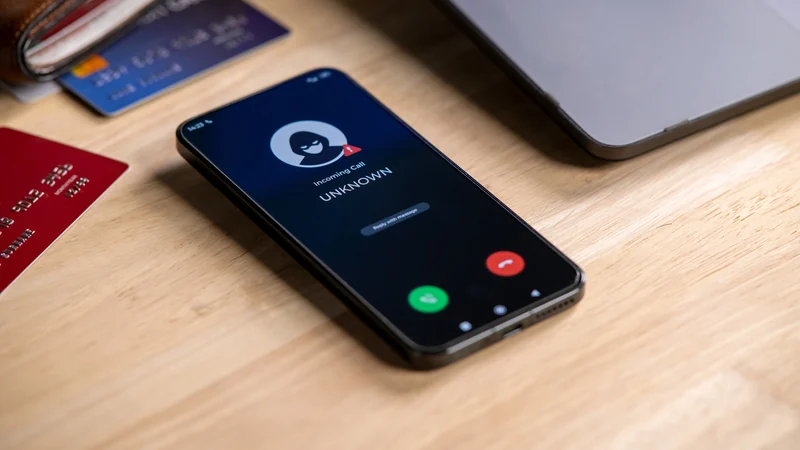
How to Block and Unblock Numbers on Your Android Phone
Tired of spam? Learn how to effectively manage your block list on Android phones, including specific steps for Samsung and Google Pixel devices.
Gmail Adds ‘Copy Code’ Shortcut for 2FA on Android & iOS
Gmail introduces a new 'Copy code' button for two-factor authentication on mobile, allowing users to quickly copy codes directly from their inbox.