Revisiting the Pixel 5 and How It Handled a Tough Year
Released during a remarkably difficult period for the industry, the Google Pixel 5 represented a unique exercise in compromise that managed to age quite well.
 Radwan AbdulhadiEditor and technology writer

Navigating a Difficult Era for Smartphones
Back in 2020, the Google Pixel lineup faced a remarkably tough spot. A flailing flagship with one of its central features effectively ruined by a global pandemic, combined with massive supply shortages, meant that grand plans for the future were placed firmly on hold. It was always going to be a difficult year to launch a new smartphone, but looking back, the Google Pixel 5 deserves credit for making the absolute best of a difficult situation.
When the device was first evaluated, reviewers called it an exercise in compromise. That summary fits the device quite nicely, perhaps even more accurately than initial impressions suggested at the time.
Unusual Design Choices and Core Fundamentals
On the surface level, the phone felt like a peculiar step forward following the Pixel 4 series. It featured a much less powerful chipset wrapped inside a plastic bio-resin material that replaced traditional metal and glass builds, which was completely out of the ordinary for a flagship-tier smartphone offering.
Despite these unconventional choices, the hardware successfully addressed several failings of the Pixel 4 by restoring a physical fingerprint sensor, incorporating a significantly larger battery, and establishing a more familiar feel compared to the prior year's aggressive design swings.
Aging Gracefully Through Durable Materials
While it was always odd to classify the device as a true flagship given its mid-range performance profile, it successfully nailed down the fundamental aspects of its hardware design. The build feels uniquely pleasant to hold. Where the plastic Pixel 4a featured virtually the same design, the resin material used on the Google Pixel added extra grip while maintaining a slightly more premium texture.
In an era where modern hardware heavily relies on shatterable glass and heavy metal construction, utilizing a durable, practical material like bio-resin looks remarkably refreshing in hindsight.
Development Background and Shifting Plans
Ultimately, the smartphone was a device that did not quite fit traditional molds. While the complete details surrounding its development remain largely unknown, industry speculation suggested that Google originally intended for custom Tensor silicon to debut around this timeframe, rather than launching a year later with the Pixel 6 series.
Evidence uncovered later suggested that chip transition plans were complex, but even without a radical silicon change ready for the launch, the hardware was born out of a rough series of circumstances and ultimately turned out quite capable.
Sources
- 9to5GoogleThe Pixel 5 doesn’t get enough credit for making the best of a bad situation
Continue chronologically

Related entity coverage
Related stories
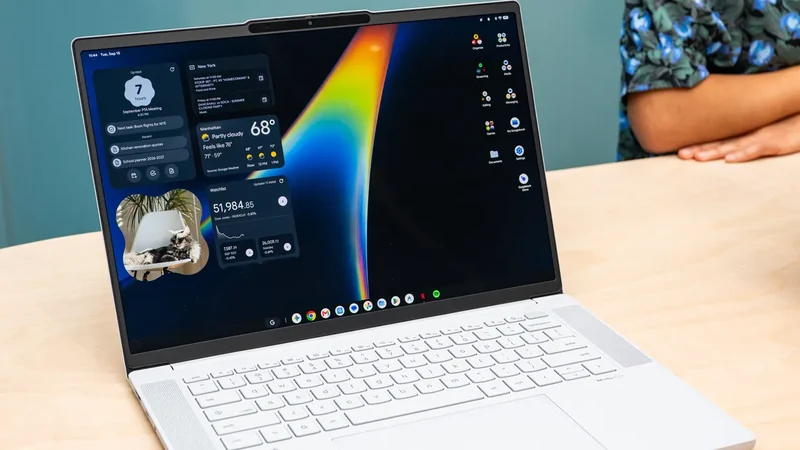
Google's Googlebooks Aim to Bridge Android Phones and Laptops
Google's first Googlebooks go on pre-order October 4, promising deeper Android phone integration, AI tools, and a new Android-based foundation.
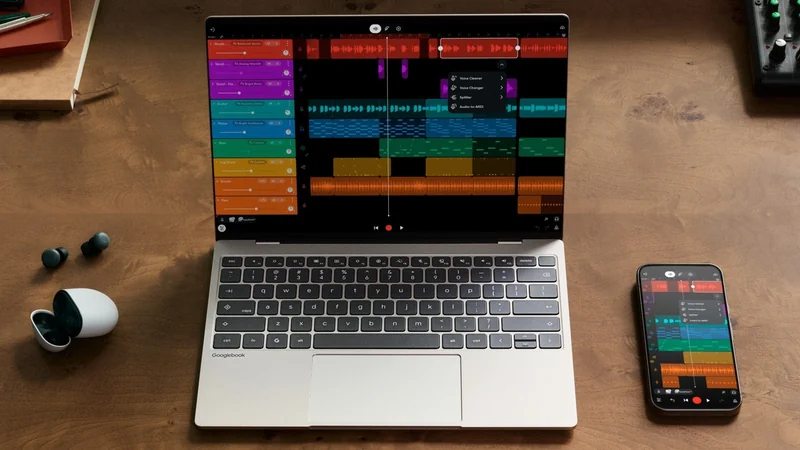
Google Launches Googlebook Laptops for Android Users
Google has officially unveiled Googlebooks, a new line of laptops designed to provide seamless connectivity and synergy with your Android smartphone.
Gmail Adds ‘Copy Code’ Shortcut for 2FA on Android & iOS
Gmail introduces a new 'Copy code' button for two-factor authentication on mobile, allowing users to quickly copy codes directly from their inbox.
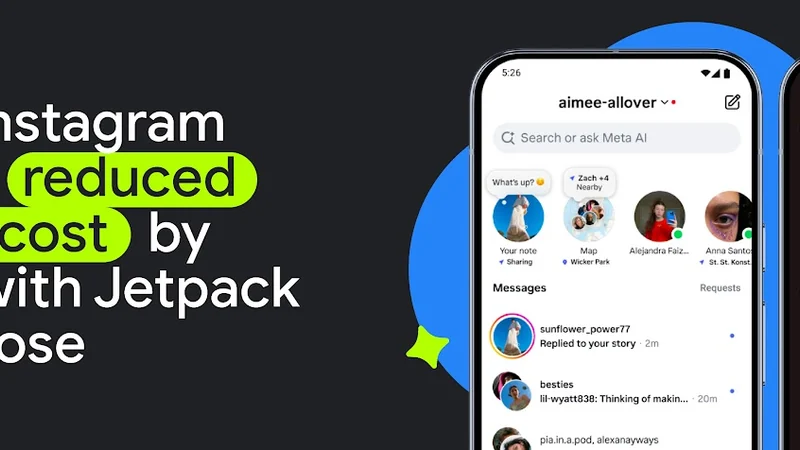
Instagram Direct Builds AI-Native UI with Jetpack Compose
Instagram Direct engineers rebuilt their Android UI architecture using Jetpack Compose, cutting token costs by 33% and codebase size by 50%.