SpaceX Moves to Challenge AT&T, Verizon, and T-Mobile
SpaceX is positioning itself to become a major wireless carrier, securing multi-billion-dollar spectrum assets and regulatory approval to build out a competitive network.
 Radwan AbdulhadiEditor and technology writer
An Ambitious Push into Telecommunications
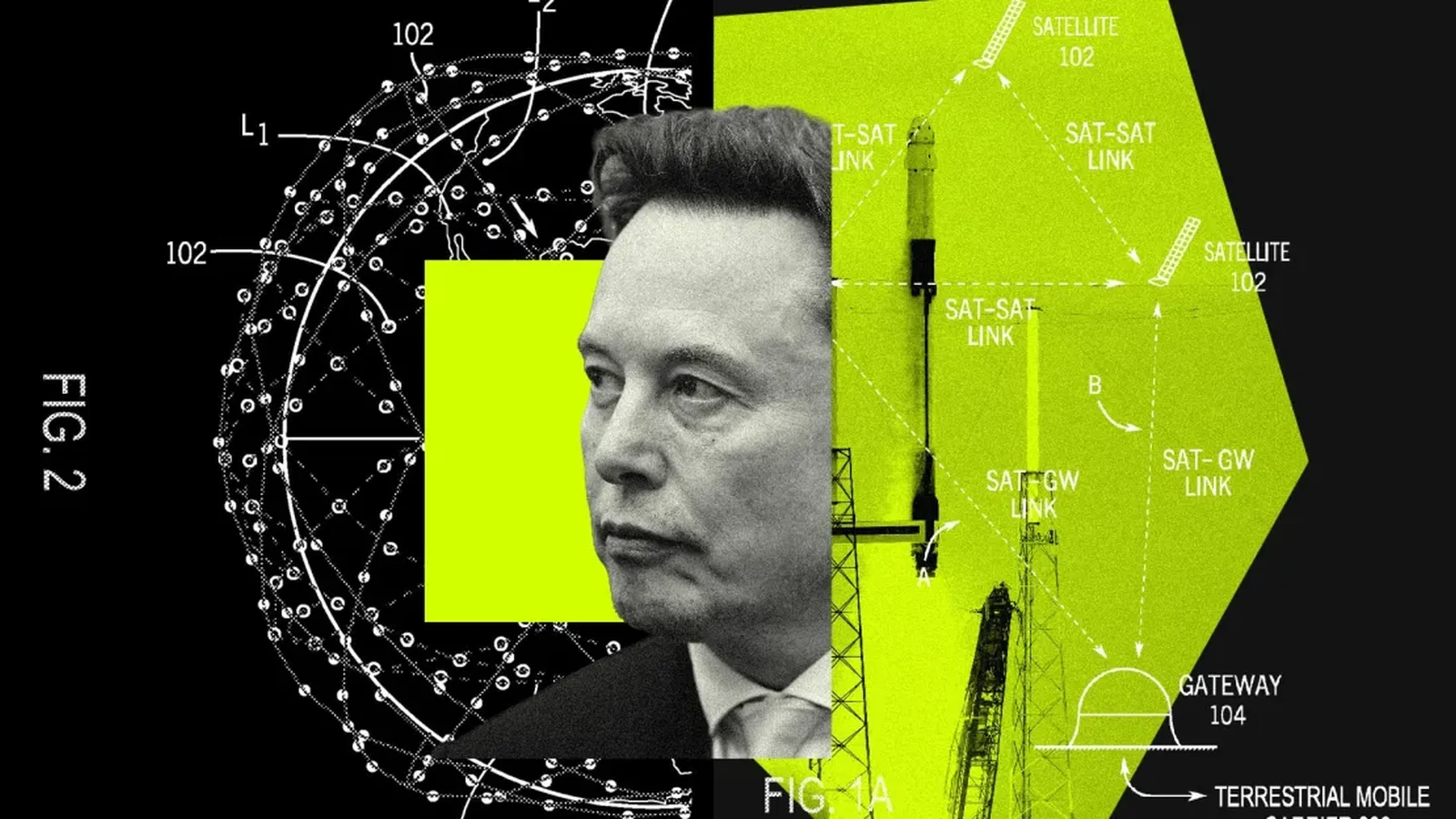
SpaceX is pursuing an ambitious and costly strategy to challenge established telecommunications giants AT&T, Verizon, and T-Mobile. The aerospace company has recently announced a plan to become a major wireless carrier, utilizing newly acquired low-band spectrum to construct an advanced mobile network.
Industry observers and telecommunications analysts have closely monitored these developments. While satellite broadband has become a core business for SpaceX through Starlink, expanding into mobile telephony represents a significant escalation in scope. The move signals a direct entry into the trillion-dollar enterprise value business of domestic and global mobile communications.
Multi-Billion-Dollar Spectrum Acquisitions
The foundation of SpaceX's telecom expansion relies on significant financial investments in wireless spectrum. Last year, the company agreed to purchase close to $20 billion worth of EchoStar spectrum to bolster its capabilities.
Building upon those initial transactions, SpaceX further expanded its holdings by securing additional assets. The company bought 800 Mhz spectrum for $8 billion, targeting resources that have been traded across the telecom industry for decades.
The Necessity of Terrestrial Infrastructure
While satellites can deliver broadband connectivity to roof-mounted dishes, connecting directly to mobile phones presents unique physical limitations. Mobile devices lack the high power output of stationary terminals, and signals face attenuation when users travel indoors.
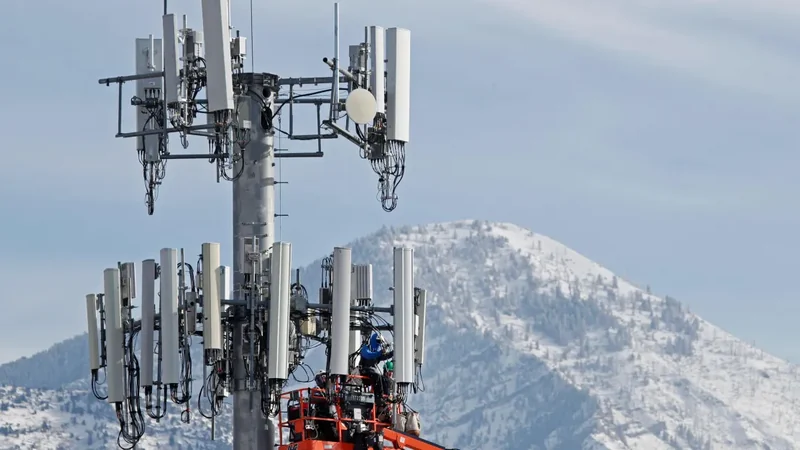
To bridge this gap, technical assessments of regulatory filings indicate that satellites alone cannot sustain reliable mobile coverage without supplementary ground infrastructure. Low-band spectrum travels further and penetrates buildings more effectively, making it essential for building a robust terrestrial network to support direct-to-device satellite services.
Regulatory Green Lights and Future Competition
The broader strategy has also gained momentum on the regulatory front. Federal regulators approved the deployment of 15,000 next-generation Starlink satellites, clearing a major hurdle for space-based infrastructure deployment.
As SpaceX secures these critical assets and regulatory clearances, traditional carriers face a novel competitive threat. Because existing major carriers are unlikely to offer favorable wholesale agreements, constructing an independent terrestrial footprint gives SpaceX the autonomy required to establish itself as a viable fourth carrier.
Navigating the Telecom Landscape
The telecommunications sector has historically seen many ambitious pivots and failed acquisitions due to the sheer cost of building out physical networks. However, the accumulation of historical spectrum assets—such as the legacy Nextel frequencies—demonstrates a calculated approach by Elon Musk's enterprise.
Market reactions reflect a growing consensus that the initiative is moving past experimental phases into tangible deployment. Analysts continue to evaluate how this multi-layered network of low-earth-orbit satellites and ground assets will reshape consumer options against traditional telecom incumbents.
Sources
- The VergeSpaceX’s ambitious, expensive gamble to replace AT&T, T-Mobile, and Verizon
Continue chronologically

Related stories
Starlink Spectrum Deal Boosts Mobile Plans
SpaceX agrees to purchase nationwide 800 MHz low-band spectrum from Grain Management to support its planned terrestrial mobile network and Starlink Mobile service.

SpaceX Eyes 80,000 Cell Sites in Major Mobile Carrier Push
SpaceX is reportedly planning to tap into at least 80,000 cell sites as part of its push to compete directly with Verizon, AT&T, and T-Mobile.
SpaceX Announces Plan to Become a Major Mobile Carrier
SpaceX acquires low-band spectrum licenses to transform Starlink Mobile into a major US carrier, challenging traditional cellular providers.

SpaceX Unveils Plans to Become a Major Mobile Carrier
SpaceX has announced plans to become a major mobile carrier through a strategic low-band spectrum acquisition pending regulatory approval.