Samsung Confirms iPhone Duo Boosts Galaxy Z8 Sales
Samsung's latest European sales data and search metrics indicate that Apple's entry into the folding phone market is driving massive renewed consumer interest in Android alternatives.
 Radwan AbdulhadiEditor and technology writer
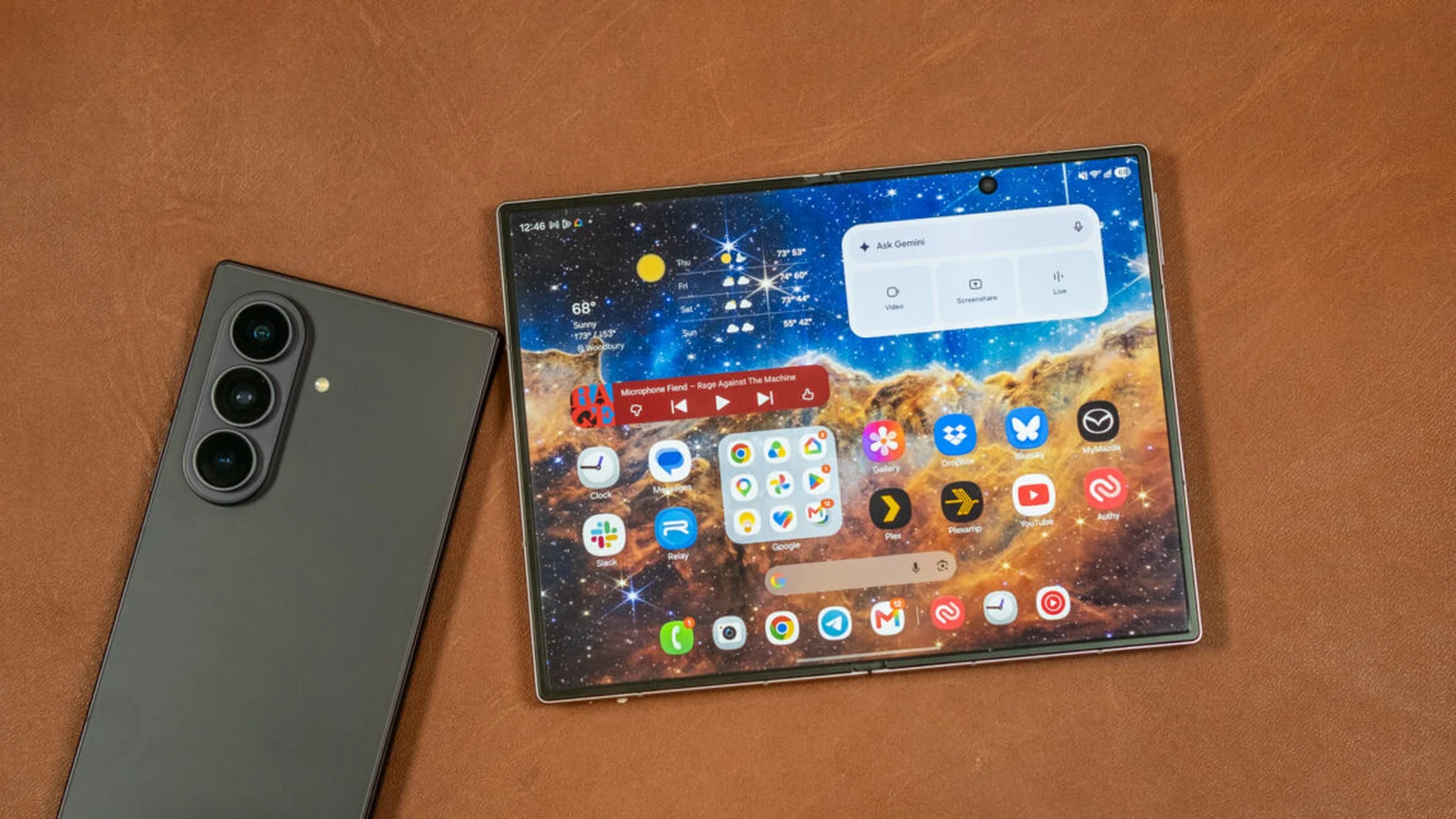
The Apple Effect on Foldable Sales
Android-powered foldable phones have been available for years, but mainstream consumer attention largely lagged behind traditional slab smartphones. That dynamic appears to be shifting now that Apple has entered the folding market. Analysts previously speculated that Samsung’s Z8 foldables were seeing a tangible commercial boost from Apple's announcement, and recent corporate disclosures all but confirm that trend.
In a newly published blog post, Samsung UK highlighted that its 2026 foldable lineup is moving significantly faster than last year's hardware. Combined European sales for the Galaxy Z Fold 8 and Galaxy Z Fold 8 Ultra have risen by 45 percent compared to the previous generation Galaxy Z Fold 7.
Spike in Regional Search Volumes
While Samsung did not explicitly mention Apple or its competing device by name in its official European press release, the timing of consumer interest paints a clear picture. Search volume for the Z8 series across Europe skyrocketed by 460 percent during the week of September 6 to 12. Apple officially took the wraps off its new hardware during that exact window.
Furthermore, search traffic for the core device throughout the entire month of September—spanning the official launch window—climbed by 260 percent. Meanwhile, Samsung chose not to highlight Z Flip 8 sales metrics, suggesting flat growth likely driven by the fact that Apple did not release a competing flip-style device.
Global Momentum and Wider Form Factors
The European figures align closely with earlier global metrics. Samsung noted last month that US preorders for the Galaxy Z8 series trended 30 percent higher than last year's releases. These performance metrics mesh directly with third-party supply chain reports indicating that Samsung was actively ramping up foldable manufacturing to meet demand.
A notable focus of this manufacturing push has been the wider hardware configuration. The company previously unveiled its latest generation hardware, showcasing a broader aspect ratio designed to tackle traditional pain points of earlier folding screens. Larger foldables have historically accounted for roughly 80 percent of the company's foldable purchases.
Evolution of the Folding Form Factor
Samsung originally entered the foldable space back in 2019 as the primary hardware maker pursuing the unorthodox design. Early models were frequently criticized as clunky engineering exercises rather than daily drivers. Over successive hardware generations, component quality and durability gradually improved, laying the groundwork for broader consumer adoption.
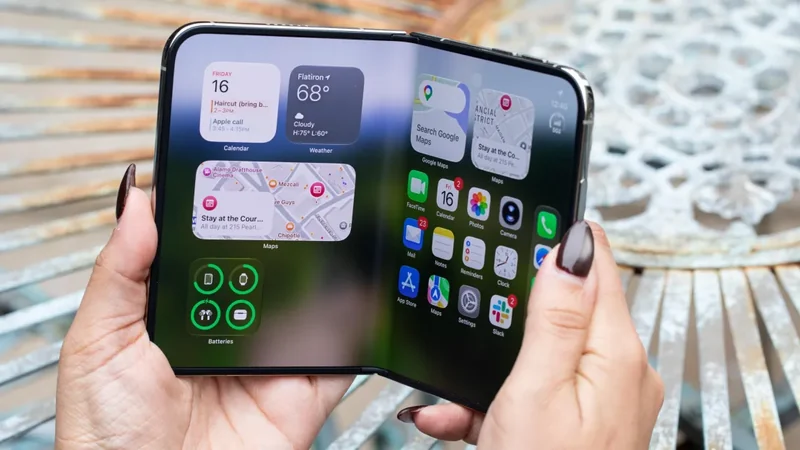
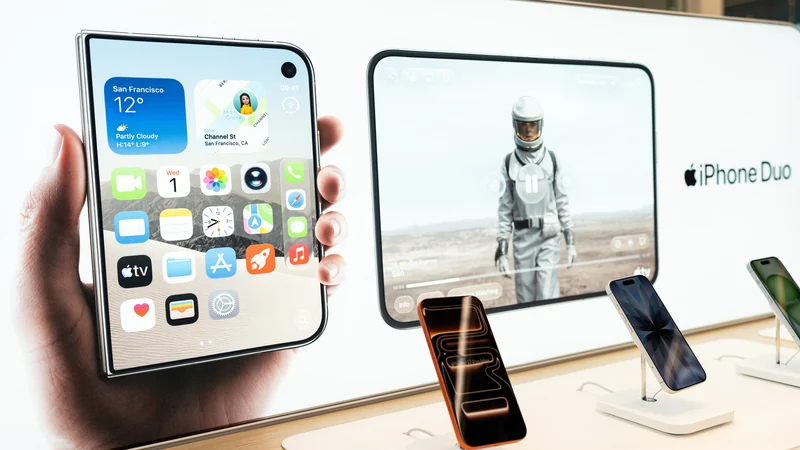
The debut of Apple's long-rumored device has fundamentally changed the market landscape by validating the category for mainstream buyers. Apple's folding phone relies heavily on shared supply chain components, including displays manufactured by Samsung, proving that the technology has matured into an industry-wide standard.
Pricing Pressures Across the Industry
Despite surging interest, folding phones remain a luxury investment. High retail pricing continues to be a major barrier, with top-tier foldables typically hovering near the $2,000 threshold. However, concurrent price hikes across traditional flagship slab phones from major manufacturers have narrowed the financial gap between standard and folding devices.
Apple entered the market with a relatively competitive price point for its foldable, matching Samsung's wider flagship offering, which has also seen occasional retail discounts since its initial market launch. As competition heats up, broader hardware adoption and shifting consumer habits are expected to drive further evolution across the mobile market.
Sources
- Ars TechnicaSamsung all but confirms iPhone Duo is goosing Galaxy Z8 sales
Continue chronologically
Related entity coverage
Related stories
iPhone Duo Software Restricts Display Unlike Galaxy Z Fold 8
Apple’s first wide foldable, the iPhone Duo, faces software criticism over a restricted small display, contrasting with the Samsung Galaxy Z Fold 8.
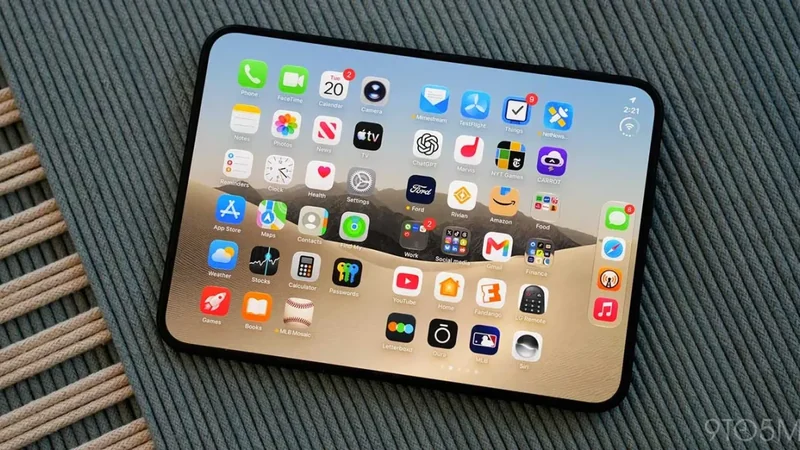
Finding the Android Equivalent to the New iPhone Duo
Explore how the iPhone Duo compares to major Android foldables from Samsung, Google, and Motorola in display size, cameras, durability, and price.
Samsung Galaxy Z Fold 8 Sees Surge in Demand After iPhone Duo Launch
Samsung reports a 16% increase in Galaxy Z Fold 8 demand and 300% spike in search interest following Apple's iPhone Duo release, boosting foldable market visibility.
iPhone Duo vs Pixel 11 Pro Fold: Foldable Flagship Comparison
Compare Apple's iPhone Duo and the Google Pixel 11 Pro Fold across screens, cameras, design, and performance to see how these foldables differ.