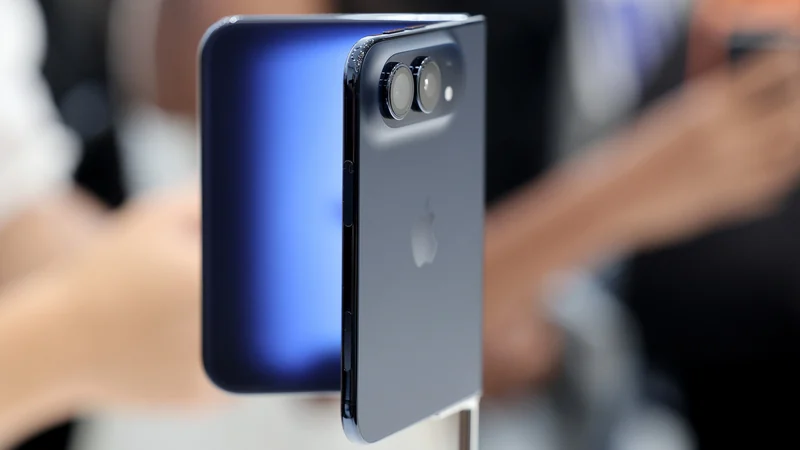
Android Foldables Get Tent Mode App Inspired by iPhone Duo
As Apple's recent device reaches early customers, Android developers are quickly rolling out apps that emulate the tent mode and StandBy features for book-style foldables.
 Radwan AbdulhadiEditor and technology writer
Android Developers Respond to iPhone Duo Launch
As Apple’s newly released iPhone Duo starts to land in the hands of early customers, developers in the mobile ecosystem are wasting no time introducing copycat applications for the most notable features of the new hardware. Among these features is the device's distinctive tent mode, which has quickly inspired similar functionality on Android foldables. While the concept of showing information while positioned in a tent or stand configuration is not entirely brand new to the Android ecosystem, the widespread attention garnered by Apple’s implementation has catalyzed fresh third-party development.
Historically, features of this nature have seen limited native integration across book-style folding devices. For instance, the Motorola Razr Fold is among the very few book-style foldables featuring this capability built directly into its always-on display, while Google's Pixel lineup offers similar functionality but only while charging. Consequently, the arrival of independent applications targeting this gap highlights how cross-pollination between different mobile platforms continues to drive innovation and alternative user choices in the folding device market.
Introducing 'Foldy' for Android Foldables
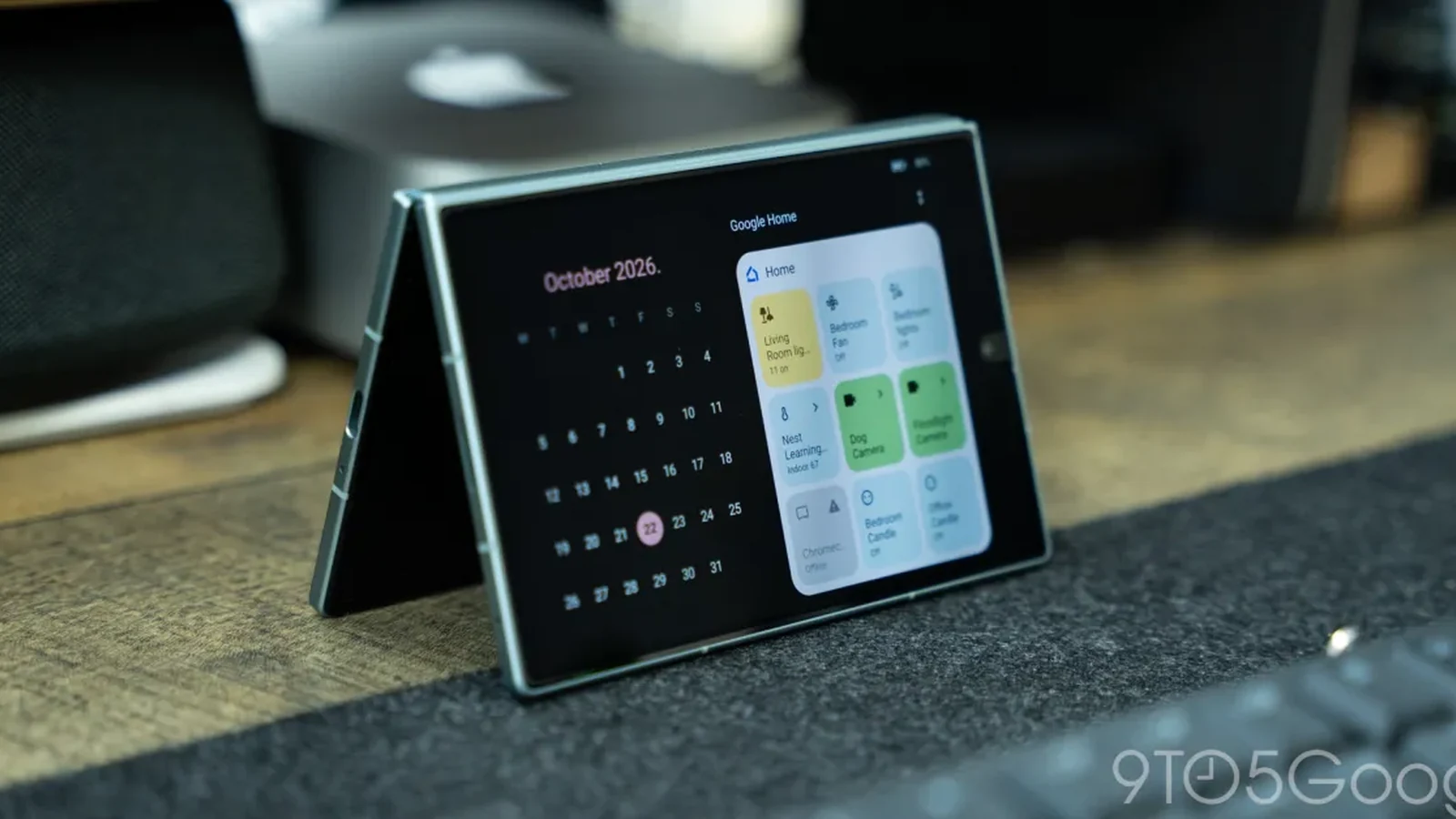
The primary application driving this trend on Android foldables is an app known as “Foldy.” Designed to bridge the feature gap, Foldy delivers an experience that closely mirrors the iPhone Duo’s tent mode StandBy functionality. The software is free to download and use initially, though it utilizes a freemium model that requires a premium unlock priced at 90 cents per month or nine dollars for a lifetime license in order to access its most advanced capabilities.
When tested on hardware such as the Samsung Galaxy Z Fold 8, the application rapidly transforms a standard folding device into a functional dual-pane hub. Instead of remaining idle, the secondary screen or angled display real estate can display essential information including the current date, time, and upcoming data pulled directly from the user's calendar. This implementation aims to maximize the utility of folding screens when they are propped up on a desk or nightstand.
Widget Integration and Automatic Activation
Beyond basic clock and calendar displays, Foldy introduces deeper customization by allowing users to turn virtually any standard Android widget into an interactive pane. This capability opens up a wide array of practical use cases, ranging from smart home management via Google Home controls to rapid access for various music streaming applications. By letting users choose their preferred widgets, the software goes beyond a simple static screen saver to create a dynamic secondary dashboard.
Furthermore, the application features a dedicated training mechanism. Users can train the app to accurately recognize the physical orientation and state of their device. Once configured, the software reliably detects when the folding phone is placed partially open and positioned on its side, automatically triggering the StandBy clone interface as soon as all environmental and physical conditions are met without requiring manual toggling from the user.
Broader Ecosystem Trends and Alternative Apps
The emergence of Foldy is part of a broader wave of developer creativity inspired by recent Apple releases. Another notable example is “Foldman,” an application engineered to turn a folding smartphone into a vintage Walkman-style cassette player interface. This app mirrors similar concepts gaining traction following the iPhone Duo launch, but includes distinct additions such as native YouTube Music integration to appeal to modern streaming subscribers.
Industry observers note that the increasing popularity of folding devices has been mutually reinforced by these cross-platform software developments. For instance, market discussions highlight how manufacturers like Samsung report sustained hardware momentum in devices such as the Galaxy Z Fold 8, partially tied to the heightened mainstream visibility that form factors receive following major industry product cycles.
Looking Ahead for Android Foldables
The rapid appearance of these copycat applications demonstrates the dynamic nature of the Android software ecosystem, where independent developers quickly iterate on novel hardware concepts popularized by competitors. Rather than viewing these applications as mere imitations, analysts and enthusiasts suggest that Apple's entry into the foldable product category serves as a powerful catalyst for expanding the overall software library available to folding phone users.
As more consumers adopt book-style folding hardware and hardware shipments continue to grow, the demand for specialized desk modes, ambient displays, and customized widget hubs is expected to rise. The success of utilities like Foldy and Foldman signals that specialized software tailored specifically to the unique physical geometries of folding screens will likely remain a vibrant area of mobile application development moving forward.
Sources
- 9to5GoogleSomeone built iPhone Duo’s tent mode for Android foldables, but made it even better
Continue chronologically
Related entity coverage
Related stories
Finding the Android Equivalent to the New iPhone Duo
Explore how the iPhone Duo compares to major Android foldables from Samsung, Google, and Motorola in display size, cameras, durability, and price.
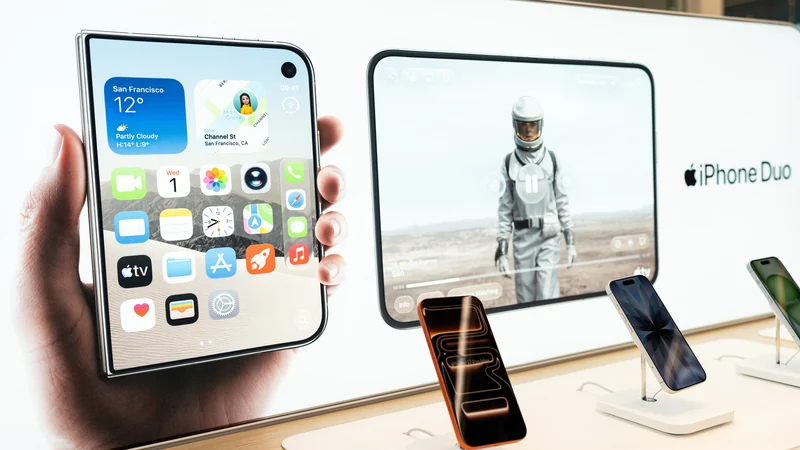
iPhone Duo Packs Bigger Battery Than Fold 8 and Pixel Fold
Apple's iPhone Duo features a larger battery capacity than competitors like the Galaxy Z Fold 8 and Pixel 11 Pro Fold, according to EU energy labels.
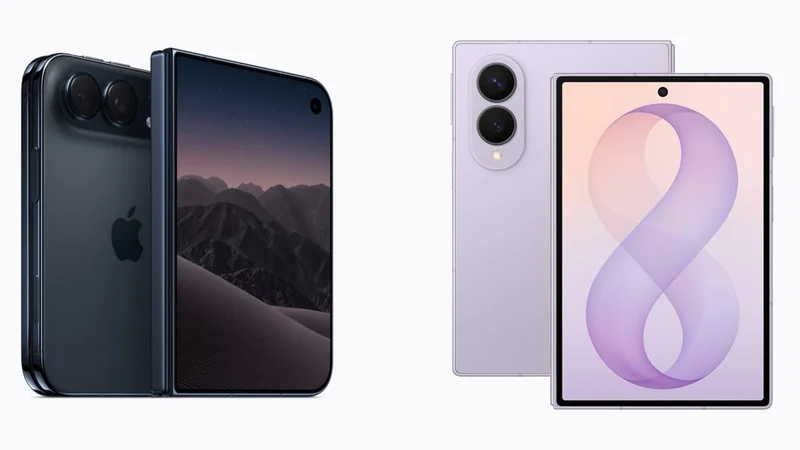
iPhone Duo Orders Delayed to 2027: Top Android Alternatives
Pre-orders for Apple's iPhone Duo faced massive delivery delays into 2027 within hours, prompting a look at top Android foldable alternatives.
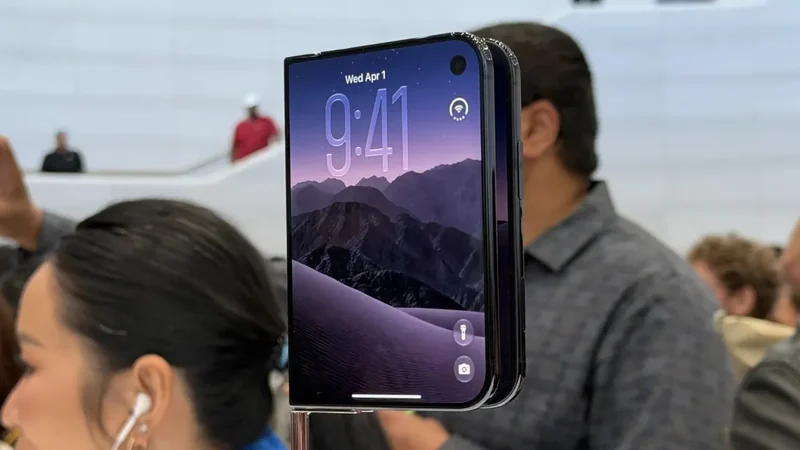
Non-US brands challenge the iPhone Duo with foldables
Explore how Xiaomi, Oppo, Samsung, and Motorola are competing against the iPhone Duo with unique foldable smartphone designs and features.