iPhone Pro Pricing: Comparing 2019 and 2026 Costs
A look at how Apple's flagship Pro smartphone pricing has shifted over the years, comparing the original launch cost to current market rates.
 Radwan AbdulhadiEditor and technology writer
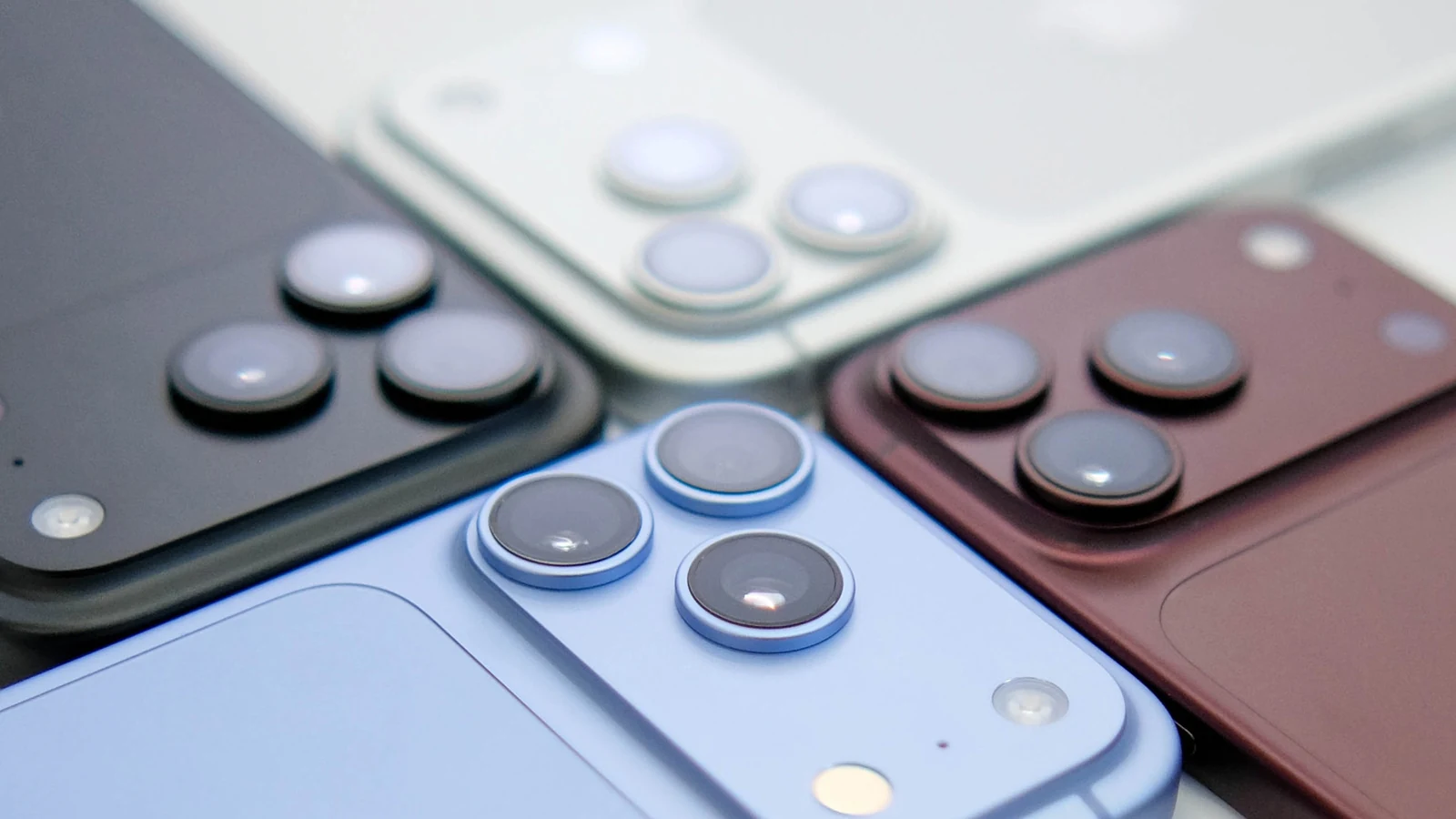
The Evolution of Apple's Flagship Pro Lineup
Over the past seven years, Apple has introduced several key features to its mobile devices, ranging from high refresh rates and MagSafe accessories to the widespread adoption of the USB-C port. Smartphone cameras and processors have also steadily improved, establishing these devices as major powerhouses. To understand how pricing has shifted, a look back at the original device provides clear context.
The first Pro-branded smartphone from Apple was the iPhone 11 Pro, which debuted in 2019 with a starting price of $999 for its 64 GB variant. Matching the cost of the earlier iPhone XS, that model introduced a triple camera system featuring wide, ultra-wide, and 2x telephoto lenses, alongside an upgraded Super Retina XDR OLED display that improved brightness and doubled the contrast ratio.
Examining the 2019 iPhone 11 Pro Specifications
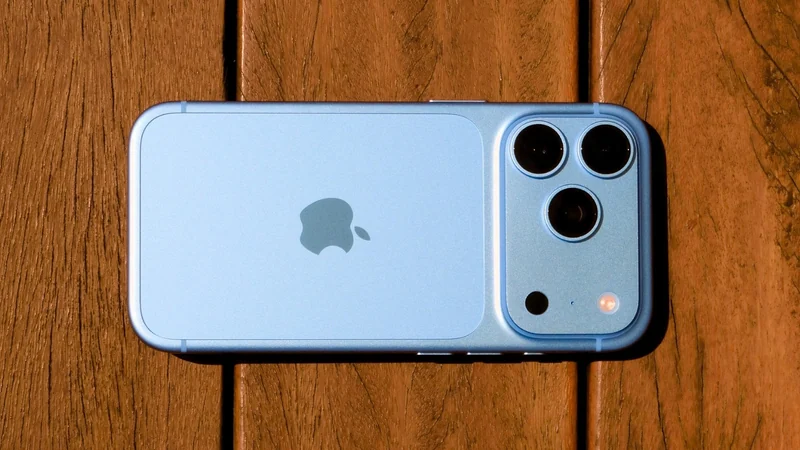
The 2019 model featured a single piece of milled glass with a matte finish and was made available in four distinct color options: space gray, midnight green, gold, and silver. It also incorporated the custom ultra-wideband wireless U1 chip to assist with device connectivity via AirDrop and asset tracking through AirTags.
By removing the 3D Touch layer, which previously enabled interactions based on pressing pressure, Apple successfully integrated a larger battery into the device. However, the phone retained the older Lightning connector port before the eventual transition to USB-C with the release of the iPhone 15 series years later.
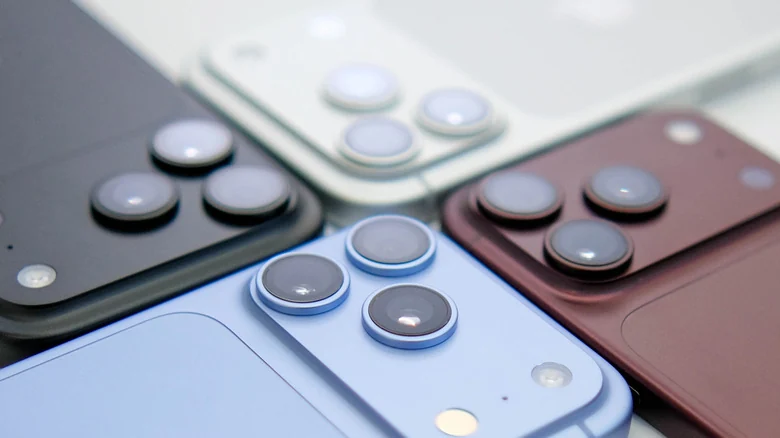
Current Pricing and Features of the iPhone 18 Pro
Fast forward to 2026, and the baseline pricing for Apple's flagship tier has risen. The iPhone 18 Pro is priced at $1,199 for the base 256 GB model, representing a $100 increase compared to the previous year and a $200 jump over earlier baseline iterations, though it ships with significantly higher storage capacity.
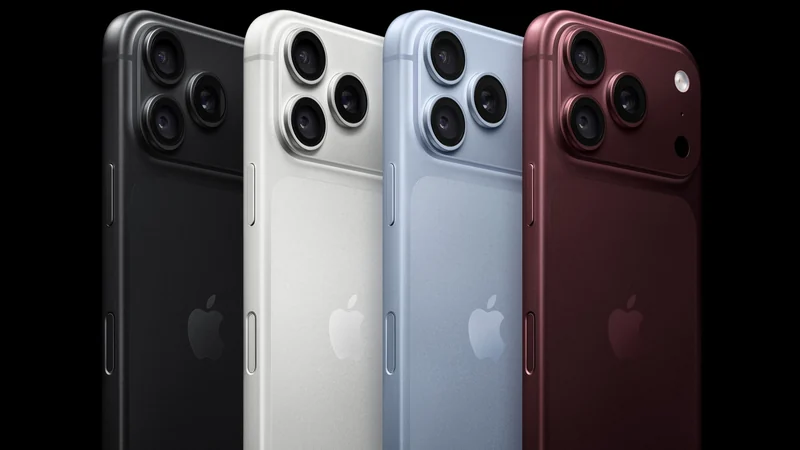
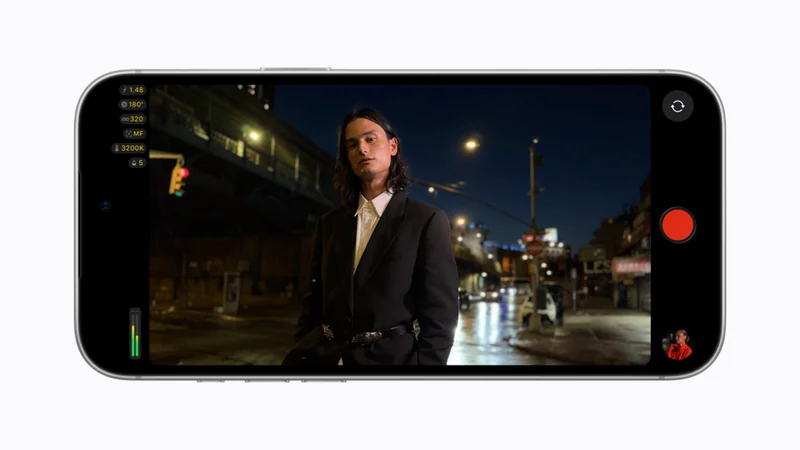
The updated hardware brings a faster 2nm A20 Pro processor, variable aperture controls for the main camera, a smaller Dynamic Island notch, and an integrated vapor chamber designed to sustain performance during intensive tasks. Additional updates include an in-house C2 cellular modem aimed at energy efficiency, alongside Glacier Blue and Burgundy color options.
Broader Market Factors and Component Costs
The broader consumer technology sector has faced significant economic pressure due to high RAM and component prices, creating an environment where manufacturers have adjusted hardware costs upward.
These hardware adjustments are part of a wider trend impacting multiple product categories. Observers note that Apple price hikes have affected various devices across the ecosystem, reflecting ongoing supply chain and manufacturing pressures.
Sources
- EngadgetHere's how much the iPhone Pro cost in 2019 vs. 2026
Continue chronologically
Related entity coverage
Related stories
iPhone 18 Pro vs Pro Max: Display and Battery Differences
Compare the iPhone 18 Pro and iPhone 18 Pro Max displays, battery life capabilities, charging speeds, and shared core hardware specs.
iPhone 18 Pro Launches With Variable Aperture and Upgrades
Discover what to try first on the new iPhone 18 Pro, featuring a 48-megapixel variable aperture camera, smaller Dynamic Island, and faster charging capabilities.
Final Cut Camera 2.4 Brings Variable Aperture to iPhone 18 Pro
Apple releases Final Cut Camera version 2.4, adding variable aperture support for the iPhone 18 Pro and pro options alongside iOS 27.
Apple Unveils “What Holds Us” on iPhone 18 Pro
Apple’s “What Holds Us” exhibition brings together work by Alex Prager, Jack Davison, and Jimmy Chin, shot exclusively on iPhone 18 Pro.