Google Opens Applications for Android Registered App Stores Program
Google has officially opened applications for its international Android Registered App Stores program, setting the stage for a December launch that will bring streamlined app installations to third-party stores outside the United States.
 Radwan AbdulhadiEditor and technology writer
Program Launch and International Rollout
Managing an app ecosystem has grown increasingly complex for Google following its setbacks in the Epic Games antitrust litigation. While users in the United States gain access to alternative app stores directly inside Google Play by order of the court, international markets will rely on Google’s voluntary <a href="https://developer.android.com/registered-app-stores">Registered App Stores program</a>. Google has now announced that third-party stores wishing to participate can submit applications, with support slated to roll out to compatible devices later in the year.
App stores accepted into the framework will receive preferential treatment across the Android platform. Users of these approved stores will benefit from a single-click installation experience comparable to the Play Store. Additionally, these storefronts will be permitted to perform silent background updates, mirroring the capabilities of Google's native store.
A Google spokesperson noted that the initiative was introduced to offer third-party stores a streamlined method to reach users while upholding the safety and security of the broader Android ecosystem. Eligible storefronts outside the US can now apply ahead of the simplified installation experience reaching users.
Origins and US Exemption
The framework was originally developed as a strategic alternative following legal challenges. After losing its appeal regarding Judge James Donato’s verdict, Google faced several mandatory remedies, such as supporting third-party billing and sharing catalogs with rival platforms. The most significant shift ordered by the court was the distribution of rival storefronts directly within Google Play.
Although Google and Epic attempted to settle the case to give Google tighter oversight, the parties ultimately withdrew the settlement after the court indicated it would not receive approval. Consequently, alternative storefronts inside Google Play remain exclusive to the US market, where <a href="https://arstechnica.com/gadgets/2026/08/third-party-app-stores-are-rolling-out-in-google-play-but-theres-only-one-right-now/">Aptoide remains the only one listed</a>.
For international operators seeking inclusion, the enrollment process is officially open, allowing eligible storefronts to review guidelines and apply for certification outside the American market.
Strict Security and Compliance Requirements
Storefronts hoping to secure Google approval must satisfy a comprehensive list of <a href="https://developer.android.com/registered-app-stores/requirements">requirements</a>. These mandates include safeguarding intellectual property, swiftly removing illegal content, and publishing robust privacy policies for both end users and developers.
Google also enforces ongoing security measures to ensure that registered stores do not inadvertently provide malware with easier pathways onto Android devices. As part of the application process, operators must supply all necessary documentation in English along with complete copies of their application catalogs.
Participation carries a financial cost of $10,000 per year, which must be settled before Google initiates its review. According to the company, this fee covers the operational support required for the program. Additional review fees may apply if Google detects malware vulnerabilities or compliance issues during evaluations.
Geographic Reach and Device Limitations
Google intends to deploy support across <a href="https://developer.android.com/registered-app-stores/faq#geographic-regions-registered-app-store">dozens of nations</a>, encompassing most of the world outside the United States and Europe. The program officially goes live on December 1, 2026, but functionality will initially be restricted to Android devices running the newest software builds.
Support will begin with Android 17 QPR2, which is expected to reach Pixel devices shortly. Because Google does not sell Pixel hardware in many of the targeted regions, and because local device update cycles tend to be slower, a substantial number of active Android devices in supported countries may never receive an update compatible with the program.
Sources
- Ars TechnicaGoogle's Android Registered App Stores program launches Dec. 1, applications now open
Continue chronologically


Related entity coverage
Related stories
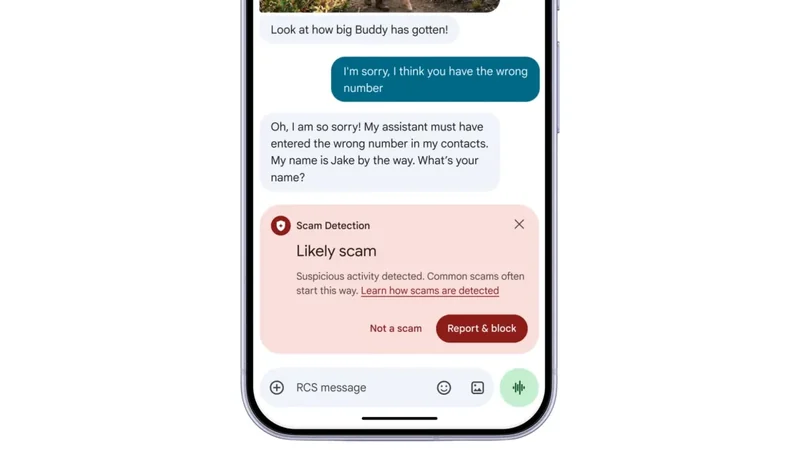
Google Messages Adds Enhanced Protection Mode for Android
Google is introducing an enhanced protection mode in Google Messages and new Android security features for Cybersecurity Awareness Month.
Google Releases October 2026 Android Updates Patching 25 Vulnerabilities
Google has rolled out its October 2026 Android security updates, patching 25 vulnerabilities across Framework and System components, including critical bugs.

Google Launches Android Motion Assist to Combat Motion Sickness
Google has officially launched Motion Assist for Android, bringing moving shapes to screens to help passengers combat motion sickness while riding in cars.

Google Rolls Out New AI Defenses on Android Against Scams
Google is rolling out new AI-powered defenses on Android to combat messaging scams, fake calls, and call-forwarding abuse on eligible devices.