Android Introduces Gemini AI Defenses to Google Messages
Google has announced a new suite of security and scam protection tools for Android, leveraging Gemini artificial intelligence to flag suspicious messages and malicious links.
 Radwan AbdulhadiEditor and technology writer
New Gemini AI Scam Protection in Google Messages
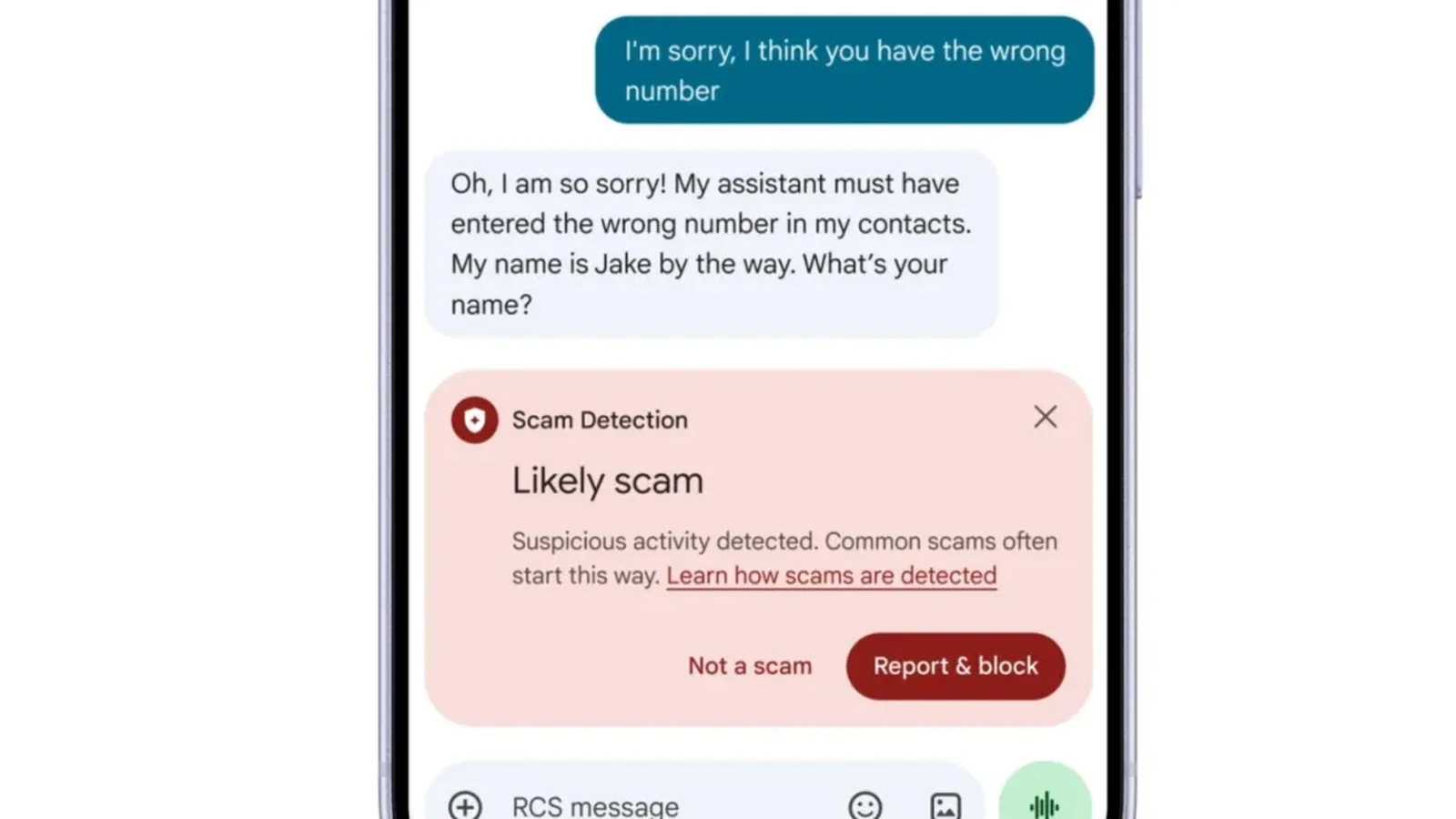
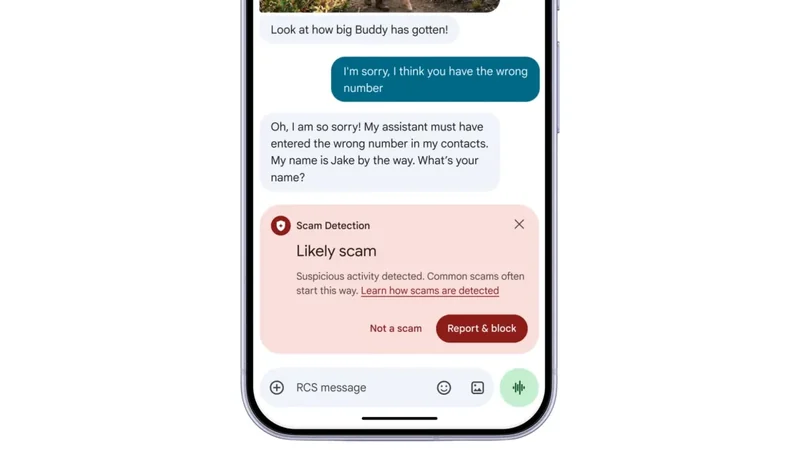
Android is introducing a series of advanced defense features designed to help users protect themselves against mobile fraud, highlighted by bolstered safety measures within Google Messages. Building upon existing safeguards, an upcoming opt-in "enhanced protection" setting will roll out in the coming weeks. According to [its update announcement](https://blog.google/security/new-android-scam-protections/), this tool taps into cloud-based Gemini AI models to analyze conversations involving unfamiliar senders and evaluate potential scammer intentions.
Google explained that scammers often use slow-burn conversations to hide their true motives. The secure cloud analysis functions to augment existing on-device detection mechanisms, enabling the identification of novel and sophisticated attacks while stopping bad actors attempting to cover their tracks. During this evaluation, user data remains encrypted and is processed inside a secure, dedicated space that neither Google nor anyone else can access.
On-Device URL Inspection and Expanded Notifications
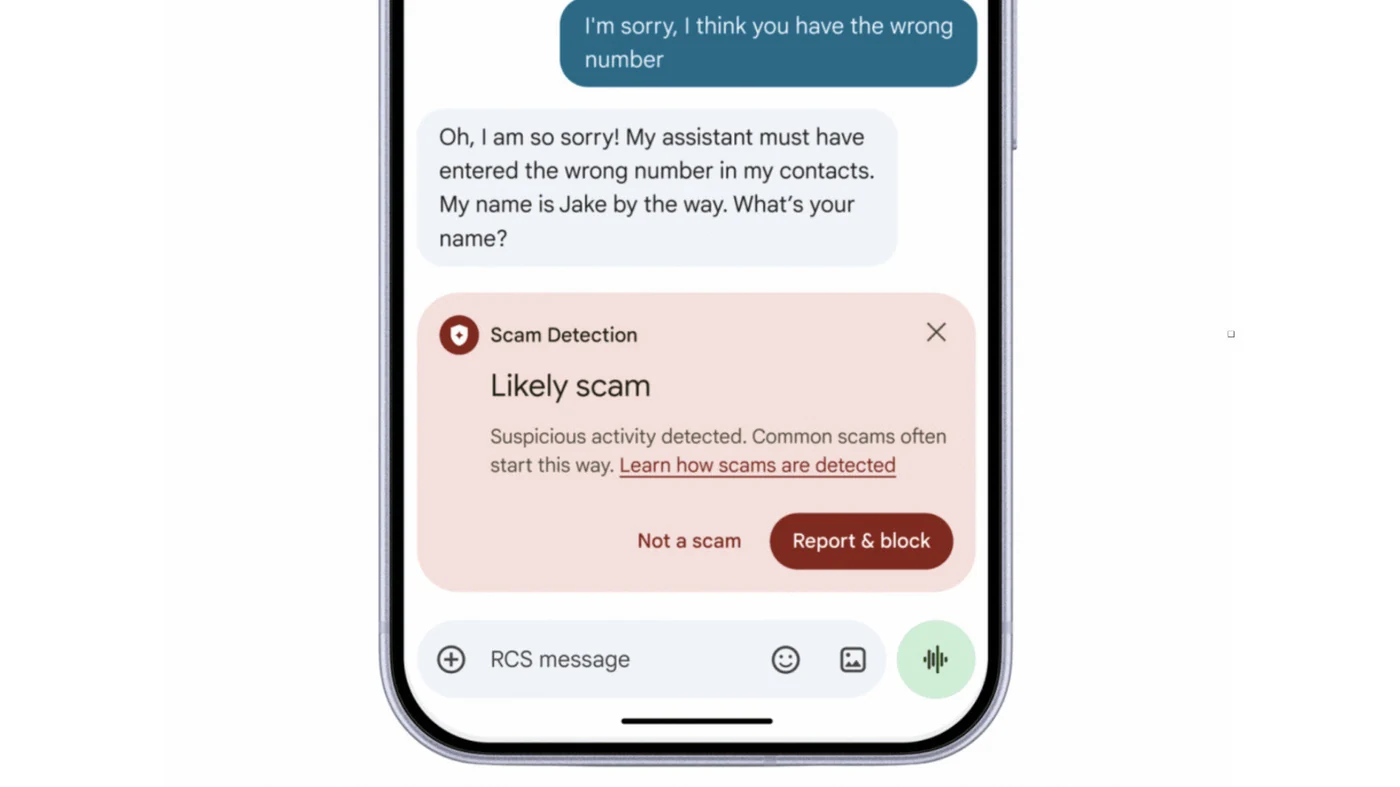
In addition to cloud analysis, the enhanced protection mode utilizes on-device Gemini Nano AI to inspect unfamiliar URLs in real-time before they are opened by the user, checking if the links are malicious. Google has also redesigned its scam warnings to provide additional context and a brief delay before users tap on links sent from numbers outside their contact lists.
Furthermore, the company is expanding the availability of the [scam detection feature for chat notifications](https://blog.google/products-and-platforms/devices/pixel/november-2025-pixel-drop/) that was originally introduced on Pixel devices. This notification-level protection is expanding to hardware partners including Honor, Motorola, Oppo, OnePlus, Realme, Tecno, Vivo, and Xiaomi, with plans to reach hundreds of millions of additional users later in the year.
Screen-Sharing Privacy and Call Forwarding Safeguards
Alongside messaging protections, Google is implementing automated privacy measures across devices running Android 15 and newer. Starting later in the month, devices will automatically conceal sensitive data such as passwords, banking details, and credit card security numbers whenever users share their screens with Chrome or Android WebView open.
Additional updates arriving in early December include call forwarding protection for Pixel and other select devices. This security measure prevents unauthorized applications from secretly enabling call forwarding in the background. It also alerts users if a bad actor attempts to trick them into typing short MMI forwarding codes to divert phone calls.
Call Verification Partnerships
Google has also targeted bank impersonation scams through a collaborative effort with partner banks in Brazil. Android performs an automated verification check on incoming phone calls to confirm their legitimacy. If a caller fails the verification check, the system automatically terminates the call and issues a warning to the user.
According to company figures, this feature has successfully blocked over three million fake phone calls since its initial launch. While Google has not yet specified a timeline for bringing this call verification tool to additional regions, the company stated that it intends to expand its collaboration with more partner banks in the future.
Sources
- The VergeAndroid is using AI to suss out scammers in Google Messages
- EngadgetAndroid will use Gemini to warn you about scammy messages
Continue chronologically


Related entity coverage
Related stories
Google Messages Rolls Out Enhanced Protection Against Scams
Google Messages for Android is rolling out an Enhanced Protection mode featuring cloud Gemini models and Private AI Compute to counter scams.

Google Messages Adds Enhanced Protection Mode for Android
Google is introducing an enhanced protection mode in Google Messages and new Android security features for Cybersecurity Awareness Month.
Google's Googlebooks Aim to Bridge Android Phones and Laptops
Google's first Googlebooks go on pre-order October 4, promising deeper Android phone integration, AI tools, and a new Android-based foundation.

Google Launches Googlebook Laptops for Android Users
Google has officially unveiled Googlebooks, a new line of laptops designed to provide seamless connectivity and synergy with your Android smartphone.