Working Cray-1 Supercomputer Replica Built Using 30 Mac Minis
Spain's Museo de Historia de la Computación has unveiled an 18-month-long project commemorating the 50th anniversary of the Cray-1 supercomputer and Apple's founding, using vintage Mac Minis to build a working replica.
 Radwan AbdulhadiEditor and technology writer
A Modern Tribute to a 1970s Computing Icon
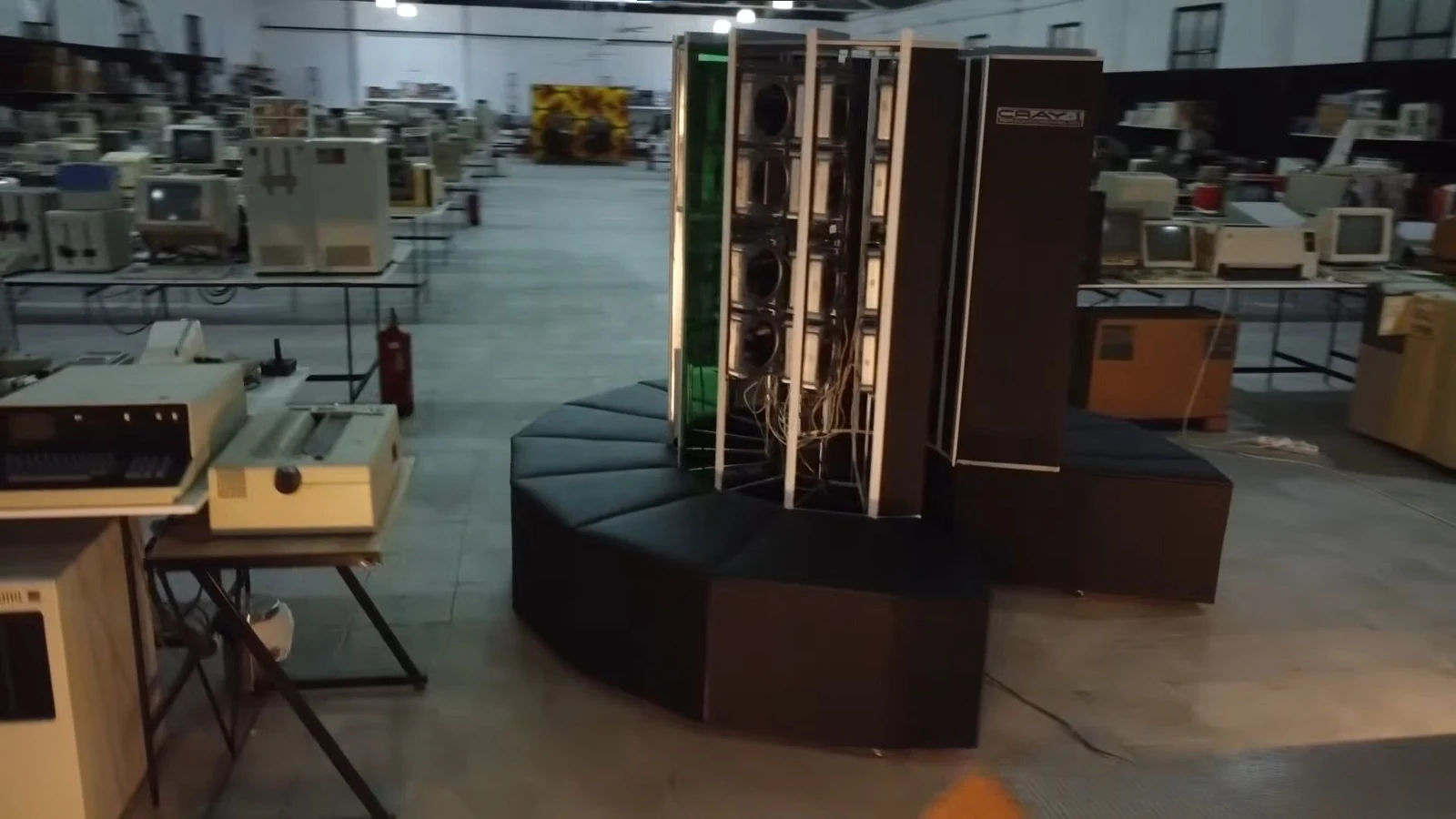
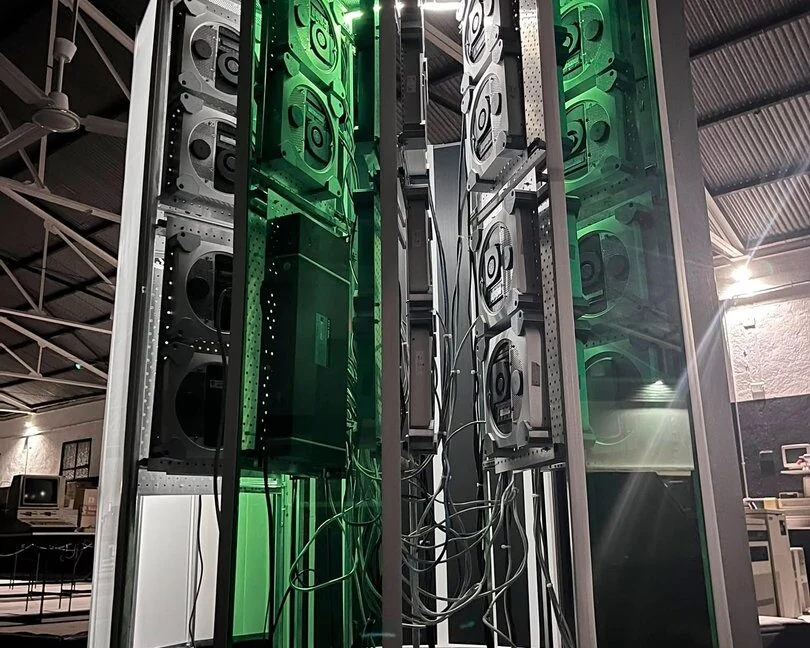
Spain's Museo de Historia de la Computación has completed an 18-month project to build a working 1:1 scale visual replica of the legendary Cray-1 supercomputer. According to reports from Tom's Hardware, the creative endeavor commemorates the 50th anniversary of both the Cray-1’s first operational use in Los Alamos and the founding of Apple.
The original Cray-1 debuted in 1976 and is widely regarded as the first commercially successful supercomputer, with 80 systems sold during its operational peak. Science and engineering institutions utilized the historic machine to analyze massive datasets for nuclear physics, weather prediction, aerodynamics, and structural analysis. Much of its early success relied on vector processing, a computing method that allowed the system to process chunks of numbers in parallel rather than handling tasks sequentially.
Hardware Composition and Performance
Instead of sourcing expensive contemporary components, the museum team powered the new replica using 30 obsolete Mac Minis. The hardware array consists of 25 dual-core Intel Core i5 units and five quad-core Intel Core i7 units dating primarily from 2012 to 2014. Together, these machines provide 70 processing cores capable of delivering a peak performance of 1.5 TeraFLOPS, representing a theoretical 9,375x performance increase over the original Cray-1's 160 MegaFLOPS.
Following a recent hardware failure where one quad-core machine went offline, the current reported peak performance sits at 1.3 TeraFLOPS across 64 active cores. Additional coverage from Ars Technica highlights that the museum benchmarked the cluster using a custom matrix-multiplication Python script to measure parallel processing capabilities.
Innovative Passive Cooling Design
While the original 1976 Cray-1 required an external network of refrigerant lines connected to 20-ton refrigeration compressors housed in a separate room, the replica takes a drastically different approach to thermal management. The museum team designed a passive convection cooling system utilizing a steel rack chassis and aluminum tray mounts.
By mounting the Mac Minis vertically, the tower functions as a natural thermal chimney. Hot air rises smoothly through the structure and exits via top grills without requiring loud mechanical server fans. Consequently, the cluster operates with near-silence, with the only noticeable noise originating from two gigabit Ethernet switches at the base of the unit. The museum intends to replace these switches with silent models to eliminate remaining audio output.
Software Architecture and Control Terminal
To coordinate the cluster without relying on a standard Linux distribution, the development team discovered that macOS Mojave met their project requirements. The operating system includes built-in support for MPI, enabling instructions to pass efficiently across all nodes for parallel computing workloads.
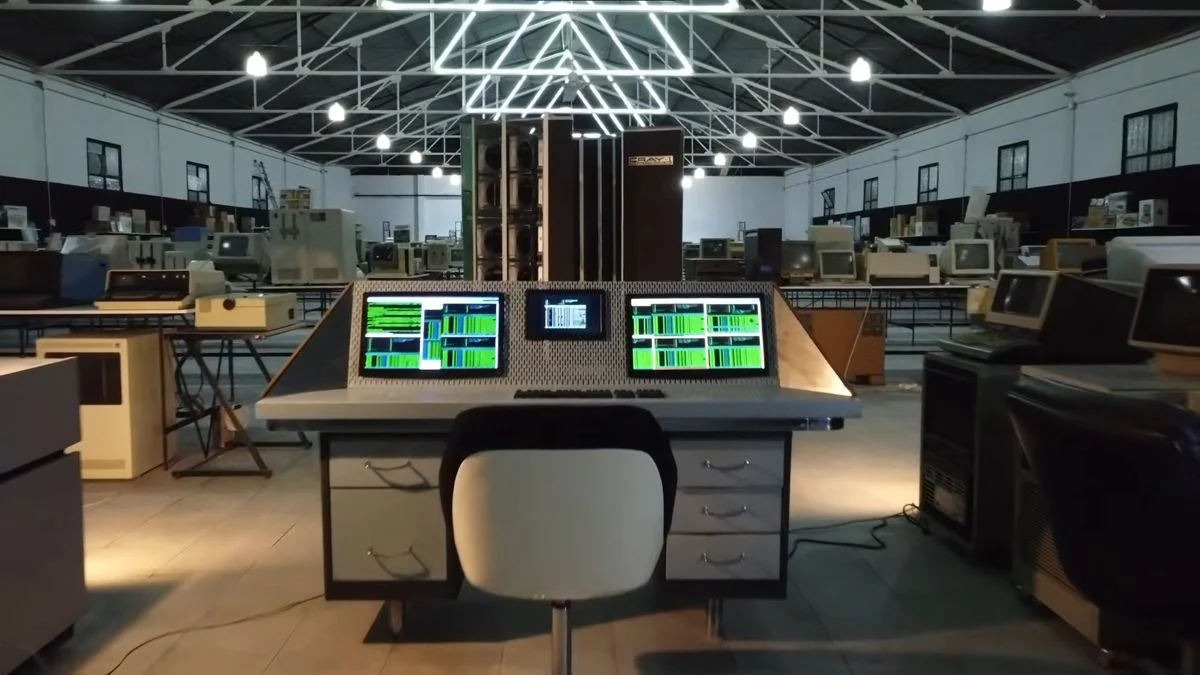
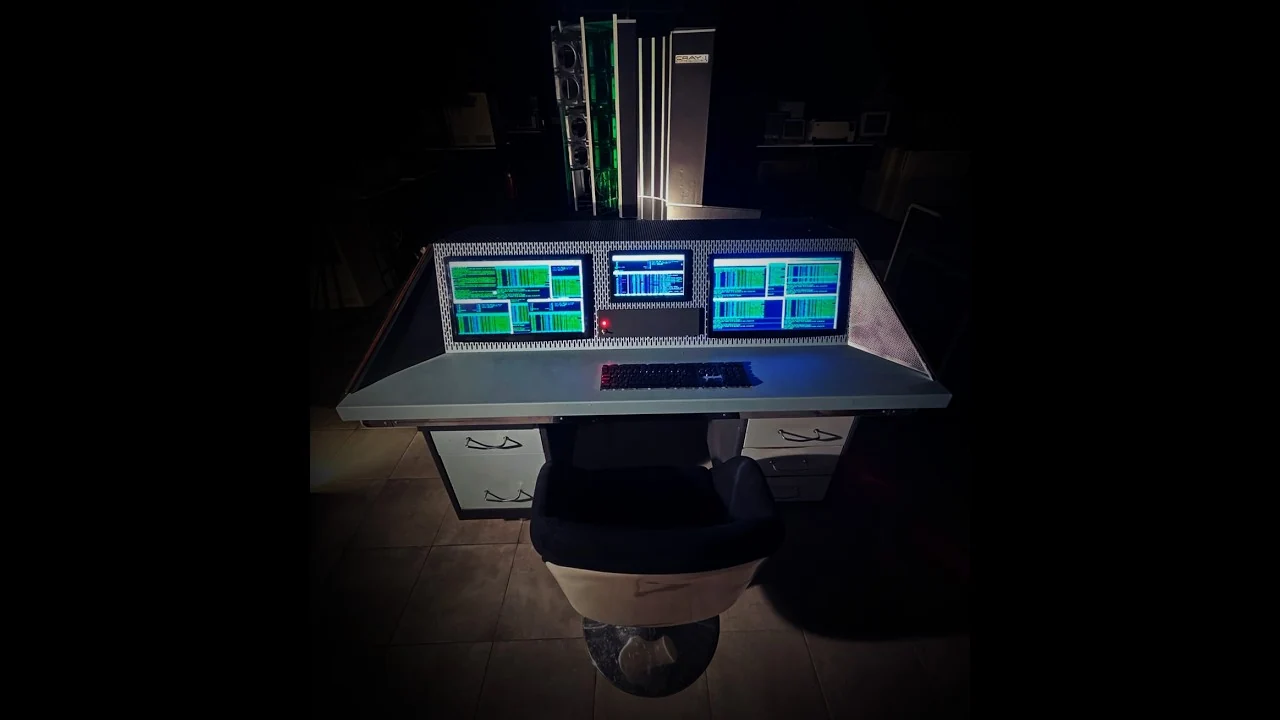
Visitors observing the exhibit can watch the system calculate matrix algorithms in real time through a custom-built retro control terminal. The desk design blends aesthetic elements from 1970s hardware models like the DEC VT05 and the Processor Technology Sol-20 Terminal Computer, complete with an analog control panel and modern flat Samsung displays embedded into the framework.
Future Expansion Plans and Exhibition Access
The project development does not end with the current setup. The museum plans to launch a crowdfunding campaign to acquire 70 to 80 modern M4 Mac Minis to fill the remaining empty slots inside the tower structure, with the ultimate ambition of entering the TOP500 supercomputer rankings.
For the public wishing to view the installation, the replica is on permanent display at the Museo de Historia de la Computación alongside two unused authentic Cray CX1 systems. The museum is open to visitors on Saturdays from 11:30 AM to 2:00 PM, though guided tours are mandatory.
Sources
- Tom's HardwareWorking Cray-1 supercomputer replica packs 30 vintage Mac Minis and 1.5 TFLOPS
- Ars TechnicaA Cray-1 supercomputer replica from 30 "obsolete" Mac Minis
Continue chronologically

Related entity coverage
Related stories
Apple Unveils First Touchscreen MacBook Pro with OLED Display
Apple announces its first major MacBook Pro redesign in over five years, featuring an OLED touchscreen, lighter build, and starting at $2,899.
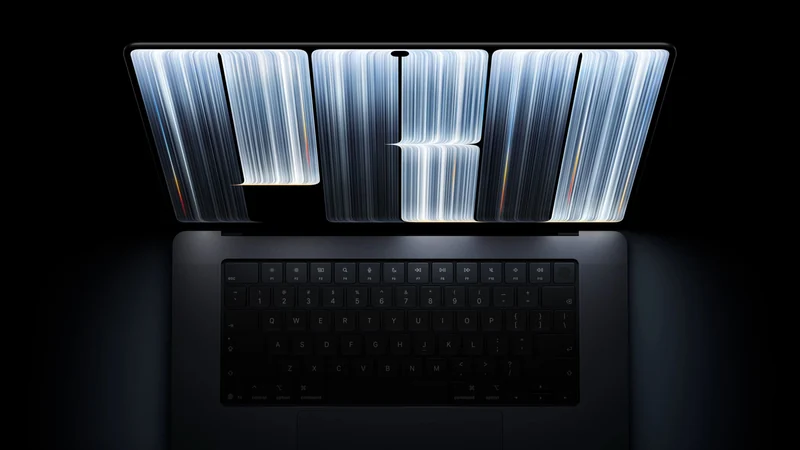
Apple Updates 14-Inch MacBook Pro with M6 Chip
Apple has refreshed the entry-level 14-inch MacBook Pro with the new M6 processor, featuring faster graphics, Wi-Fi 7, and advanced AI capabilities.

Amazon Cuts $200 Off 2026 M5 MacBook Air Models
Amazon has dropped prices on the 2026 M5 MacBook Air by $200, reversing Apple's recent price hikes with models starting at $1,099.

Apple Introduces Touchscreen MacBook Pro with OLED
Apple has launched new 14-inch and 16-inch MacBook Pro models featuring OLED screens and long-awaited touchscreen support for creators.