How the 2026 Super El Niño and Climate Change Are Related
As an exceptionally strong El Niño shapes the tropical Pacific on a record-hot planet, researchers are investigating its deep connections to climate change.
 Radwan AbdulhadiEditor and technology writer
The Rise of an Unprecedented Climate Phenomenon
The tropical Pacific has seen heat build for months as a "super" El Niño takes shape. A climate phenomenon that forms every few years, this year's iteration of El Niño has been on a tear of daily records and is forecast to reach unprecedented strength this winter. While it is characterized by hotter-than-normal waters in the eastern tropical Pacific, El Niño represents a global problem that shifts weather patterns around the world.
Data shows this El Niño has already set multiple all-time daily heat records including a recent peak of 3.4 degrees Celsius. The US National Oceanic and Atmospheric Administration has forecasted high odds of an extremely strong El Niño persisting through the winter months. If the current forecast holds true, it would comfortably surpass previous records set during historical events.
Connecting El Niño to Global Climate Change
Understanding how this major climatic event interacts with ongoing global warming driven by fossil fuels remains an active area of research. Climate researchers point out that while a hotter climate producing a hotter El Niño seems intuitive, the exact dynamics require deep scientific investigation. The magnitude and frequency of the phenomenon have changed over the past six decades alongside increased global variability.
Experts emphasize that global warming and El Niño cannot be easily separated because they function as inextricably linked systems. Climate modeling indicates that El Niño is likely to strengthen as the planet warms, while paleoclimate records demonstrate that the current era is experiencing a much more active period than previous millennia.
Severe Global Impacts and Weather Shifts
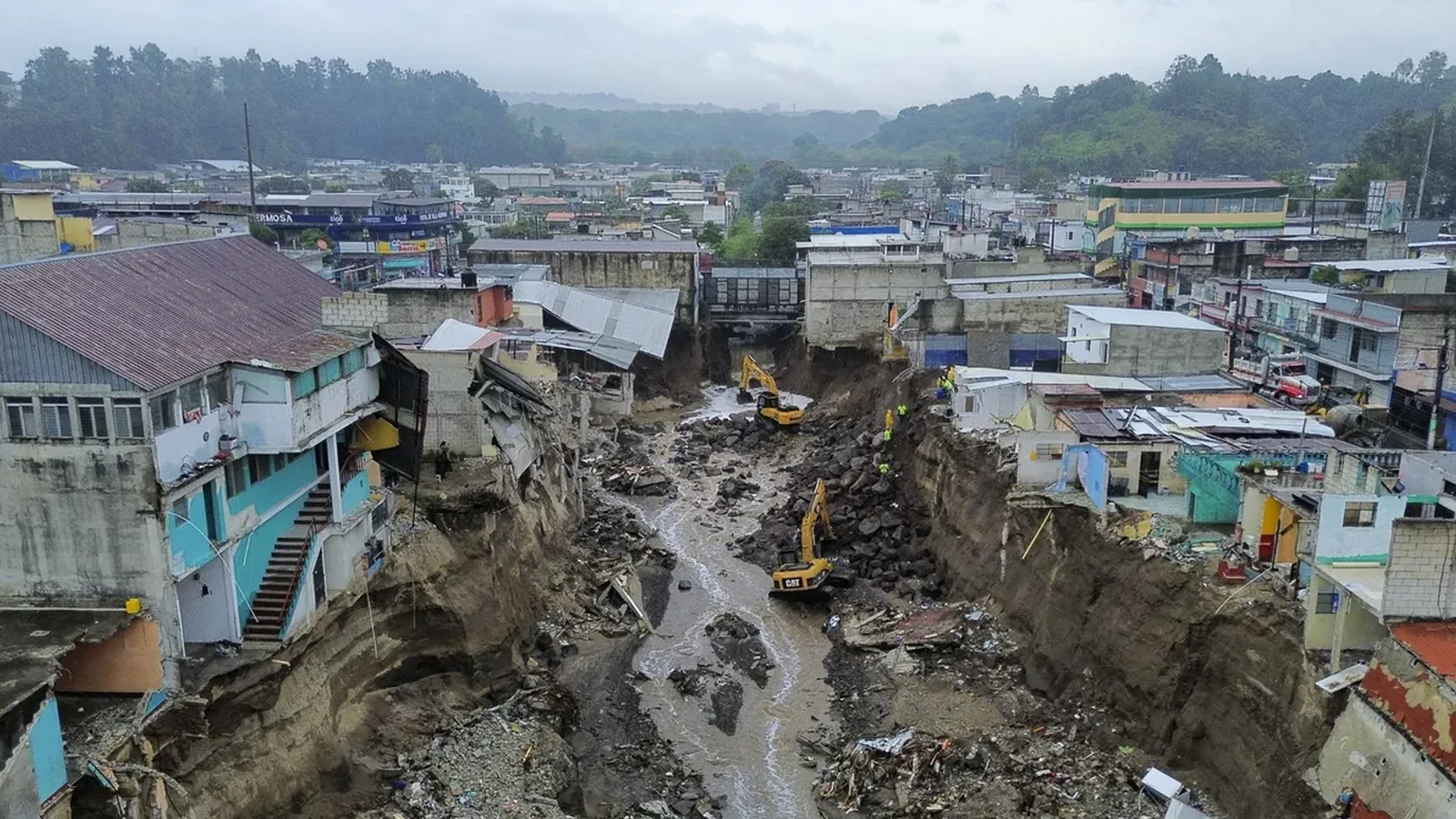
The massive slug of heat introduced by this climate event acts on the atmosphere to cause generationally intense shifts in weather patterns globally. These impacts, known as teleconnections, range from increasing drought risks in the Amazon and Indonesia to juicing precipitation in the Southwest US and lowering the odds of Atlantic hurricanes.
At the same time, regional ecosystems and industries face immediate strains. Fishermen in the eastern Pacific report species migrating to deeper waters with half-empty nets, while coral reefs worldwide face devastating mass bleaching events driven by the combined heat anomalies.
Managing Risks and International Response
Managing risk becomes exceedingly difficult when exceptional natural climate events layer on top of a significantly warmed planet. International bodies, including the United Nations, have issued urgent calls for adaptation measures to protect at-risk populations and fragile ecosystems from the compounding effects.
Sources
- WIREDHow the 2026 Super El Niño and Climate Change Are Related
Continue chronologically
Related stories
WIRED Details Top Travel Mugs for 2026 Commutes
WIRED highlights the best travel mugs for 2026, featuring insulated, leakproof, and self-heating picks from top brands like Hydro Flask and Ember.

Best Pet Cameras of 2026: Furbo, Petcube, and Enabot
Explore the top pet cameras of 2026, featuring models from Furbo, Petcube, and Enabot with treats, pan-and-tilt rotation, and cloud storage.

WIRED Details Top Gift Ideas for Men in October 2026
Discover WIRED's updated October 2026 gift guide featuring precision tools, kitchen knives, laser distance measures, and tactical gear.

WIRED Details Best Lego Gifts for Brick Builders in 2026
Discover the best Lego gifts for brick builders in 2026, featuring smart bricks, video games, botanical bouquets, and popular themed sets.