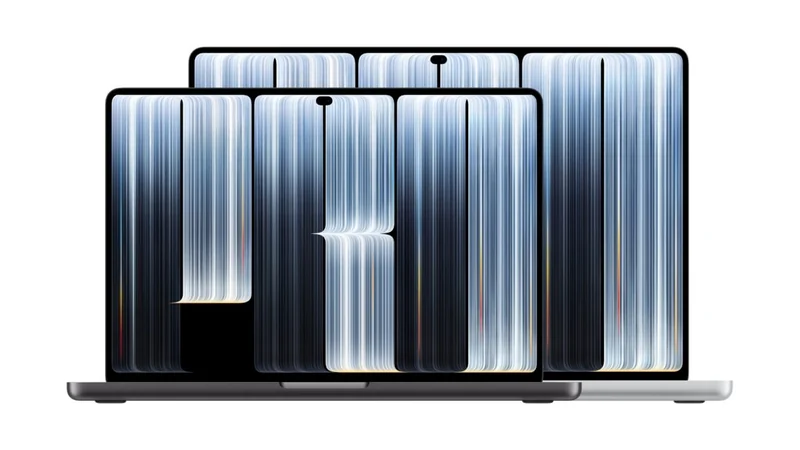
Apple Introduces Touchscreen MacBook Pro with OLED
After years of avoiding touch displays on laptops, Apple has officially introduced touchscreen capabilities to its newly redesigned MacBook Pro lineup.
 Radwan AbdulhadiEditor and technology writer
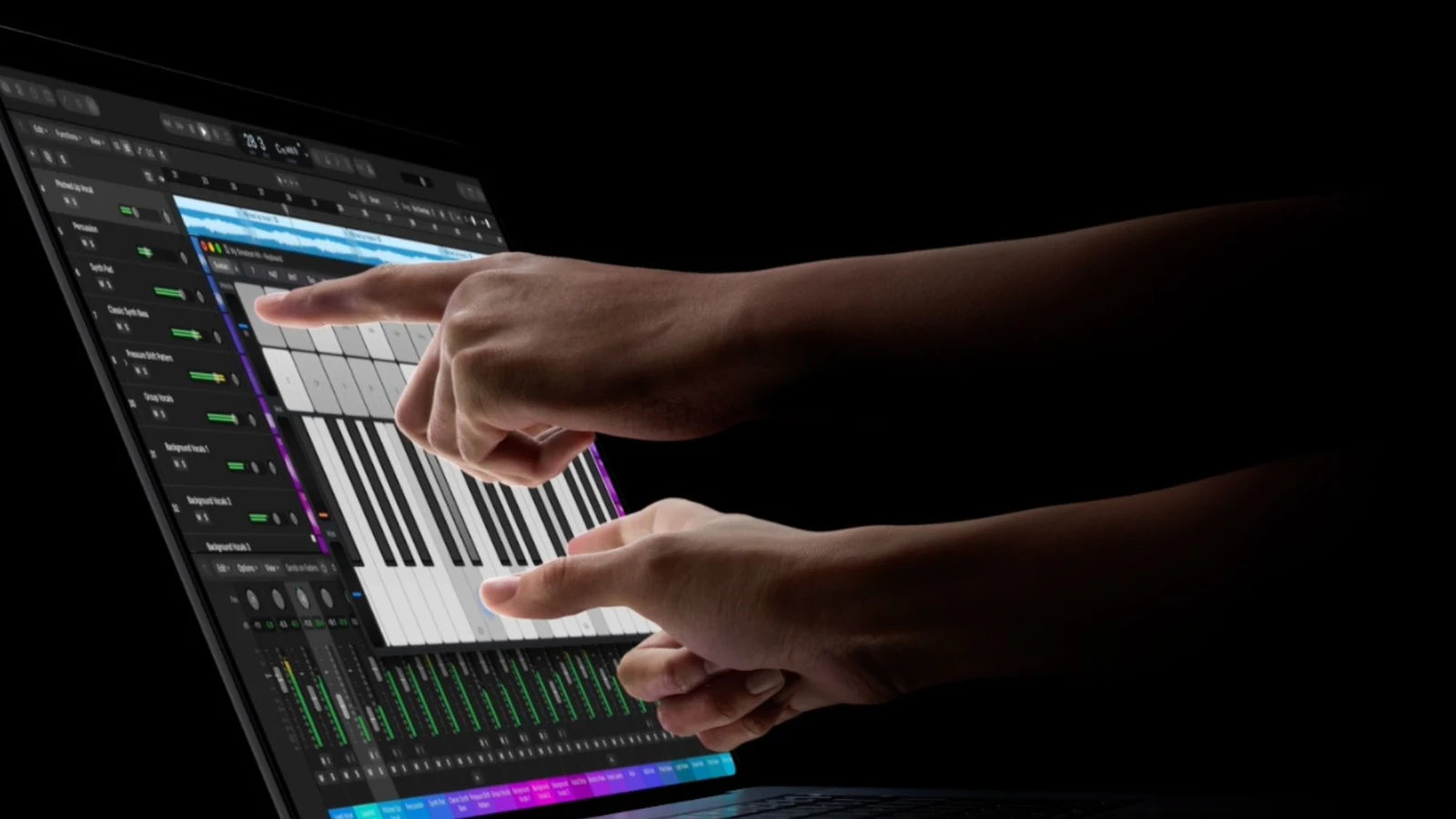
A Major Shift for MacBook Pro
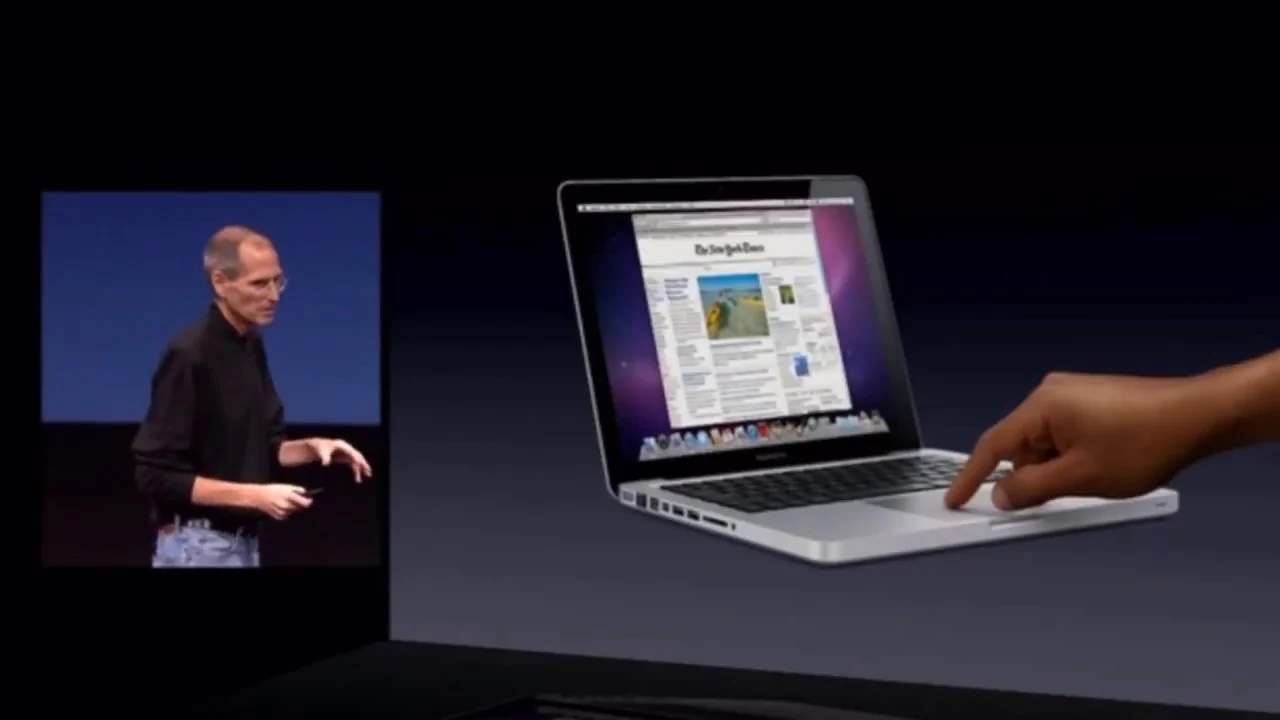
Apple has officially brought two new display technologies to the MacBook Pro lineup: OLED and touch support. While OLED integration followed a natural progression from the iPhone, Apple Watch, and iPad Mini, touchscreen laptops have historically been avoided by the tech giant. Former CEO Steve Jobs famously criticized laptop touchscreens in 2010, describing them as ergonomically poor and fatiguing for the arms. Aside from the short-lived Touch Bar, Macs have remained strictly non-touch until now, even as Windows PCs and Chromebooks adopted touch as a standard feature over the past decade.
The landscape shifted when Apple announced redesigned 14-inch and 16-inch MacBook Pros utilizing PROLED XDR displays equipped with touch functionality. Alongside touch support, the newly announced laptops feature updated speaker systems and a lighter build, though they also command a higher price tag. The 14-inch model starts at $2,899, while the 16-inch model starts at $3,399. Additional details and hardware reviews can be explored further on Tom's Hardware.
Why Apple Added Touch Now
According to industry experts, the timing of Apple's move relates directly to creator demand and market segmentation. Tom Mainelli, group vice president of device and consumer research at IDC, noted that Apple typically waits to enter a new technology category until it can deliver a differentiated product. Mainelli explained that the push for touch stems from creators who use the Mac, while simultaneously establishing a more premium tier within Apple's mature professional lineup.
Apple executives have echoed similar sentiments regarding generational shifts in hardware usage. In an interview with Wired, Apple chief hardware officer Johny Srouji stated that advancements in display technology, custom silicon, and software architecture over the past decade finally met the company's internal standards. Senior vice president of worldwide marketing Greg Joswiak added that a generation of young creators using MacBook Pros naturally expects to interact with screens directly, having grown up using iPhones and iPads.
Software Support and Ecosystem Integration
To accommodate the new hardware, macOS 27 Golden Gate introduces system gesture APIs designed to encourage third-party app developers to support touch. Apple reported that its proprietary applications are fully prepared for touch input, alongside major third-party software suites. Notable applications supporting the new interface include the Microsoft Office suite, Zoom, Notion, Da Vinci Resolve, Adobe Lightroom, Blender, and Algoriddim DJay Paro.
Despite the addition of touch capabilities, Apple has maintained a traditional physical interface by keeping the keyboard and touchpad intact. Industry analysts observe that the new MacBook Pros are designed with touch support rather than functioning as a strictly touch-first device, ensuring that traditional mouse and keyboard workflows remain central to the macOS experience.
Future Outlook and Mass Adoption
Mass adoption of touchscreen technology across the entire Mac ecosystem is expected to take considerable time. Because touch is currently debuting exclusively on the premium 14-inch and 16-inch MacBook Pro models, trickle-down adoption to cheaper MacBook Pro tiers, the MacBook Air, and other product lines will require further hardware evolution. Furthermore, as the Mac is only just transitioning to OLED panels, touch-enabled desktop displays like an iMac remain distant possibilities.
Readers interested in exploring additional membership benefits, legal details, or sharing the breaking announcement can review the platform's Terms & Conditions and Privacy Policy, or share the coverage directly via Reddit.
Sources
- Tom's HardwareApple finally has a touchscreen MacBook. Why now?
Continue chronologically
Related entity coverage
Related stories
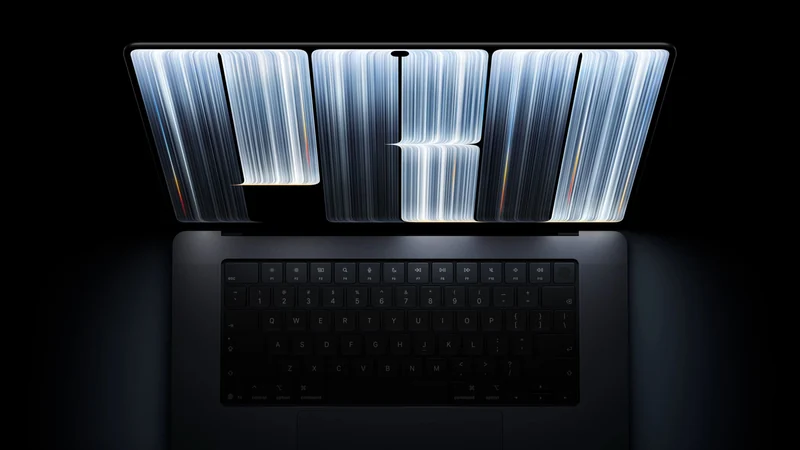
Apple Unveils First Touchscreen MacBook Pro with OLED Display
Apple announces its first major MacBook Pro redesign in over five years, featuring an OLED touchscreen, lighter build, and starting at $2,899.
Inside John Ternus's First Months as Apple CEO
An exclusive look inside John Ternus's early days as Apple CEO, focusing on product continuity, custom silicon, and artificial intelligence.

Apple Introduces Touchscreen MacBook Pro with PROLED Display
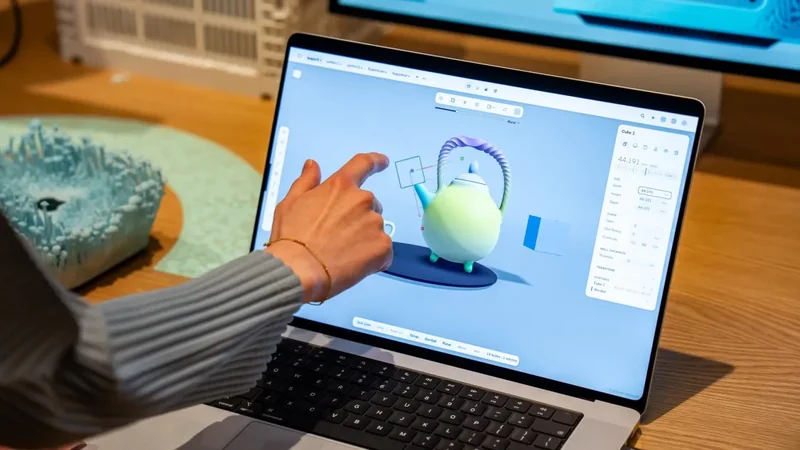
Apple has finally released its long-awaited touchscreen MacBook Pro, featuring an advanced PROLED XDR display, integrated touch sensor, and macOS support.
Apple Announces Touchscreen MacBook Pro With OLED Display
Apple has officially announced its first touchscreen MacBook Pro featuring an OLED display, M5 Pro and M5 Max chips, and starting prices from $2,899.