Why CPU Overclocking Has Become Mostly Outdated Today
Once a staple for PC enthusiasts seeking extra performance, manual CPU overclocking has largely faded into the background as modern processors and motherboards adopt automated, hands-off approaches.
 Radwan AbdulhadiEditor and technology writer
The Decline of Traditional CPU Overclocking
For PC enthusiasts during the 2000s and most of the 2010s, pushing a processor past manufacturer specifications was a popular way to squeeze extra power out of hardware. According to insights reported by Engadget, traditional overclocking involved manually increasing clock speeds to match or exceed higher-end components. However, this practice has largely fallen out of favor among advanced users today, leading to fewer guides and a smaller hardware modding community.
While overclocking is still technically possible on modern CPUs, the traditional methods have largely given way to more automated and hands-off solutions. Older processors relied on conservative factory base and maximum boost frequencies, but modern hardware and BIOS settings now algorithmically push performance further when workloads demand it.
Automated Boost Features Take Over
Many modern motherboards include BIOS settings such as Multi-Core Enhancement or Enhanced Turbo to automatically push clock speeds past defaults. This algorithmic approach eliminates much of the manual guesswork and core frequency multiplier adjustments required in the past.
Similarly, processors from AMD incorporate automated tools designed to raise power and current limits dynamically. Users can utilize the Ryzen Master utility to access advanced tuning options, fine-tuning voltage and frequency curves to reach higher boost clocks safely.
Factory Optimization and Minimal Headroom
A primary reason manual overclocking has declined is that modern chips are engineered to leave very little performance headroom unutilized. Historically, chip makers maintained conservative clock speeds due to variations in silicon quality and manufacturing precision, a process known as binning where maximum speeds were dictated by the weakest batches.
Improvements in semiconductor fabrication now allow manufacturers to produce stable and predictable chips at scale. Consequently, modern processors are tuned to perform close to their practical limits right out of the box, meaning manual adjustments yield much smaller performance uplifts than they used to.
Thermal Limitations and Cooling Requirements
Although overclocking remains a safe practice, it incurs notable costs in power consumption and heat generation. Standard stock coolers included with processors often struggle to manage higher load CPU temperatures, which can hover between 85 and 90 degrees Celsius and restrict thermal headroom.
Even automated features like Precision Boost Overdrive perform significantly better with enhanced thermal solutions. While top-of-the-line equipment is unnecessary, many enthusiasts upgrade to an affordable tower-style cooler or a dedicated liquid cooling setup to maintain safe operating ranges.
The Current Landscape for Enthusiasts
Although manual tweaking is less common, enthusiasts still benefit from investing in higher-end motherboards that support aggressive power limits and elevated boost clock speeds. By enabling built-in options within the BIOS, users can still extract optimized performance from modern components without engaging in traditional, labor-intensive overclocking.
Sources
- EngadgetWhy CPU overclocking is mostly now a thing of the past
Continue chronologically
Related stories
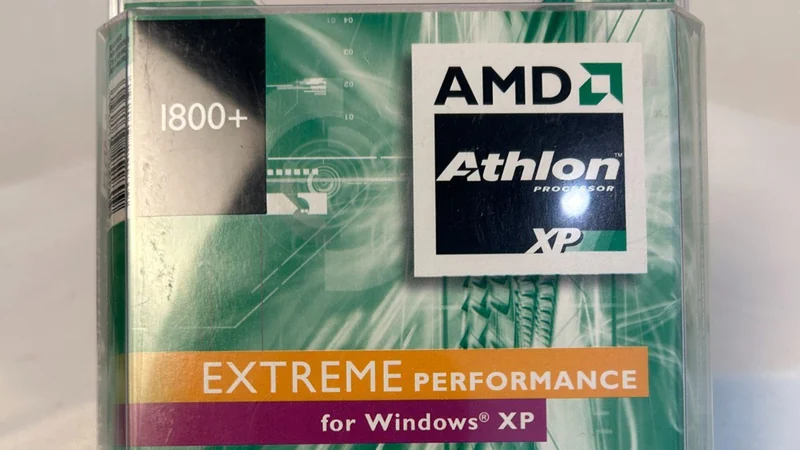
AMD's Performance Rating System Debuted 25 Years Ago
Looking back at the launch of AMD's Athlon XP and its Performance Rating scheme, created a quarter-century ago to challenge the megahertz myth.
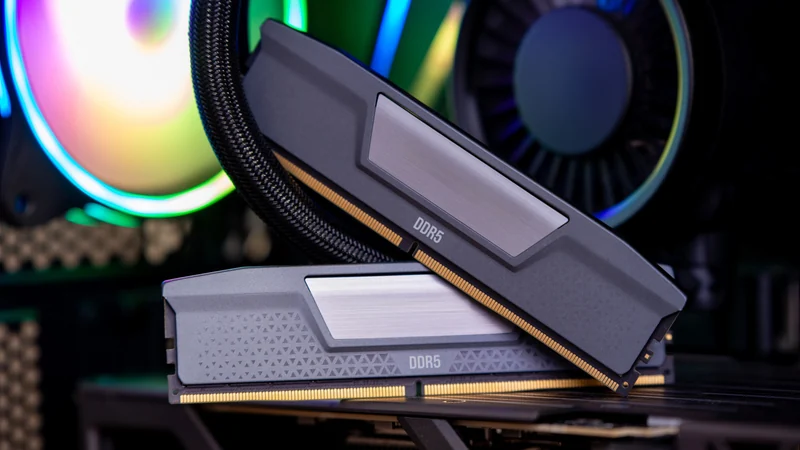
How much does DDR5 RAM speed matter for gaming?
Explore how memory bandwidth and latency impact gaming frame rates, and whether high-end DDR5 RAM speeds are genuinely worth the extra cost.
Intel's Gloomy PC Outlook Triggers $1 Trillion Chip Market Wipeout
Intel shares plunge 30% after a weak PC outlook, erasing $150 billion and sparking a wider semiconductor market bloodbath across the industry.
AMD and Intel Unite PyTorch CPU AI Code Paths
AMD and Intel are collaborating to integrate their CPU optimizations for PyTorch under the unified oneDNN library, simplifying AI development on x86 chips.