Why the Xbox Series S Remains Far Cheaper Than the Series X
While both Microsoft consoles have seen price increases during their lifecycles, the Xbox Series S maintains a substantial cost advantage through distinct hardware compromises.
 Radwan AbdulhadiEditor and technology writer
Market Context and Pricing Pressures
Gaming hardware pricing has shifted significantly over the past several years. Typically, a console nearly six years into its lifecycle would see a price drop, but the current generation has defied traditional patterns. According to reporting by Engadget, the [Xbox Series X and S have seen a price increase](https://www.engadget.com/2201787/xbox-prices-are-going-up-again-after-microsoft-helps-drive-up-component-costs/) in recent months, driven largely by broader industry challenges and component cost pressures.
This trend is not unique to Microsoft's ecosystem. Other major hardware manufacturers have adjusted their pricing structures upward as well. For instance, [The PlayStation 5's price went up twice within a year](https://www.engadget.com/gaming/playstation/the-ps5-is-getting-more-expensive-again-133141514.html), and [the Nintendo Switch 2 got a heftier price tag in 2026](https://www.engadget.com/2243642/nintendo-reveals-its-latest-switch-2-bundles-just-ahead-of-the-consoles-price-increase/), largely thanks to ongoing supply chain and manufacturing cost increases.
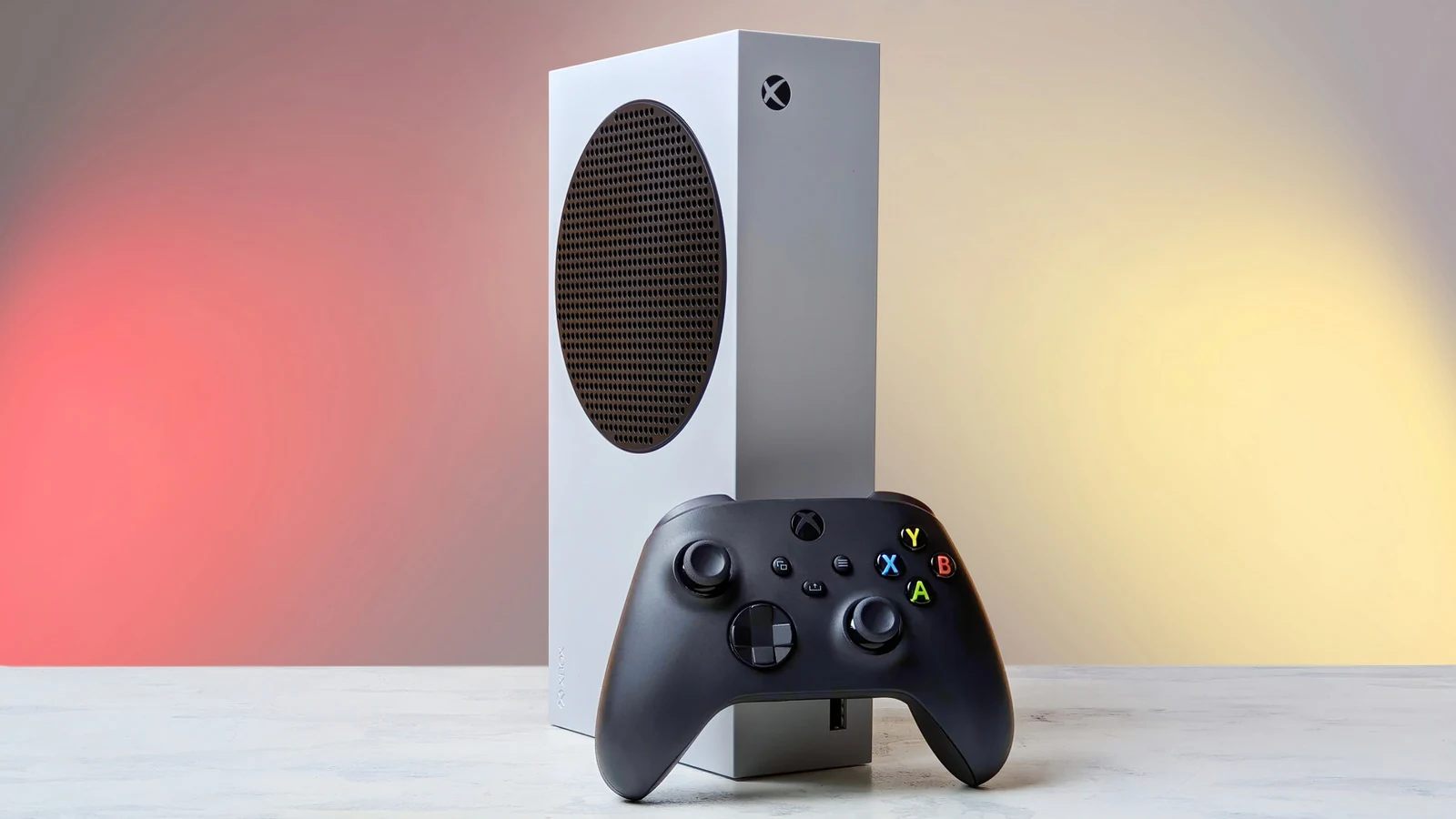
Despite these broader economic adjustments, the Xbox Series S maintains a distinct price edge over its larger sibling. The Series S starts at $500, marking a stark difference from the Series X model, which starts at $750. This positions the Series S as one of the most affordable modern consoles available on the market alongside the Switch 2, prompting buyers to evaluate why the price gap remains so wide.
Digital-Only Design and Physical Media
The most immediately apparent difference between the two Microsoft consoles involves physical media support. The Xbox Series S is built as a digital-only device that completely lacks a disc drive. While Microsoft offers a digital-only model of the Series X that reduces its price by a modest margin, the rest of the larger console's internal hardware remains unchanged.
This lock-in to a solely digital ecosystem defines the lower-cost nature of the Series S. For players who do not collect physical game discs or who rely entirely on digital storefronts and subscription services like Game Pass, the absence of a disc drive does not hinder the experience. Conversely, players who prefer physical media sales or collecting physical cartridges and discs will find the Series X better suited to their preferences.
Internal Hardware and Processing Power
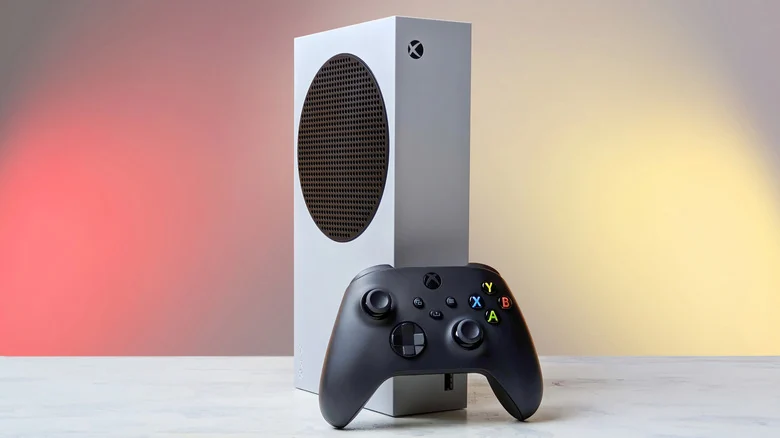
Beyond physical design, the core hardware specifications account for the substantial price variance. Under the hood, the Xbox Series S utilizes scaled-down components compared to the high-end Series X.
The Xbox Series X boasts 12 teraflops of processing power, targets native 4K resolution, and is equipped with a custom AMD Zen 2 CPU clocked at a higher speed. Its AMD RDNA 2 GPU features 52 compute units. Additionally, the Series X features 16GB of RAM, split between lanes operating at higher speeds to ensure maximum performance for intensive games.
In contrast, the Xbox Series S operates with 4 teraflops of processing power, targeting 1440p resolution for most games while retaining 4K upscaling capabilities. It uses a similar custom AMD Zen 2 CPU architecture but with a lower clock speed, and its RDNA 2 GPU features only 20 compute units. The system also includes 10GB of RAM with modified memory bandwidth allocations, resulting in a less complex and significantly more affordable hardware profile.
Storage Capacity and Form Factor
Storage configurations also separate the two consoles. The base model of the Series S comes equipped with 512GB of internal storage, though a 1TB option is available for an additional $100. Meanwhile, the Series X features 1TB of space standard. Players who require additional capacity can easily expand their storage [with an expansion card](https://www.engadget.com/xbox-series-s-storage-expansion-cards-145450475.html) designed to plug directly into the back of either console.
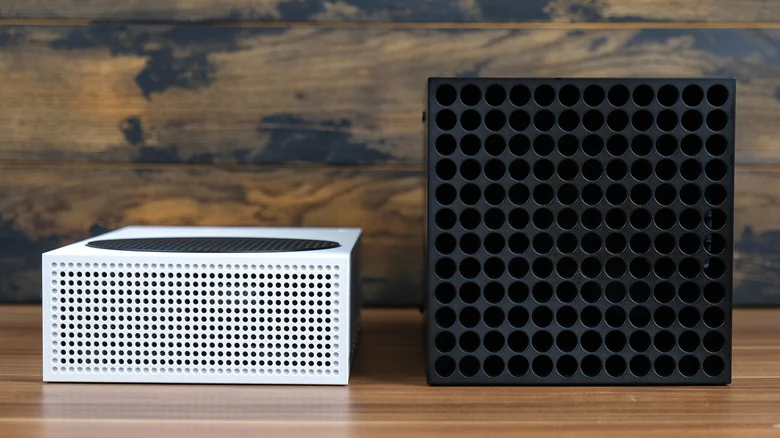
Furthermore, the Series S benefits from a significantly more compact physical footprint. It is about 60 percent smaller than the Series X, making it considerably easier to fit into tighter entertainment centers and living spaces.
Looking Toward Future Hardware
Consumers weighing their options also have future hardware generations on the horizon. For those hesitant to purchase a console deep into its lifecycle, Microsoft's upcoming hardware roadmap includes [Microsoft's Project Helix family of devices](https://www.engadget.com/2246956/xbox-project-helix-family-of-devices/). However, these future systems will likely command a higher price tag than current models.
Microsoft plans to deliver early alpha hardware for Project Helix to developers starting in 2027, indicating that a final commercial release is still a considerable distance away. For immediate needs, the Xbox Series S remains an accessible entry point for gamers prioritizing affordability and compact design over raw 4K performance.
Sources
- EngadgetThe reason the Xbox Series S is so much cheaper than the Series X
Continue chronologically

Related entity coverage
Related stories
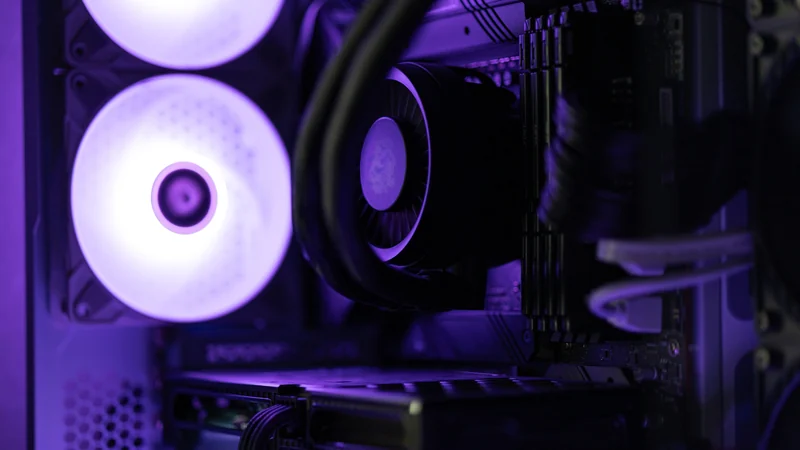
Building an Xbox Series S Equivalent PC Costs Around $740
Discover how much it costs to build a desktop PC that matches or outperforms the Xbox Series S hardware, and explore the component trade-offs.
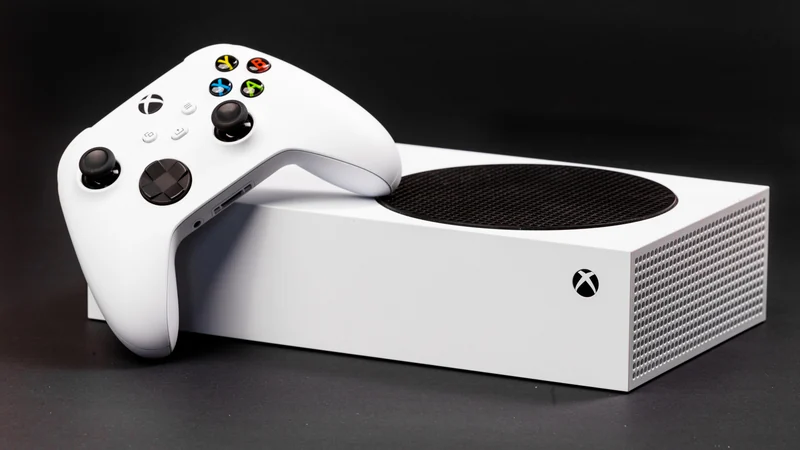
Microsoft Launches Campaign to Trade In Unused Xbox Consoles
Microsoft is emailing Xbox owners with opportunities to trade in unused Series X and S consoles for store credit amid ongoing hardware shortages.
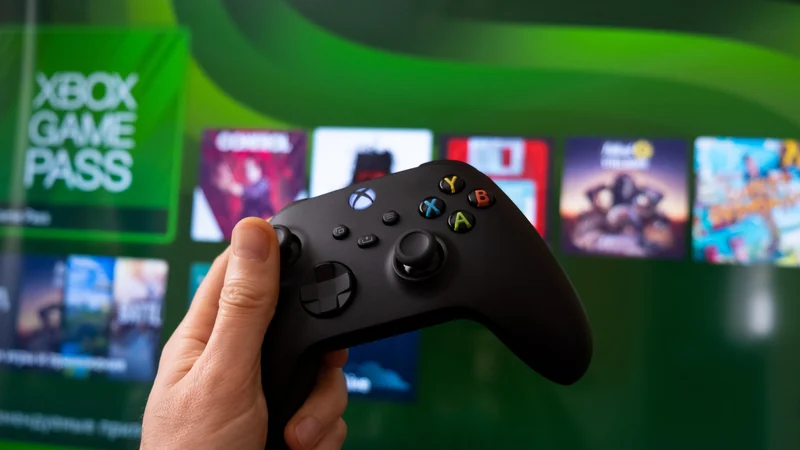
PS5 Games Run on Xbox Series X via PS5X Emulator
PS5 games can now run on Xbox Series X through PS5X emulator, but only in Developer Mode with limited compatibility and no public release.
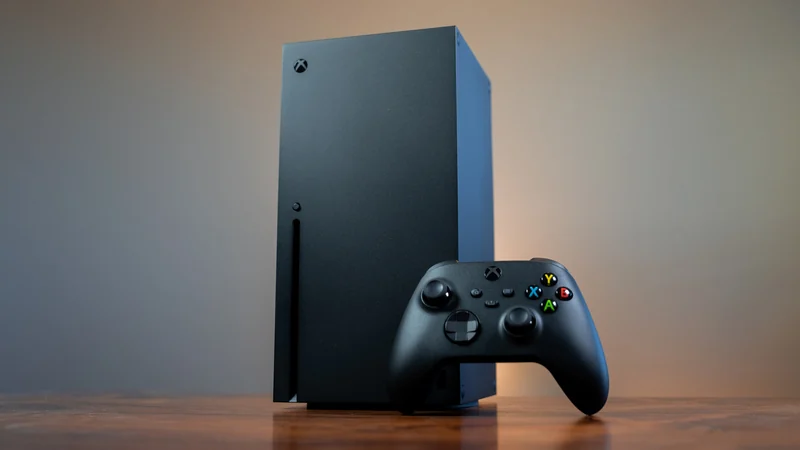
Wired vs wireless Xbox controllers balance latency and freedom
Wired and wireless Xbox controllers differ in battery hassle, input response and room freedom, with Bluetooth adding potential delay and USB avoiding it.