When is it worth getting a sound card for your PC?
While integrated motherboard audio handles most modern media needs, dedicated sound cards and external audio interfaces still serve specific high-precision use cases.
 Radwan AbdulhadiEditor and technology writer
The Evolution of PC Audio and Built-in Hardware
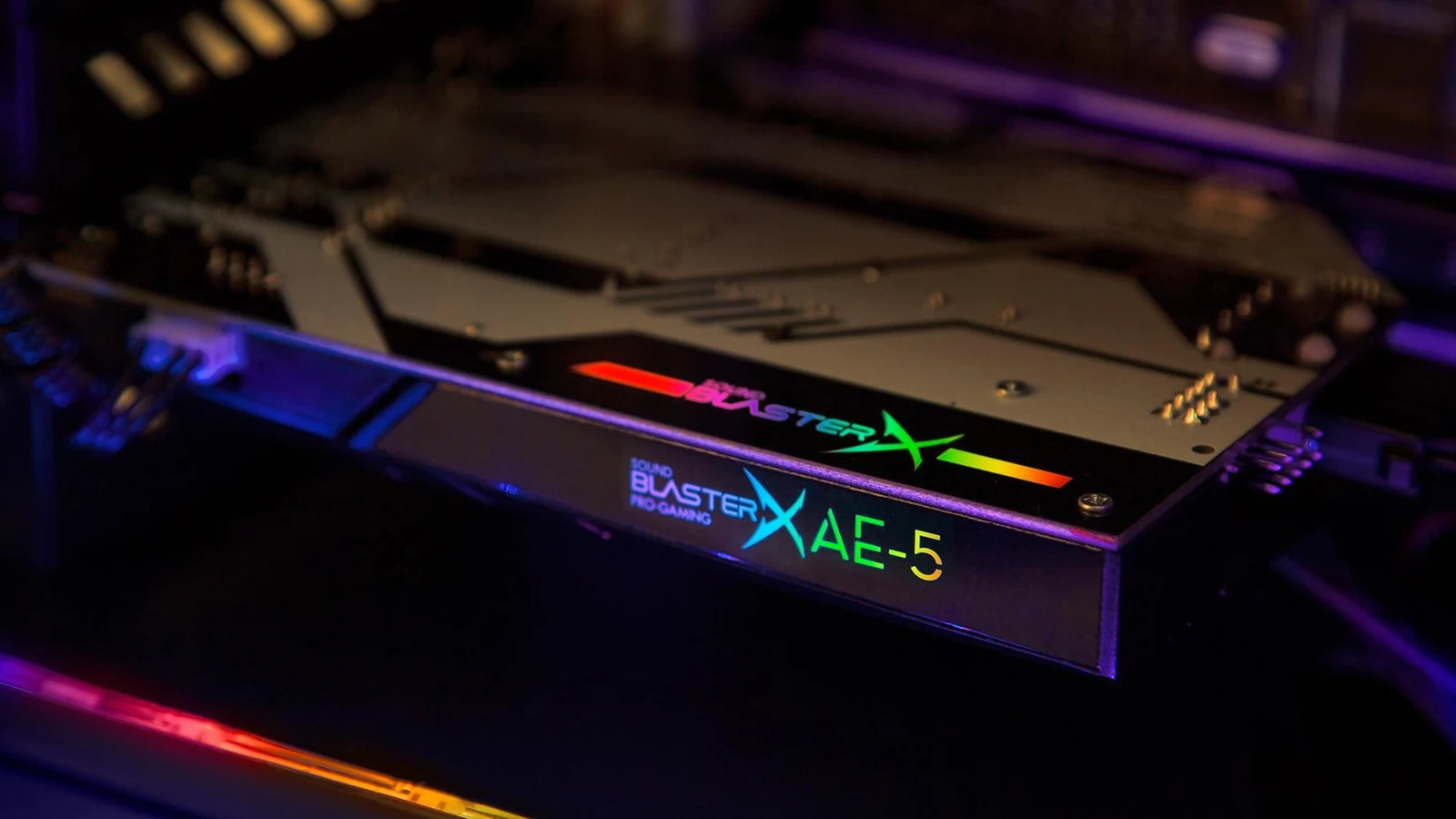
Decades ago in the 1980s and 1990s, a dedicated sound card was an absolute must-have for any PC gamer or musician. Back then, a machine's built-in hardware was strictly limited to basic beeps and bloops, making a separate sound card just as essential as a 3D graphics card is today. As detailed in a report by [Engadget](https://www.engadget.com/2274701/when-worth-getting-sound-card-for-pc/), modern PC audio technology is no longer an afterthought.
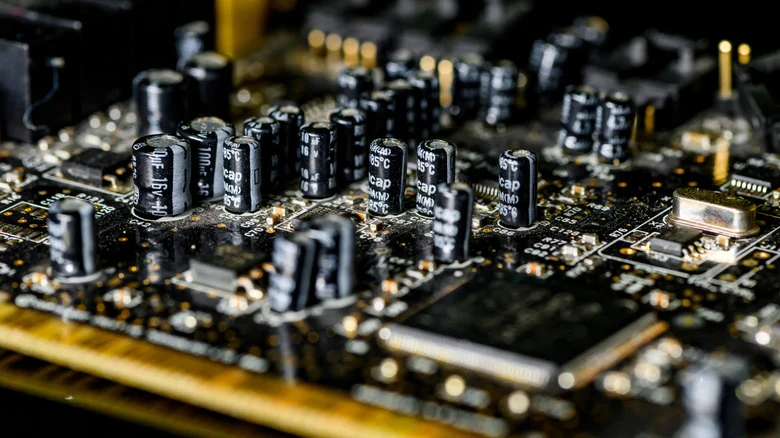
Today, advancements in chip design and die sizes mean that what once required an entire card can easily be compressed into a single chip on a motherboard. Realtek audio chips, for instance, have become remarkably commonplace on Windows PCs, handling necessary inputs, outputs, and codecs right out of the box.
Why Most Shoppers Can Skip Dedicated Sound Cards
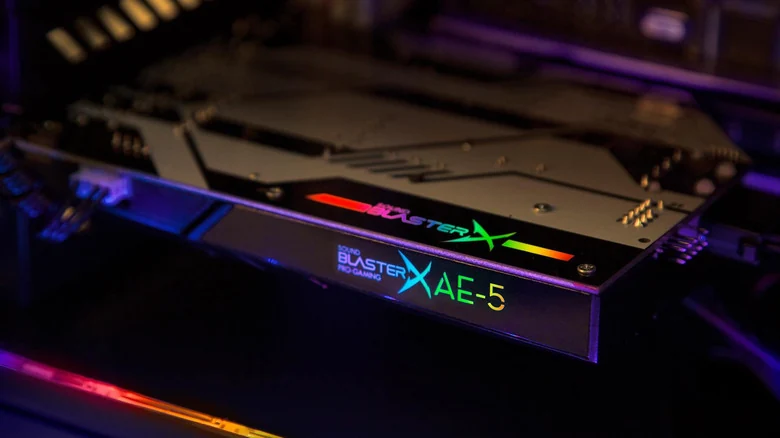
For the average user, the quick answer is that a dedicated sound card is entirely unnecessary. High-quality audio, including lossless formats, can be effortlessly delivered over USB 3.x, HDMI, DisplayPort, or Wi-Fi. Even advanced formats like a 24-bit, 192kHz Dolby Atmos stream in Dolby TrueHD lossless consume only a fraction of available bandwidth, making integrated motherboard connections more than capable.
Furthermore, business and design incentives have actively pushed audio hardware out of the PC case. Laptops and handheld PCs have minimal room to spare, while desktop towers are frequently dominated by massive hardware components like a [3D graphics card](https://www.engadget.com/gaming/pc/how-to-buy-a-gpu-160100017.html) and its associated cooling systems. Adding redundant internal cards would only increase power consumption and restrict vital airflow inside the chassis.
Modern Demands: Spatial Audio and Lossless Formats
It might seem unusual that sound cards have faded from the spotlight given how much consumers value high-end audio today. Media is routinely mixed for [spatial audio formats like Dolby Atmos](https://www.engadget.com/2201794/difference-between-dolby-digital-dts-atmos-which-sounds-better/), which effectively position sound objects within a 3D space. Alongside this spatial evolution, there is a strong broader industry push for [a push for lossless audio](https://www.engadget.com/2244161/dolby-atmos-and-lossless-audio-differences/) across both modern movies and music streaming platforms.
Despite these heavy demands on data pipelines, built-in computer hardware paired with proper speakers or headphones typically encounters no trouble delivering immersive sound experiences without requiring extra internal components.
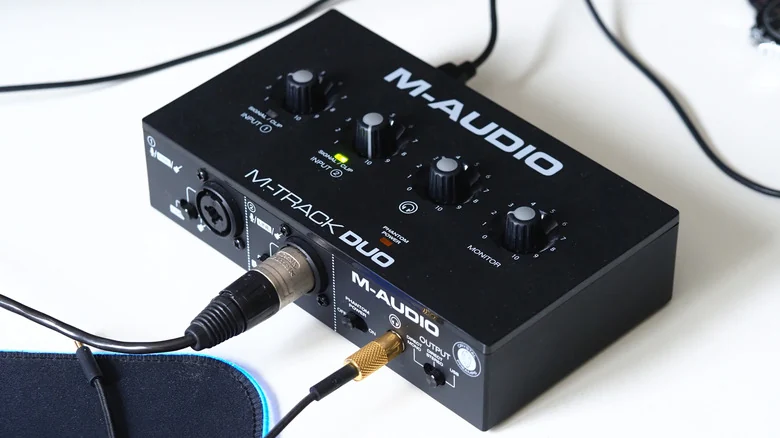
When Sound Cards and Audio Interfaces Still Matter
Despite widespread integration, specific use cases still benefit immensely from separate audio hardware. The inside of a running PC case can introduce unwanted signal interference for professional audio work. Consequently, producers often rely on external professional audio interfaces that sit conveniently out on a desk.
These professional setups support ultra-high fidelity required for audio mastering and production, offering easy physical controls for microphones, guitars, keyboards, and pedals.
Additionally, headphone amplification stands out as a major benefit for audio connoisseurs and professionals alike. Standard motherboards may lack the necessary power to properly drive high-impedance headphones, which provide the extra precision valued by audiophiles. Using an external add-on or dedicated amplifier allows users to easily power these demanding headphones and effortlessly switch them between different devices.
Sources
- EngadgetWhen is it worth getting a sound card for your PC?
Continue chronologically
Related stories
Understanding Audio Amplifiers and Sound System Quality
Explore what audio amplifiers do, how they impact your sound system quality, and whether you actually need a separate unit for your home theater.
How to Add Dolby Atmos to Your TV on a Budget
Discover how budget-friendly soundbars and streaming devices can add immersive Dolby Atmos audio to your home setup without breaking the bank.
What Does V-Sync Do to Your PC's Frames Per Second?
Explore how vertical synchronization affects PC gaming, frames per second, screen tearing, and input lag, along with alternatives like G-Sync and FreeSync.
Why DVI Cables Still Connect to Modern TVs with an Adapter
Discover how DVI cables work with modern TVs using a simple adapter, and explore the limitations and history of this legacy video standard.