Understanding Audio Amplifiers and Sound System Quality
When exploring a new sound system setup, understanding the role of amplifiers helps determine whether a separate unit is genuinely necessary for your audio configuration.
 Radwan AbdulhadiEditor and technology writer
The Role of Amplifiers in Audio Systems
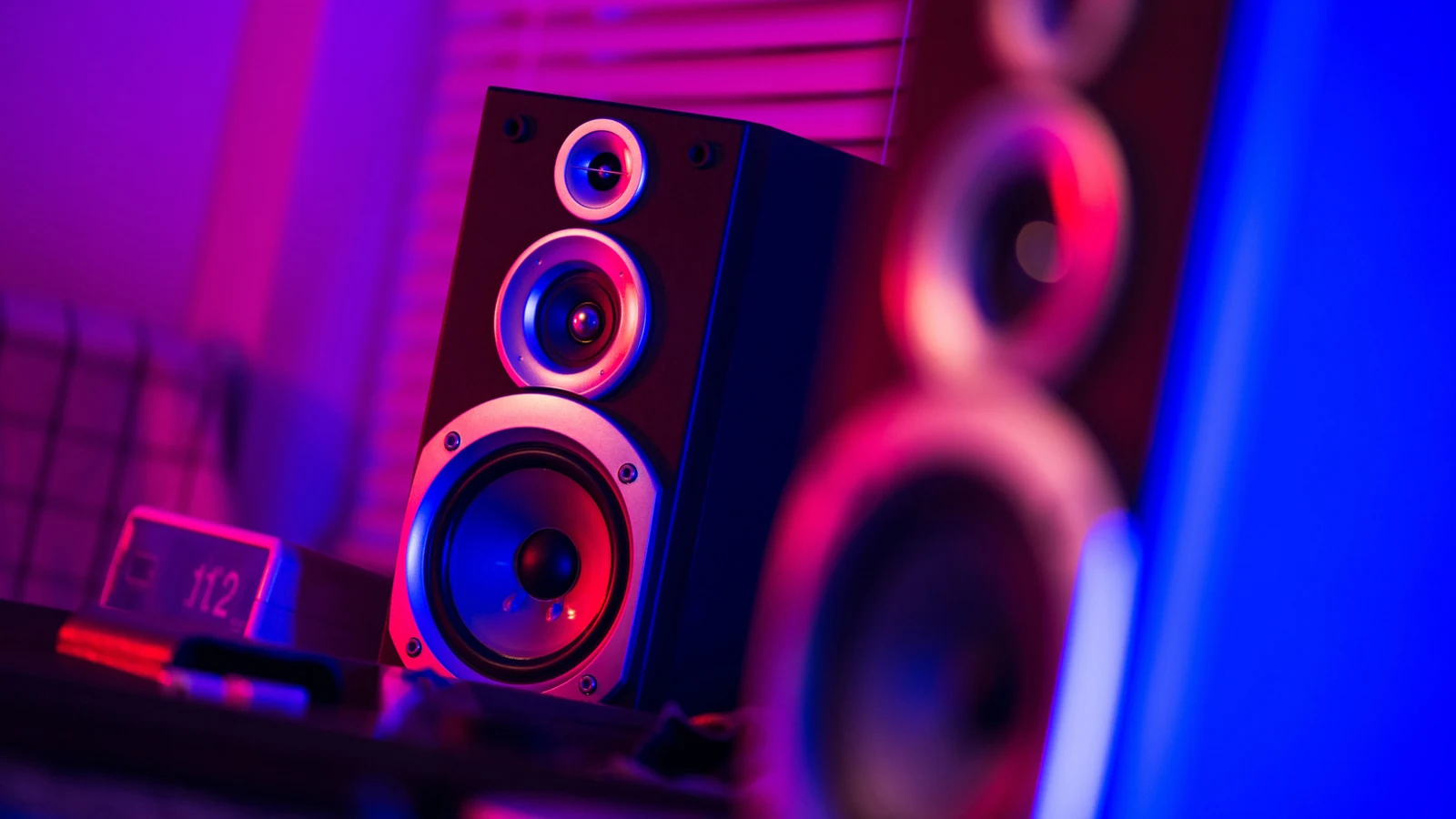
When shopping for gear to improve a sound setup, equipment makers offer numerous add-ons, ranging from gold-plated cables to dedicated hardware. However, an amplifier remains one of the few core products to take seriously whether you are <a href="https://www.engadget.com/home/home-theater/the-best-gear-to-upgrade-your-home-theater-setup-130000755.html">building a home theater</a> or a private listening space. Despite their importance, newcomers should understand that many households already contain several amplifiers hidden in plain sight. Further details are available from Engadget in the original source material.
On their own, most audio signals lack the strength required to be heard clearly. A clear demonstration of this involves listening to a turntable with its speakers disabled, where a quiet sound known as needle talk can be detected from the stylus running along the vinyl grooves. To make this meaningful, all sound systems rely on an amplifier to increase signal strength before final output, matching power and impedance specifications measured in watts and ohms.
Amplification, Gain, and Preamps
Quality amplifiers do more than simply raise volume levels. They allow users to adjust gain and shape sound preferences using an equalizer to modify frequencies for heavier bass or clearer vocals. Properly managing gain and EQ settings prevents clipping, distortion, and hardware damage.
It is also essential to distinguish between amplifiers and preamplifiers. While preamps raise audio to line level for correct gain distribution throughout the sound system, a separate power amplifier is still required to drive passive speakers. Some modern amplifiers integrate both functions directly into the chassis.
Do You Need a Separate Amplifier?
For many consumers, purchasing a separate standalone amplifier is entirely unnecessary. Most consumer speakers are active models featuring integrated amplifiers and individual power cords. Only passive speakers require external power sources, and even then, standard home audio receivers frequently incorporate both amplifier and preamp functions into a single unit.
Extra amplification typically becomes necessary only for power-hungry configurations. For instance, elaborate setups exceeding the built-in channel limits of a standard receiver will demand an external amplifier to maintain proper performance across all audio channels.
Solid-State Versus Tube Amplifiers
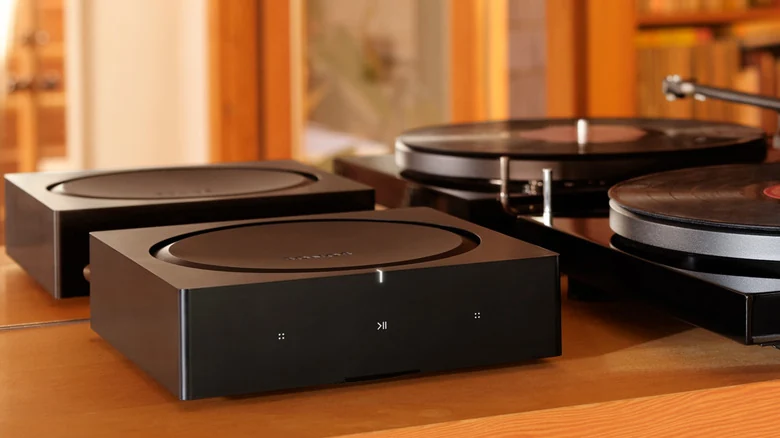
When choosing an amplifier, most consumers are advised to select solid-state models rather than tube-based alternatives. While tube amplifiers are celebrated for providing a warmer sound and aesthetic appeal reminiscent of <a href="https://www.engadget.com/entertainment/tv-movies/fallout-season-2-review-viva-new-vegas-140000678.html">Fallout's brand of retrofuturism</a>, they typically deliver limited power output and require frequent maintenance, such as replacing worn tubes.
Trying to run a multi-channel home theater entirely on tube amplifiers can prove to be an expensive and inefficient undertaking, making solid-state hardware the practical choice for surround-sound systems.

Alternative Ways to Upgrade Sound Quality
Before investing in expensive dedicated amplifiers, users often achieve better results by upgrading their speakers or addressing acoustic issues in the room. Switching from a basic stereo setup to a high-powered all-in-one soundbar can dramatically improve sound performance.
Additionally, many common audio problems can be resolved through cheaper accessories. Unwanted rattling can be mitigated with speaker stands or mats, reverberation can be reduced using acoustic panels, and muddy bass can often be fixed simply by repositioning speakers away from walls.
Sources
- EngadgetWhat are amplifiers for and how important are they to your sound system's quality?
Continue chronologically

Related stories
Google Pay vs. Google Wallet: Understanding the Differences
Explore the history and differences between Google Pay and Google Wallet, and learn how these digital payment tools function together on devices.

How to Know It Is Time to Replace Your Apple Pencil Tip
Learn the key warning signs indicating when it is time to replace your Apple Pencil tip, from increased friction to exposed metal components.

Ethernet Cables Can Do Much More Than Just Connect to a Router
Discover how category cables can transmit video, audio, and power when paired with the right adapters, offering more than just home internet.

Why DVI Cables Still Connect to Modern TVs with an Adapter
Discover how DVI cables work with modern TVs using a simple adapter, and explore the limitations and history of this legacy video standard.