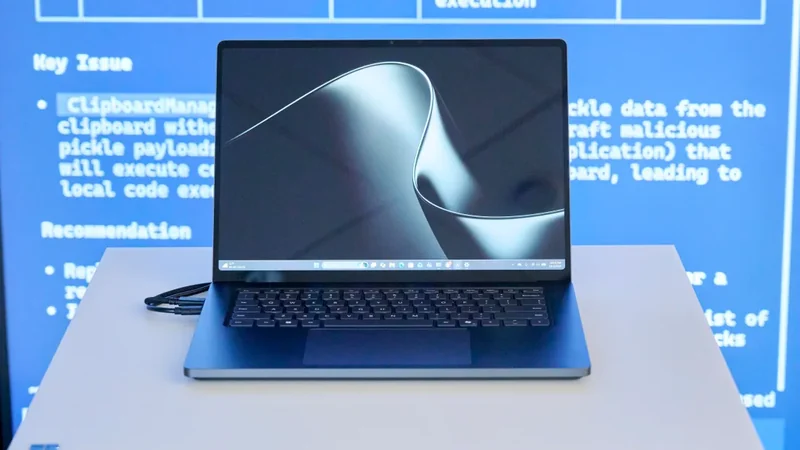
Tom's Hardware Premium Details TP-Link and AI Hardware
The latest weekly roundup from Tom's Hardware Premium highlights hardware developments, including storage innovations and networking regulatory challenges.
 Radwan AbdulhadiEditor and technology writer
TP-Link's Regulatory Challenges and Manufacturing Strategy
TP-Link has encountered regulatory hurdles regarding alleged ties to China, despite stating that it split from its Chinese parent company in 2024. In response to the Federal Communications Commission ban on foreign-made consumer routers, the company has pledged nearly $1 billion in United States research and development and manufacturing. Further details are available from Tom's Hardware in the original source material.
To help bring its products back to the American market, TP-Link signed a letter of intent with Key Tronic to assemble its Wi-Fi 8 routers in Mississippi. More details on this development are available through Tom's Hardware.
FADU Introduces File-Semantic SSD Technology
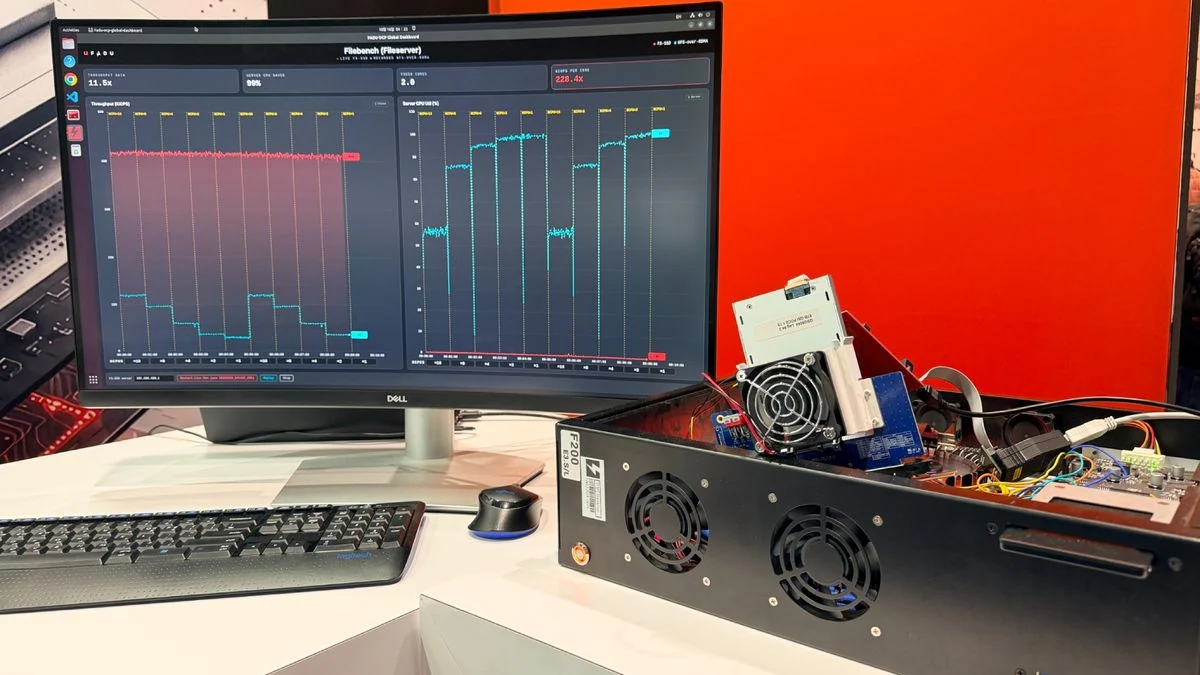
SSD controller designer FADU announced its File-Semantic SSD and released a white paper detailing the underlying technology. The design places the filesystem directly onto the flash memory of the SSD, allowing accelerators like GPUs, DPUs, and network interface cards to open and read files directly without involving host CPUs.
Initial testing indicates promising performance metrics, though the results await qualification on real silicon. The architecture builds on existing frameworks utilizing a Gen6 controller, with partner sample shipments targeted for the third quarter of 2027.
Optimizing Gaming Performance on the RTX Spark Platform
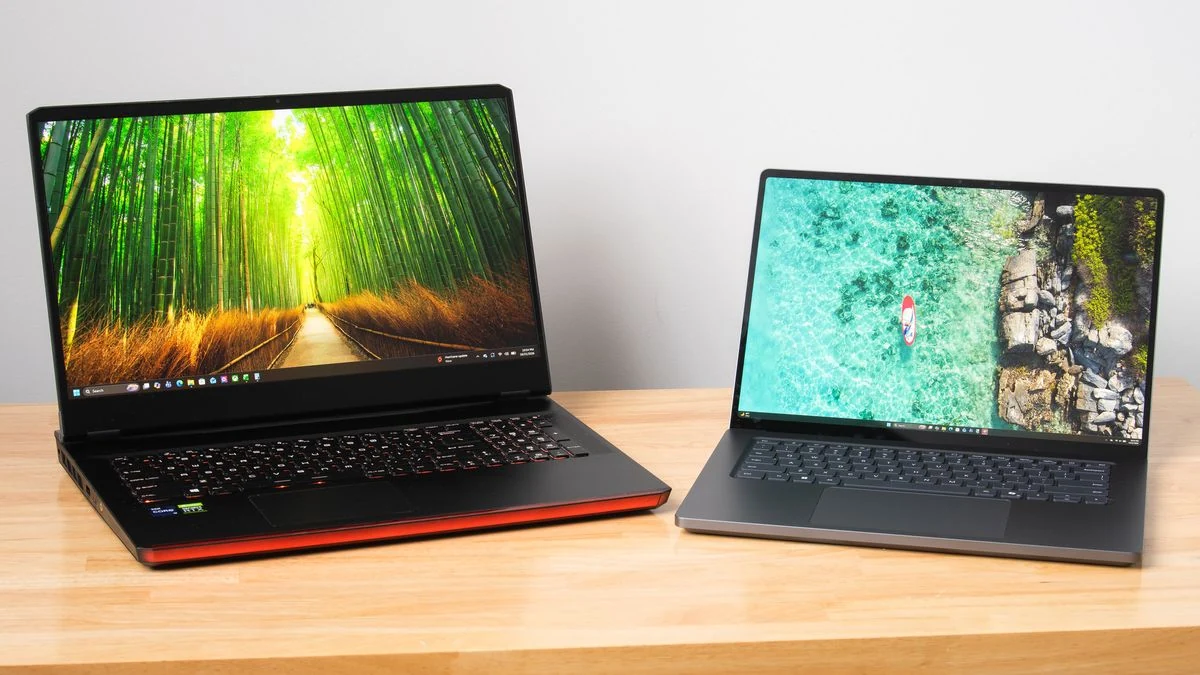
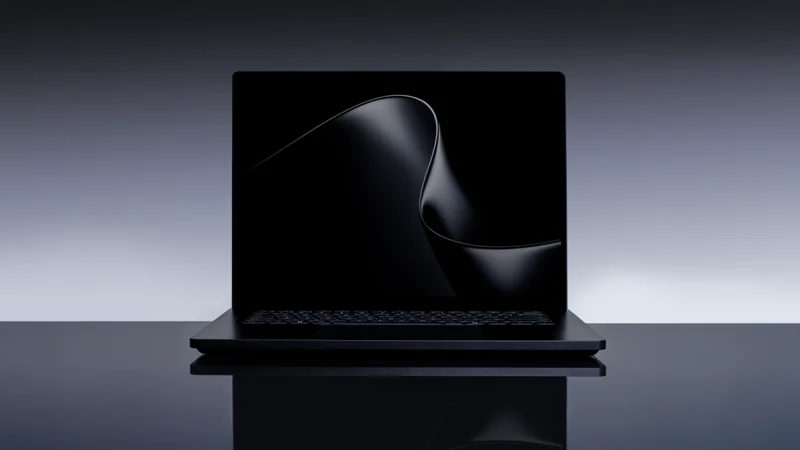
Nvidia recently launched its RTX Spark platform alongside hardware such as the Microsoft Surface Laptop Ultra. Although engineered for local artificial intelligence workflows and inference workloads, the device functions as a capable gaming system.
However, the laptop features a 3:2 display resolution of 3270x2180, placing heavy demands on the integrated Blackwell-based graphics processing unit. Testing custom-resolution configurations helps alleviate performance bottlenecks, making DLSS execution smoother on the hardware.
Tape Storage Growth and Industry Standards
Despite the rise of flash and hard disk drives, tape storage continues to experience demand driven by massive AI dataset archiving requirements. Industry shipments grew significantly year-on-year during the first quarter of 2026.
Major hardware manufacturers including IBM, HPE, and Quantum are working on future standards extending beyond LTO-10. Upcoming tape cartridges aim to deliver up to 365 TB of native capacity while preserving the established form factor.
Open-Source Software Vulnerabilities and AI Developments
A recent industry report highlights ongoing security and staffing challenges within foundational open-source software projects. Approximately half of critical infrastructure packages examined rely on only one or two maintainers, raising concerns over underfunding and vulnerability risks.
Meanwhile, the artificial intelligence sector saw the release of Deepseek's V4-Flash-1017 model. While offering strong agentic workload capabilities at a lower cost-per-task ratio compared to several Western counterparts, analysts note that the open-weight model exhibits a higher propensity for hallucinations.
Readers seeking full access to these specialist semiconductor industry deep dives and benchmarking resources can review membership options via the platform portal.
Sources
- Tom's HardwareThis week on Tom's Hardware Premium: October 24, 2026
Continue chronologically

Related entity coverage
Related stories
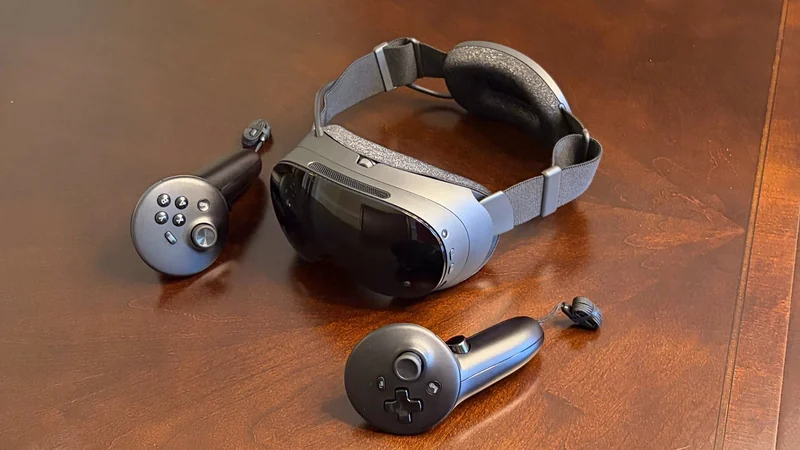
Microsoft Debuts AI Hardware and Windows 11 Changes
Microsoft held its first live event in two years, revealing the new Surface Laptop Ultra, the RTX Spark Dev Box, and major Windows 11 updates.
Tom's Hardware Details Vera CPUs and Agentic AI Benchmarks
Explore the latest Tom's Hardware coverage including Nvidia Vera CPUs on Oracle clusters, agentic AI benchmarks, and LLM primers.
Nvidia GPU Driver 621.01 Adds Advanced Shader Delivery
Nvidia's latest 621.01 GPU driver introduces Microsoft's Advanced Shader Delivery technology to speed up game launches and reduce stutters.
Microsoft Surface Laptop Ultra Review: A New Arm-Based Pro Rival
Explore the Microsoft Surface Laptop Ultra review, featuring Nvidia RTX Spark Arm chips, local AI models, 15-inch mini-LED touchscreen, and MacBook Pro-like design.