
Microsoft Debuts AI Hardware and Windows 11 Changes
Microsoft held its first live event in two years, introducing AI-friendly hardware like the Surface Laptop Ultra and announcing significant updates to Windows 11.
 Radwan AbdulhadiEditor and technology writer
Introduction and Hardware Debuts
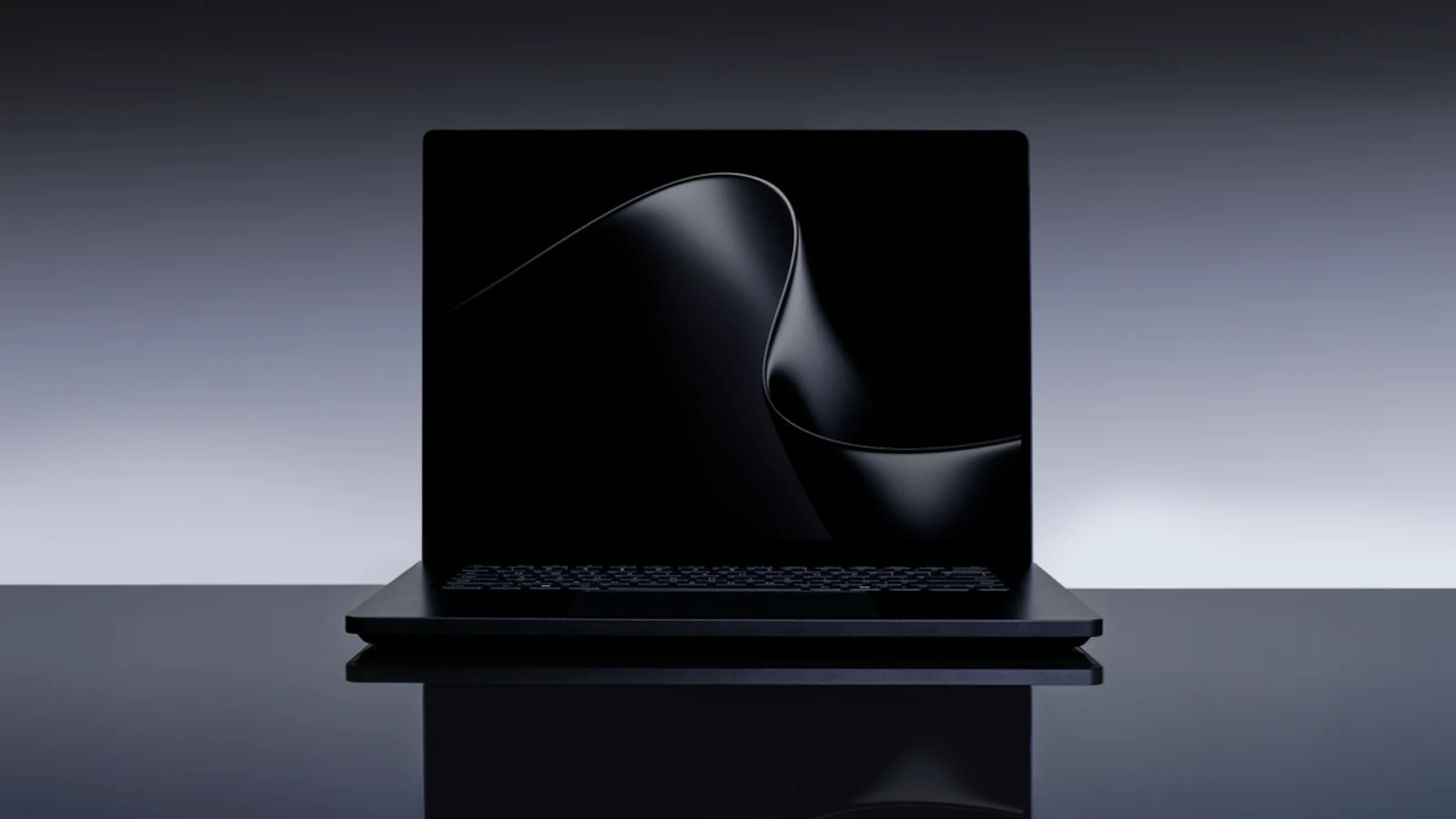
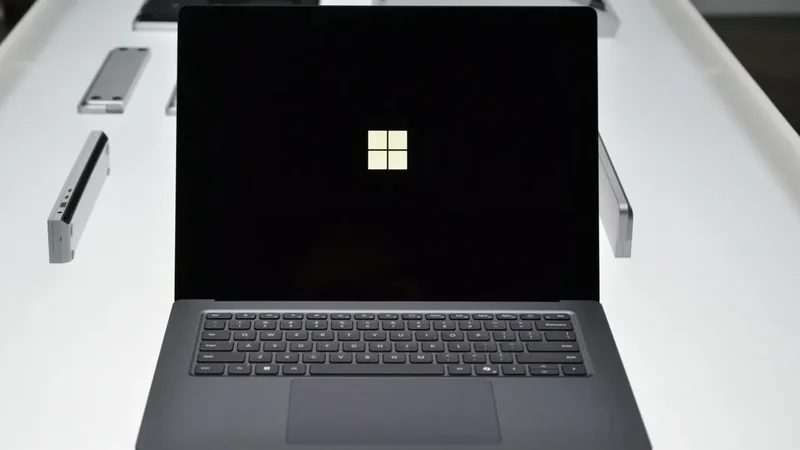
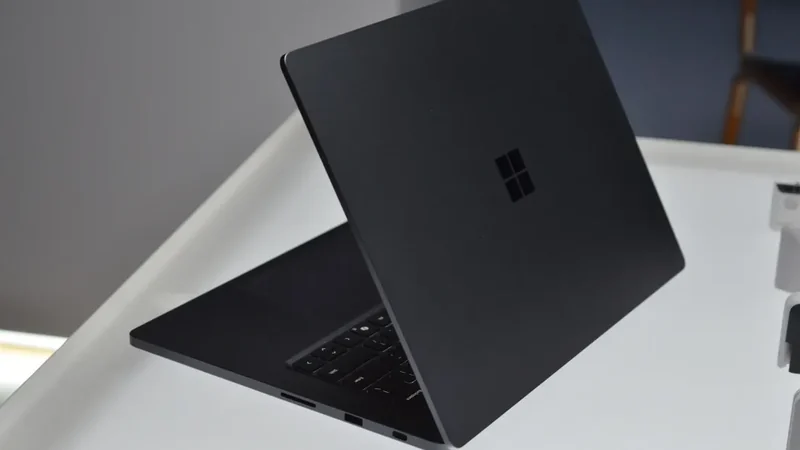
In its first live event in two years, Microsoft announced its newest Surface laptop, outlined a host of changes coming to Windows 11, and shared a vision of how local AI and agentic workflows could reshape personal computing for developers and enthusiasts alike. Among the major hardware reveals was the device originally teased in May 2026, known as the Surface Laptop Ultra.
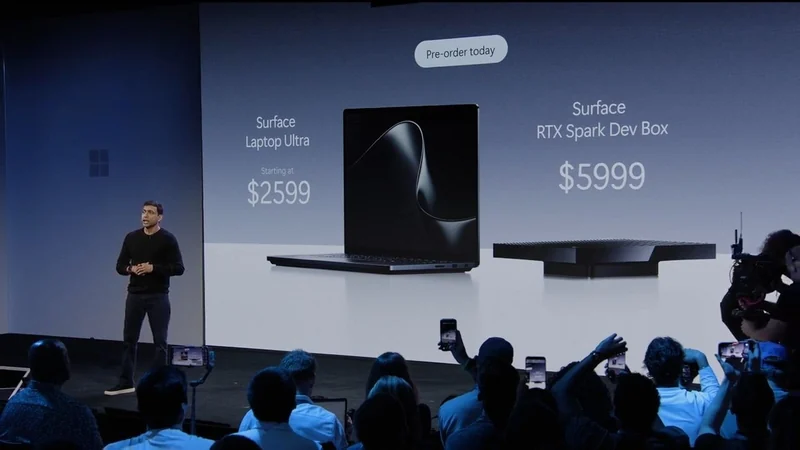
The new Surface Laptop Ultra will be Microsoft’s first offering to take advantage of the new Nvidia RTX Spark system on a chip. The device carries a starting price of $2,599 and is available for pre-order now, with shipping scheduled to begin on October 16.
Surface Laptop Ultra Specifications and Capabilities
The Surface Laptop Ultra comes in various SoC and memory configurations, offering either a 5120-core or 6144-core Blackwell GPU and up to 128GB of LPDDR5x unified memory. While focused heavily on the developer crowd, the laptop's graphical performance was heavily highlighted during the presentation.
By relying on unified memory allocation instead of traditional physical VRAM limits, the laptop can manage modern gaming workloads alongside local AI development and deployment. During the presentation, Gears of War: E-Day was shown running live on the system, demonstrating that AAA titles are fully supported even without a dedicated traditional gaming GPU.
Surface RTX Spark Dev Box
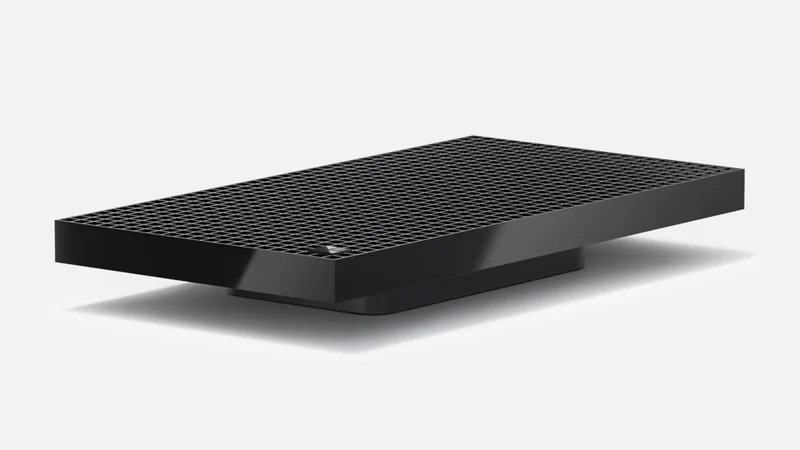
Pavan Davuluri, President of Windows and Devices, was joined on stage by Nvidia CEO Jensen Huang and Microsoft CEO Satya Nadella to unveil the Surface RTX Spark Dev Box. Priced at $5,999, this anodized aluminum black box is designed specifically to meet the needs of frontier developers.
The Spark Dev Box ships with 128GB of unified memory and an onboard Nvidia RTX GPU, claiming a peak of one petaflop, or 1,000 teraflops, of AI compute performance. Its chassis design features 1,000 air vents as a direct nod to this metric, sporting a sleek aesthetic that resembles an Xbox Series X or an Android TV box more than a traditional desktop PC.
Windows 11 Updates and Copilot Overhaul
Alongside the new hardware, Microsoft outlined several operating system changes headed to Windows 11 this fall. The built-in AI assistant Copilot is receiving a substantial overhaul, featuring a new layout divided into three distinct tabs: Home for interacting with LLM models, Code for prompting widget and application development without prior coding experience, and Autopilot for overseeing agentic bot tasks.
Additionally, a forthcoming update later this year will allow users to execute system-level tasks directly from the taskbar search bar. Users can describe desired actions, such as adjusting display settings, rather than manually opening traditional panels like the Control Panel.
Security Framework and Hybrid Intelligence
To address security concerns surrounding autonomous AI bots, Microsoft introduced Microsoft Execution Containers (MXC). Designed as a policy layer, MXC acts as a containment sandbox that allows administrators to monitor active agents and set strict guardrails on data access.
Depending on the workload, MXC can shift traffic across process containers, session containers, WSL containers, or experimental hardware-backed MicroVMs. This infrastructure supports Microsoft's broader 'Hybrid Intelligence' initiative, which emphasizes local AI processing through native frameworks like llama.cpp and models from families such as Deepseek and Nvidia Nemotron.
Sources
- Ars TechnicaMicrosoft event debuts new AI-friendly hardware and Windows changes
Continue chronologically
Related entity coverage
Related stories
Microsoft Launches Surface Laptop Ultra with Nvidia RTX Spark
Microsoft unveils the Surface Laptop Ultra and Dev Box, powered by Nvidia RTX Spark chips and a revamped Windows 11 featuring Execution Containers.
Microsoft Surface RTX Spark Dev Box Priced at $6,000
Microsoft's developer-focused Surface RTX Spark Dev Box is available for preorder at a hefty $6,000 and begins shipping in November.
Microsoft and Nvidia Launch Surface Laptop Ultra
Microsoft and Nvidia have debuted the Surface Laptop Ultra powered by the new RTX Spark chip, starting at $2,599 alongside pre-orders and new Windows 11 AI updates.
Microsoft Surface Laptop Ultra Launches October 16 at $2,599
Microsoft announces the release date and pricing for the Nvidia RTX Spark-equipped Surface Laptop Ultra, starting at $2,599.