Alex Gibney's 4-Hour Musk Documentary Examines Tech Titan
Oscar-winning director Alex Gibney presents a comprehensive, nearly four-hour biographical documentary that challenges the public image of tech figure Elon Musk.
 Radwan AbdulhadiEditor and technology writer
A Comprehensive Look at a Polarizing Figure
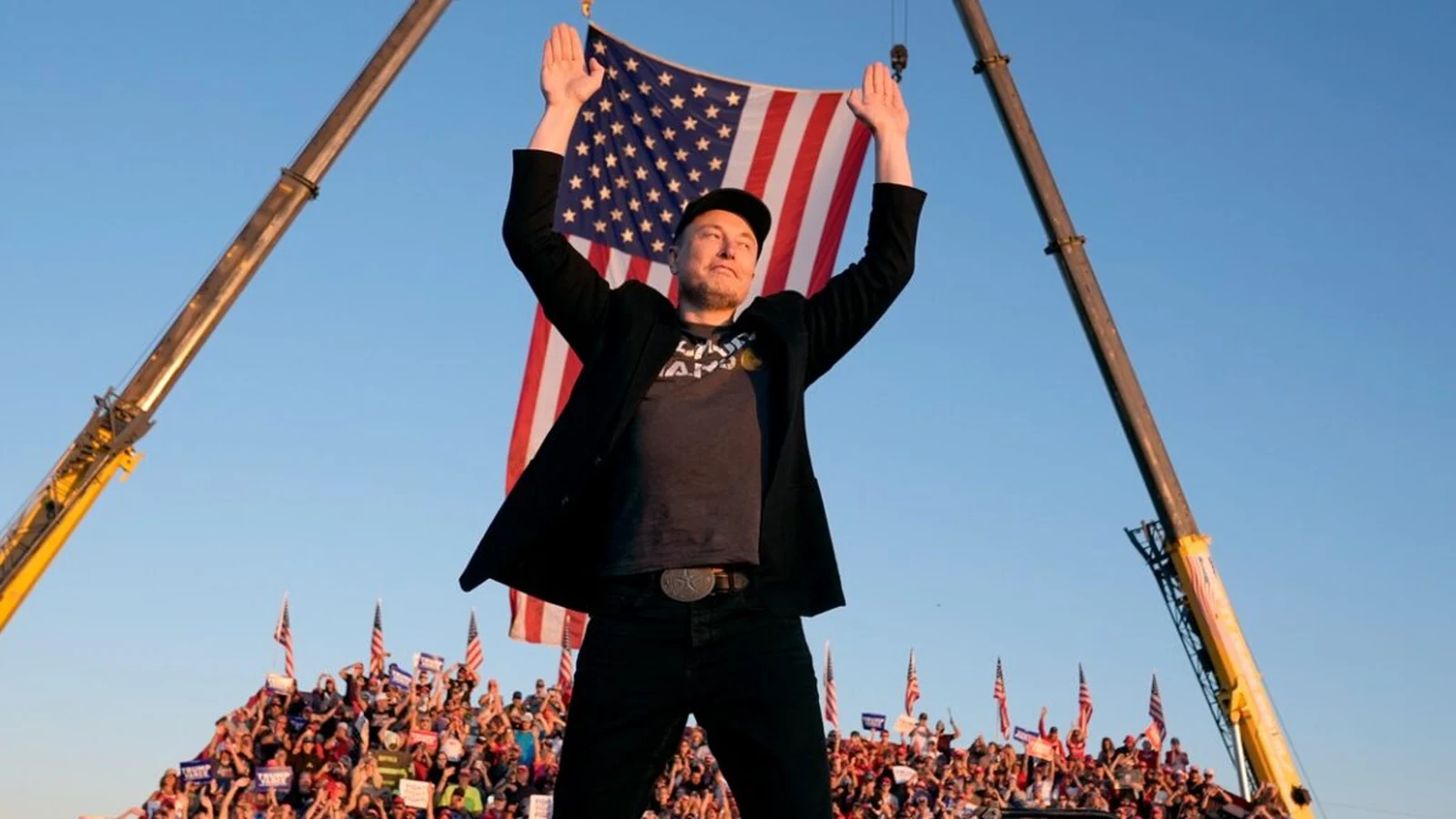
Elon Musk has exerted massive influence on the technology sector over the past two decades. Oscar-winning director Alex Gibney has captured this trajectory in a biographical documentary simply titled Musk, which covers well-known ground while challenging the carefully crafted public image of the tech titan.
Gibney presents the subject as a 21st-century Gilded Age confidence man—an investor posing as an inventor whose primary talent involves pumping stocks and dazzling the public with visions of a utopian technological future. This framing is designed to provoke strong reactions from both supporters and detractors alike.
Director Background and Pre-Release Controversy
Alex Gibney has built a substantial documentary career since the 1980s, tackling diverse subjects ranging from music icons to corporate scandals and political controversies. He earned his first Oscar nomination for the 2005 corporate scandal film Enron: The Smartest Guys in the Room.
Following that success, Gibney won the Oscar for Best Documentary Feature with Taxi to the Dark Side two years later, cementing his reputation for investigating difficult and contentious subjects.
Tackling Elon Musk proved to be a natural progression for the filmmaker, though the project drew immediate controversy. Even before its release, the film encountered the ire of its subject alongside threats of a defamation lawsuit. Rumors also circulated regarding international distribution concerns.
Covering Enterprises and Diverse Perspectives
The documentary explores numerous well-documented aspects of Musk's career and personal life, including Tesla and fatalities linked to its driver-assistance systems, SpaceX, Starlink, and the acquisition of Twitter. It also addresses his shift regarding artificial intelligence from early risk warnings to embracing Grok, his political alignment, the creation of DOGE, alleged drug use, and his children.
To unpack these developments, the film features interviews with an array of notable individuals. Interviewees include ex-wife Justine Musk, Kara Swisher, Martin Eberhard, Geoffrey Hinton, Ashley St. Clair, Cory Doctorow, Adam Becker, and Sam Harris. Additionally, musician David Byrne co-wrote and performed an original soundtrack song titled 'Let Me Sell You a Dream' that incorporates Musk's own words.
A Structure That Feels Like Two Distinct Films
Despite strong filmmaking craft, the documentary's structure results in a viewing experience that often feels like two separate films. The first half centers on early entrepreneurial years, blending archival footage and traditional talking heads to humanize Musk and reflect on his earlier public persona.
Conversely, the second half focuses on the period following the Twitter acquisition and political shifts. The tone becomes markedly more adversarial, reflecting the director's established refusal to adopt a neutral journalistic 'view from nowhere.'
During a post-screening Q&A session, Gibney explained that he originally finished the project in 2024, but HBO requested an extension to document subsequent events. This expansion contributed to a runtime approaching four hours, complete with a 10-minute intermission.
AI Stand-In and Theatrical Rollout
Because Musk declined to participate in a formal interview, the production utilized an artificial intelligence avatar to recite verbatim public quotes. While conceptually aligned with the futuristic themes championed by tech leaders, the execution produced an uncanny valley effect that fell short compared to authentic archival footage.
The documentary presents Musk as an idealistic dreamer ultimately altered by wealth and power, though it offers limited insight into the origins of his modern path. Following initial screenings in select theaters in New York and Los Angeles, the film is scheduled for a broader release across the United States on October 14, 2026.
Sources
- Ars TechnicaReview: 4-hour Musk documentary feels like two different films
Continue chronologically

Related stories
Elon Musk Confirms TSMC Discussions for Terafab Project
Elon Musk has confirmed discussions with TSMC regarding a potential collaboration for the Terafab semiconductor production initiative.
SpaceX and Tesla Exploring Possible Merger, Musk Says
SpaceX and Tesla have formed special committees of independent directors to discuss a potential merger, though Elon Musk says it is not a certainty.
Elon Musk Intensifies Attack on Ambani Over Starlink India Delay
Elon Musk escalates criticism against billionaire Mukesh Ambani over the stalled launch of Starlink in India, accusing him of blocking competition.
Tesla Roadster Flying Stunt Highlights Prototype Reality
Tesla's recent demonstration of a flying Roadster showcased impressive engineering and cold-gas thrusters, but the vehicle is not approved for public road use.