SpaceX and Tesla Exploring Possible Merger, Musk Says
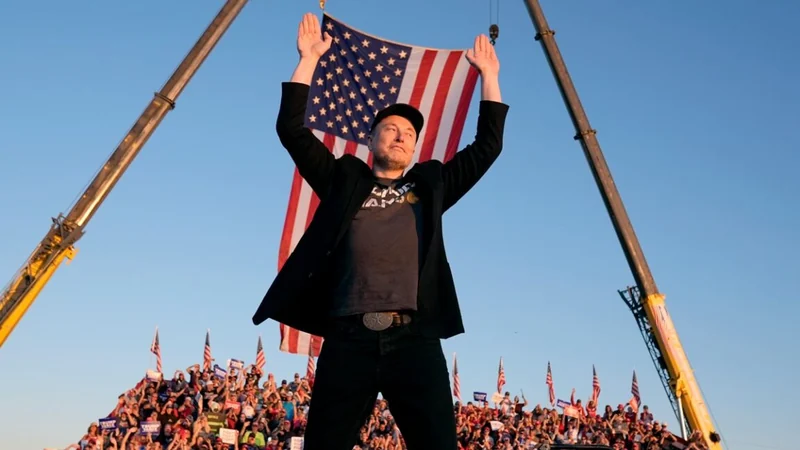
SpaceX and Tesla have established special committees of independent directors to evaluate a potential merger following requests from shareholders. CEO Elon Musk has expressed support for the concept, while cautioning that significant hurdles remain before any transaction can move forward.
 Radwan AbdulhadiEditor and technology writer
Special Committees Formed to Review Potential Merger
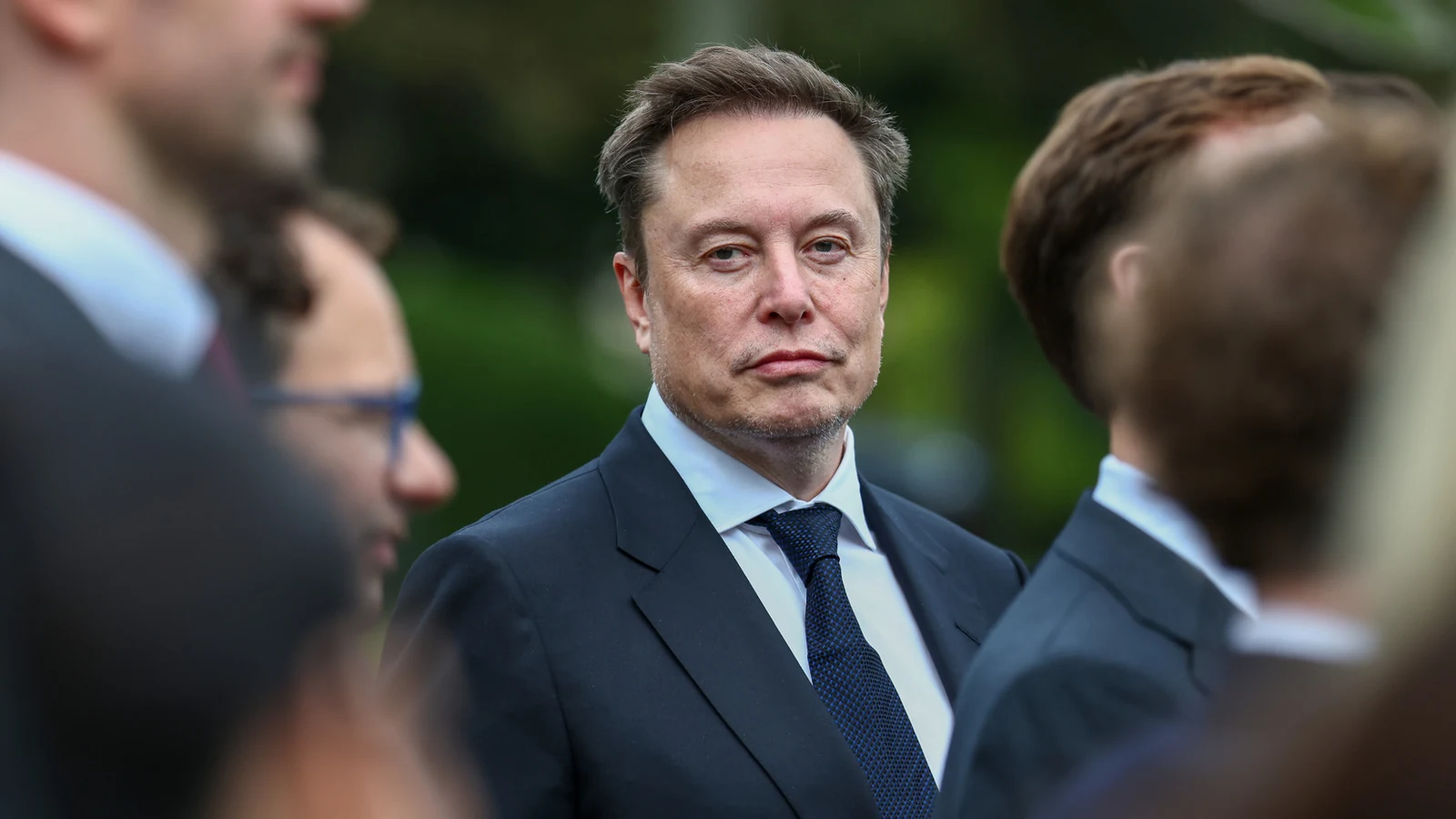
The boards of both SpaceX and Tesla have officially formed special committees consisting of independent directors to evaluate a possible merger between the two companies. According to details shared by Chief Executive Officer Elon Musk, these committees were established in direct response to requests made by shareholders.
Because Musk serves as the chief executive officer for both companies and is classified as a conflicted party, he is strictly excluded from participating in the deliberations of these special committees. During an earnings call, Musk humorously described the situation as an odd dynamic where two distinct groups are holding discussions while he remains entirely outside the conversation.
Corporate filings and website information indicate that Tesla features seven independent board members, while SpaceX lists six independent directors. Ira Ehrenpreis uniquely serves on the boards of both organizations, holding key committee chair roles and maintaining independent status across both corporate structures.
Additionally, financial ties have deepened between the firms following corporate investments, with Tesla holding a shareholder stake in SpaceX after prior financial restructuring involving xAI stock transactions.
Merger Not a Guaranteed Outcome, Musk Warns
Despite the formal creation of the reviewing committees, Elon Musk has cautioned observers and investors against assuming that a combination between the automotive and aerospace manufacturers is a guaranteed certainty. The special committees have not yet reached any formal agreements regarding the terms of a potential transaction.
The voting thresholds required to approve such a monumental corporate reorganization present vastly different challenges for each company. At SpaceX, Musk holds a dominant majority of the voting power, which would heavily streamline approval from the space enterprise.
Conversely, the process at Tesla is significantly more complex. To successfully clear the regulatory and corporate hurdles required for a merger, Tesla must secure a positive vote from 50 percent of all total shareholders, rather than merely a majority of those who actively cast ballots during a meeting.
Market analysts and financial institutions have closely monitored these developments, with some advisory notes suggesting that further clarity or potential announcements could emerge around the time of Tesla's upcoming annual shareholder gatherings.
Strategic Rationale and Potential Synergies
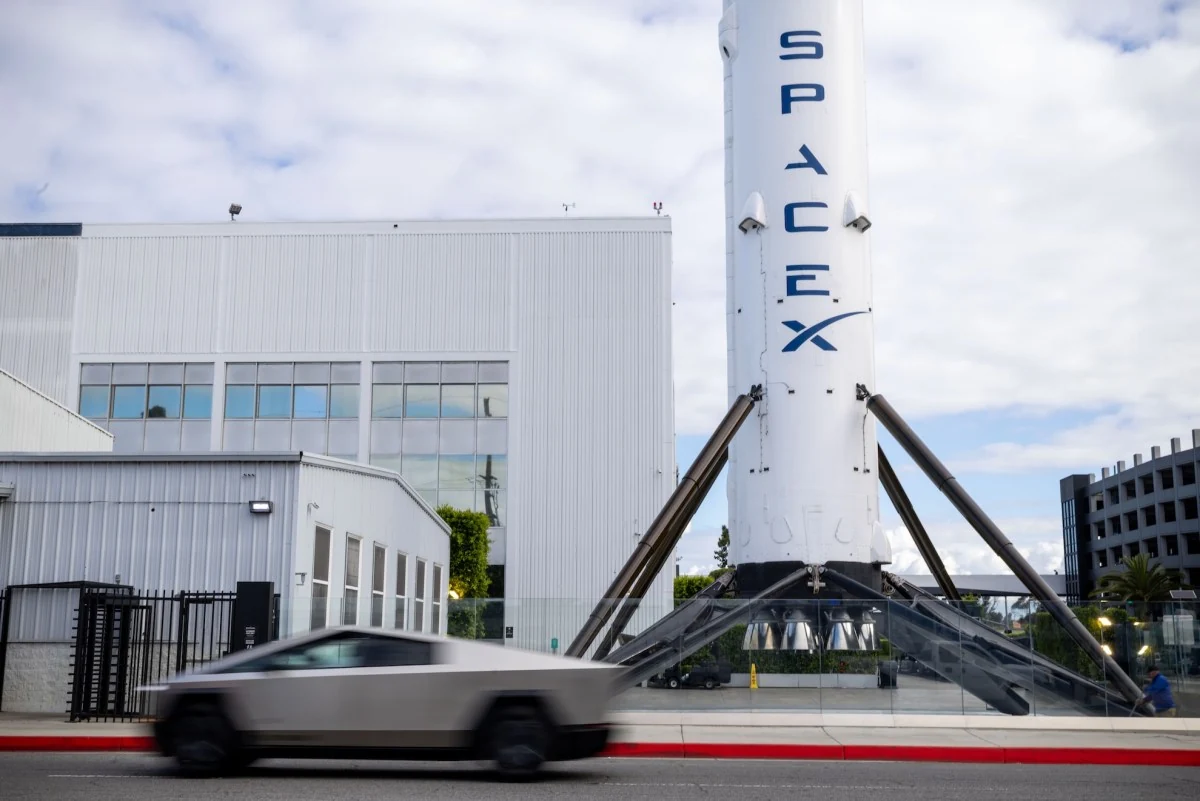
Addressing the fundamental business logic behind the discussions, Musk described the potential integration as a sound idea that holds considerable merit. He pointed specifically to the rapid acceleration of artificial intelligence and the approach of technological milestones.
According to the leadership team, combining the resources and engineering talent of both firms would create substantial advantages in several critical technological domains. These include collaborative development efforts centered on superintelligence software, advanced semiconductor chip design, and cutting-edge robotics.
Additional operational synergies mentioned during the financial reviews involve mass-to-orbit technological systems, specialized connectivity constellations, and advanced manufacturing initiatives designed to support long-term engineering objectives across both aerospace and terrestrial vehicle production.
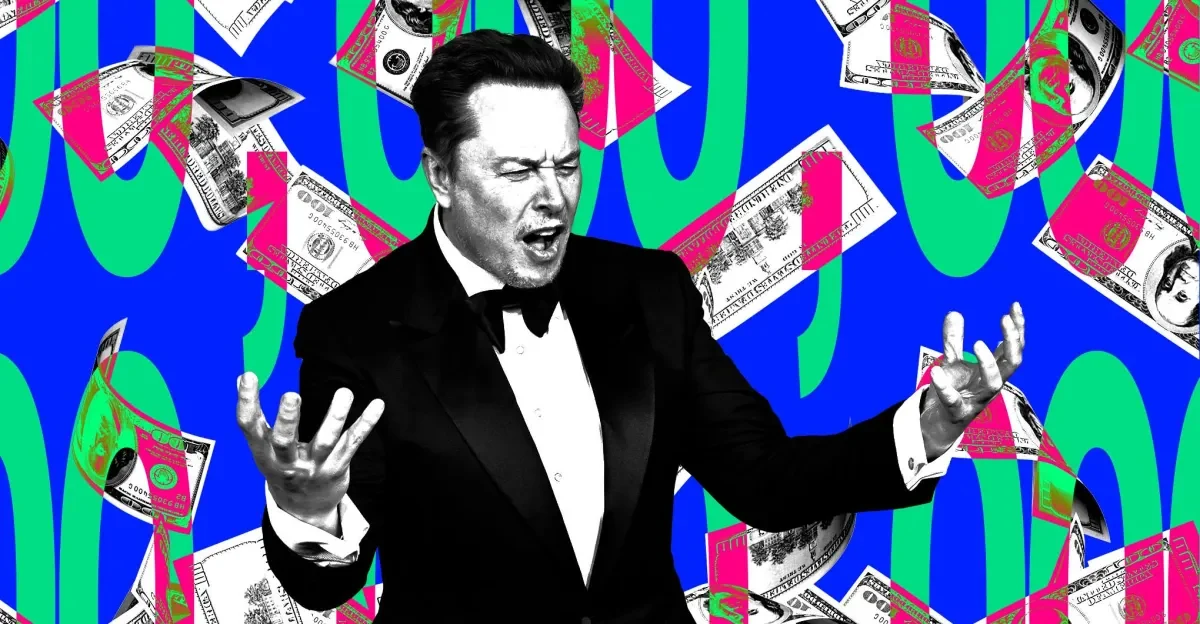
Evaluating Financial and Operational Tradeoffs
A potential transaction between SpaceX and Tesla would constitute a historic corporate consolidation, effectively uniting two of the world's most high-profile technology firms into a multi-trillion-dollar mega-entity. However, industry analysts note that any definitive agreement would entail notable financial and structural tradeoffs.
Depending on the transactional structure and whether Tesla absorbs SpaceX or vice versa, existing shareholders could experience significant dilution or shifts in proportional equity. Furthermore, the immense capital requirements demanded by SpaceX's continuous orbital launch schedules and space exploration goals could potentially draw financial resources away from Tesla's automotive and clean energy manufacturing expansion projects.
Despite these potential complications, supporters argue that a unified enterprise would provide a singular, centralized investment vehicle for individuals looking to back Musk's long-term vision encompassing autonomous robot fleets, humanoid robotics, artificial general intelligence, and sustainable multi-planetary habitats.
Sources
- EngadgetSpaceX and Tesla are exploring a possible merger
- The VergeTesla and SpaceX are discussing a possible merger, Musk says
- TechCrunchSpaceX and Tesla boards form special committees to review merger
Continue chronologically
Related stories
Elon Musk Confirms TSMC Discussions for Terafab Project
Elon Musk has confirmed discussions with TSMC regarding a potential collaboration for the Terafab semiconductor production initiative.
Tesla Roadster Flying Stunt Highlights Prototype Reality
Tesla's recent demonstration of a flying Roadster showcased impressive engineering and cold-gas thrusters, but the vehicle is not approved for public road use.
Elon Musk Intensifies Attack on Ambani Over Starlink India Delay
Elon Musk escalates criticism against billionaire Mukesh Ambani over the stalled launch of Starlink in India, accusing him of blocking competition.
Alex Gibney's 4-Hour Musk Documentary Examines Tech Titan
Alex Gibney's four-hour documentary examines Elon Musk's rise, blending archival footage and an adversarial tone in a two-part cinematic portrait.