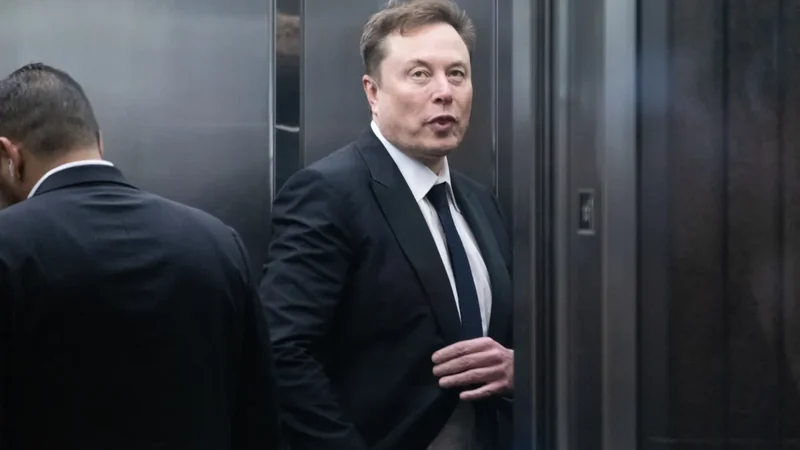
Elon Musk Confirms TSMC Discussions for Terafab Project
Elon Musk has confirmed that discussions are underway with TSMC regarding potential collaboration opportunities for the Terafab semiconductor production project.
 Radwan AbdulhadiEditor and technology writer
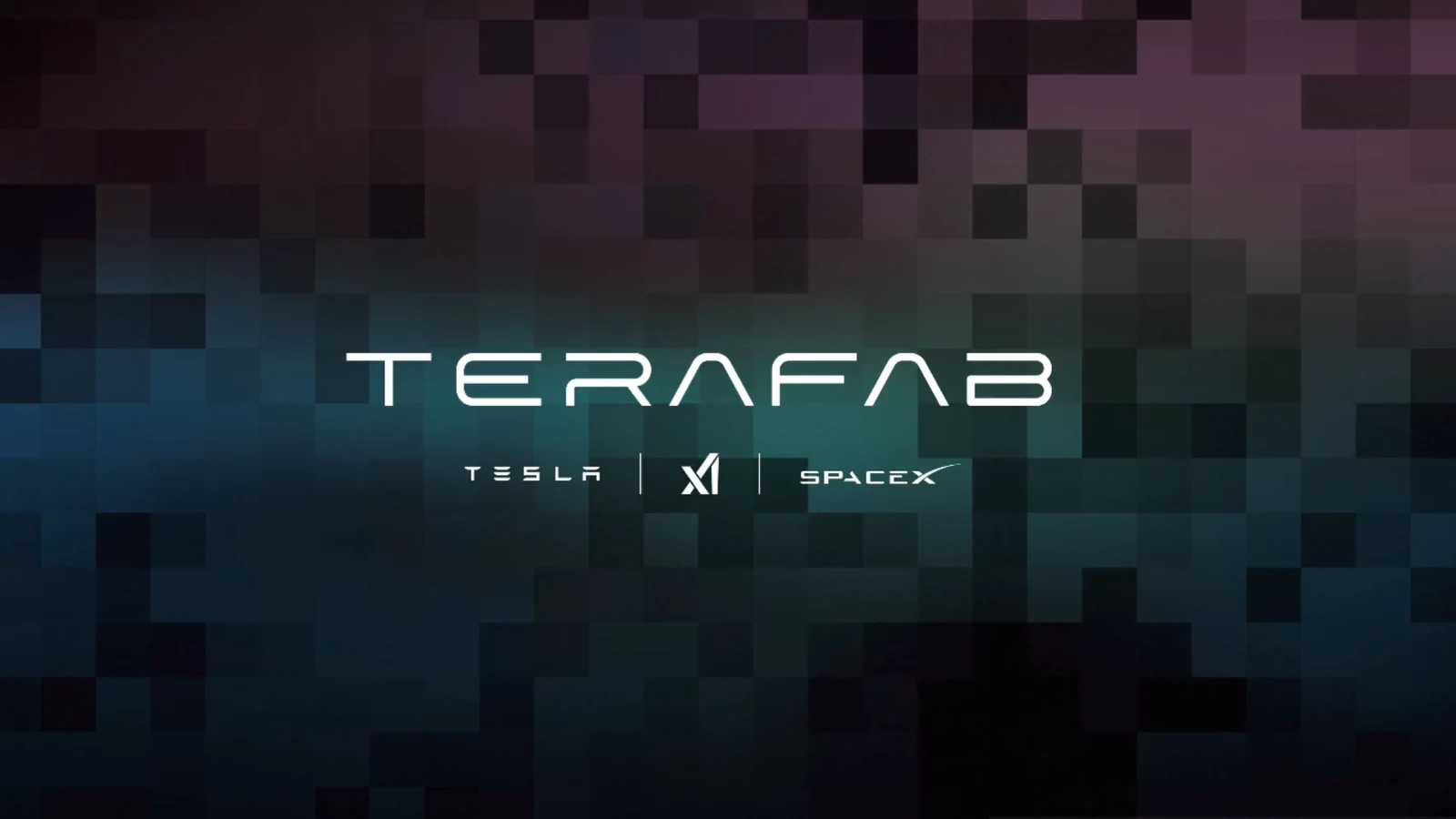
Musk Confirms TSMC Discussions
Elon Musk has confirmed that discussions are actively taking place with Taiwan Semiconductor Manufacturing Company (TSMC) regarding multiple collaboration opportunities for the ambitious [Terafab](https://www.tomshardware.com/tech-industry/semiconductors/analyzing-elon-musks-terafab-a-step-towards-tesla-and-spacexs-partial-vertical-integration-or-an-unattainable-dream) semiconductor production initiative. The initial reports regarding these exploratory talks surfaced via Tim Culpan’s newsletter, prompting widespread industry interest in how the world's leading contract chipmaker might intersect with Musk's enterprise ventures.
Addressing the public reports early on Saturday, Musk posted a brief statement on X acknowledging the dialogue without providing extensive details about the negotiations. 'Just discussions, but something may come of it,' Musk wrote. Meanwhile, TSMC has so far remained silent and tight-lipped regarding the nature of any prospective partnership or facility planning.
Potential Structures for Collaboration
Under the arrangement considered most probable by industry analysts, TSMC would own and operate a newly established semiconductor production facility. In this scenario, entities associated with SpaceX and the Terafab project could invest financially in the venture, commit to purchasing a guaranteed volume of chips, or combine both approaches to secure production capacity, although the exact ownership structure remains under active discussion.
An alternative structure could place SpaceX in control of the venture with majority ownership. Under that framework, TSMC would invest less capital while still providing critical operational expertise and proprietary process technologies. This second option would represent a completely novel arrangement for the world's top contract chipmaker, which typically maintains strict control over its advanced fabrication plants.
Additional reports and background details suggest that rumored intentions by TSMC to build a fabrication complex in Texas could be closely tied to the foundry's ongoing efforts to support the broader goals of Terafab. Such geographic alignment could facilitate smoother integration between chip fabrication and advanced packaging operations within the state.
Comparing Potential Operating Models
A more conventional arrangement resembling 'Plan A' could share similarities with TSMC's existing JASM and ESMC joint ventures located in Japan and Germany. In those international projects, local partners provide necessary capital and secure downstream demand, while TSMC contributes its advanced process technology and handles the day-to-day operation of the manufacturing facilities.
Conversely, the hypothetical 'Plan B' structure—where SpaceX would hold majority ownership while TSMC operates the facility—deviates significantly from standard industry practices. Because nothing has been finalized at this stage, industry observers note that these outlined frameworks should be viewed as preliminary possibilities rather than fixed options, as alternative arrangements could emerge as discussions progress.
Implications for Intel and Process Technology
The prospect of TSMC involvement introduces significant questions regarding the role of Intel, which has previously been identified as a partner for the initiative. Intel was slated to supply its advanced 1.4nm-class 14A process technology to Terafab for manufacturing chips utilized across Elon Musk's enterprise ecosystem, including SpaceX, Tesla, and xAI.
Should TSMC become formally involved and bring its own proprietary manufacturing nodes to the project, the utilization of Intel's 14A process could potentially be altered or displaced. Furthermore, because Terafab does not possess a broad cross-patent license agreement with TSMC—unlike Intel, which maintains extensive cross-licensing deals—producing chips on an Intel-developed node could potentially introduce patent clearance challenges that require careful management by Musk and his engineering teams.
Strategic Objectives of the Terafab Initiative
Despite exploring partnerships with major industry foundries, the primary objective of Terafab is not to establish a commercial foundry that competes directly against established giants like Intel Foundry, Samsung Foundry, or TSMC itself. Instead, the overarching goal is to secure an uninterrupted, surplus supply of custom silicon for Tesla, SpaceX, and xAI.
By ensuring a reliable internal supply chain for automotive systems, space exploration hardware, and artificial intelligence workloads, Musk aims to support the rapid technological scaling of his companies. Given this broad strategic mandate, the leadership team remains highly flexible regarding both tactical execution and long-term partnership strategies as negotiations with external semiconductor leaders continue to evolve.
Sources
- Tom's HardwareElon Musk confirms discussions with TSMC about Terafab chipmaking collaboration
Continue chronologically
Related stories
Sam Altman: OpenAI Won't Go Public Until Models Are Safe
OpenAI CEO Sam Altman says the company will not pursue an IPO until it can ensure model safety and avoid unwanted pressure from Wall Street.
AMD Surpasses $1 Trillion Market Cap Milestone
AMD has officially joined the elite trillion-dollar market cap club, outpacing Intel following a significant surge in stock price fueled by data center demand.
Tom's Hardware Hosts AI Chip Design Week
Tom's Hardware Premium presents AI Chip Design Week featuring an OpenAI interview, chipmaking insights, and agent safety updates.
Elon Musk Pitches Hyperloop Project for Austin and San Antonio
Elon Musk has announced plans for a "precursor Hyperloop" between Austin and San Antonio, though past Boring Company projects have faced implementation delays.