Deepwater Spill Caused Severe Gulf Ecosystem Collapse
A comprehensive study published in the Proceedings of the National Academy of Sciences reveals that a deepwater ecosystem in the northern Gulf of Mexico collapsed following the 2011 disaster, with animal populations falling by up to 85 percent.
 Radwan AbdulhadiEditor and technology writer
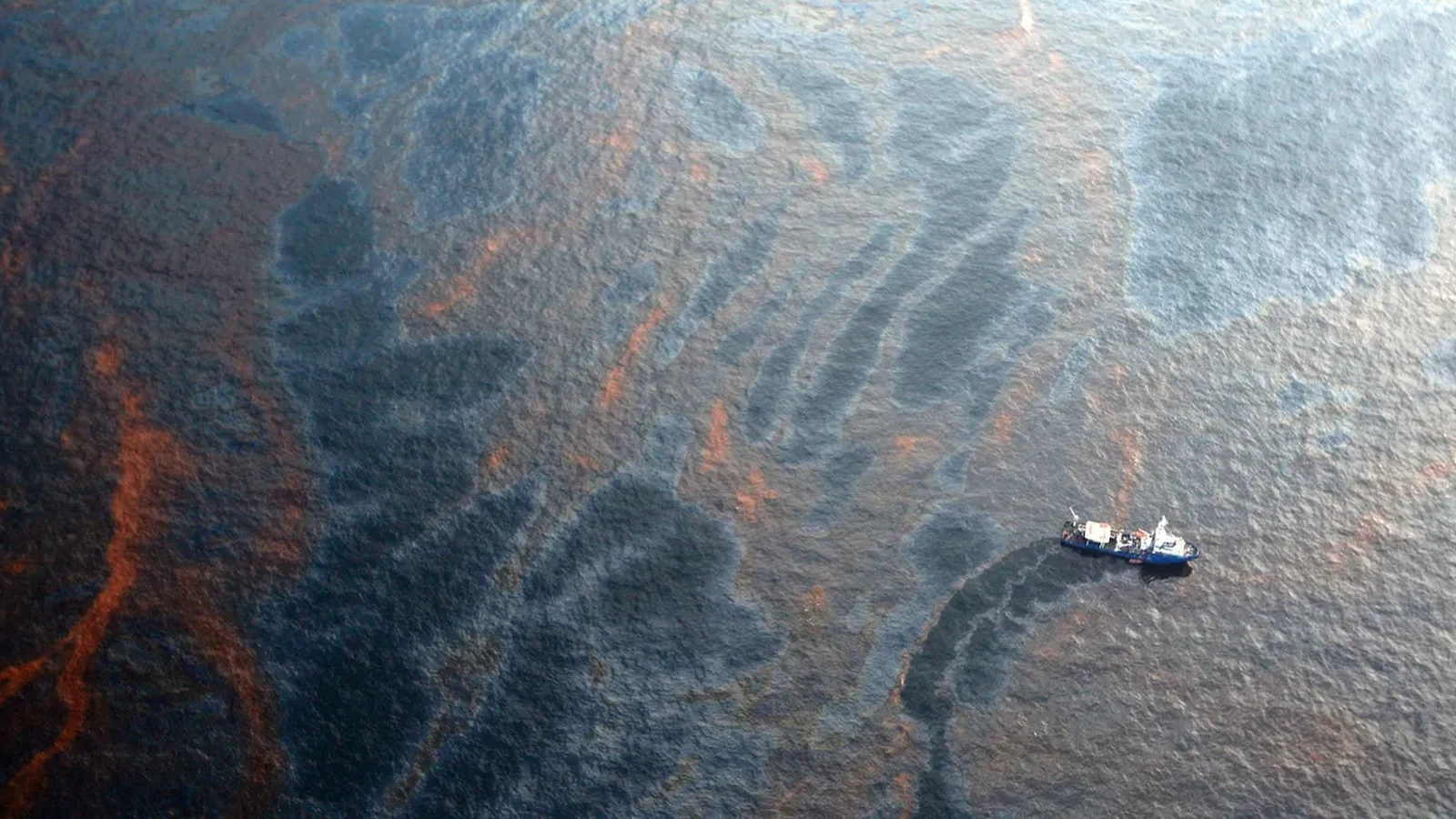
Severe Faunal Decline in the Gulf
Across hundreds of miles of the northern Gulf of Mexico, a deepwater ecosystem collapsed after the massive 2011 Deepwater Horizon oil and gas spill, and recovery remains uncertain according to new research. The study, published in the Proceedings of the National Academy of Sciences, found that animal populations declined by 60 to 85 percent in the three and a half years following the incident, with few signs of recovery since. Foundational species such as krill and lanternfish were hit hardest, while the die-off risks creating genetic bottlenecks that could further impede the ecosystem’s recovery.
Researchers identified the event as the fastest and most severe faunal decline documented for Earth's largest ecosystem type. After ruling out factors like water temperature and oxygen levels, the authors concluded that the Deepwater Horizon blowout was the primary explanation for the ecosystem’s collapse. Ongoing natural resource damage assessments and restoration efforts involving federal, state, and tribal trustees continue to address the environmental fallout from the catastrophe.
The Scale of the Disaster
A transoceanic drilling rig operated by BP approximately 50 miles southeast of the Mississippi Delta exploded on April 20, 2010. The explosion and subsequent fire killed 11 people and triggered the largest accidental marine oil spill in history. For 87 days, oil and gas spewed uncontrollably from the broken well nearly a mile beneath the surface, ejecting 4.9 million barrels of oil alongside 7.7 billion cubic feet of fossil gas into the deep sea.
While portions of the oil and gas dissipated, coated barrier islands, or settled onto the ocean floor, significant quantities of hydrocarbons and chemical dispersants remained suspended long enough to cause severe ecological damage. Previous studies have highlighted various toxic effects on marine organisms, including impaired development and reproduction, as well as rising mortality rates among marine mammals.
Ripple Effects Across Marine Life
The environmental consequences continue to ripple through the deep pelagic zone, which accounts for approximately 90 percent of the Gulf’s total volume. Lead author Tracey Sutton, a professor of marine and environmental sciences at Nova Southeastern University, noted that a 2024 study recorded an 80 percent decline in deep-diving toothed whales. Large predators have struggled due to the disappearance of dense prey patches.
Scientists utilized a baseline from nine months of sampling in 2011 and compared it against nine subsequent surveys conducted between 2015 and 2023. By deploying specialized nets that open and close at varying depths alongside ship-mounted scientific echosounders, the research team gathered extensive empirical evidence. Independent experts praised the methodology, noting that the alignment of net hauls, acoustic surveys, and genetic sampling delivers remarkably robust data.
Implications for Future Deep-Sea Activities
Remote ocean depths and habitats miles below the surface are often perceived as buffered from the pressures of human activity, but this disaster proved otherwise. The study's authors warn that proposed industrial deep-sea mining operations could severely damage vulnerable deepwater habitats before baseline conditions are fully understood. Independent marine biologists emphasize that the public must recognize the long-term devastation caused by the spill.
With the Gulf showing limited resilience and failing to recover after more than 15 years, scientists caution that other deep-water industrial interventions carry heavy ecological risks. Discharging wastewater containing heavy metals or lubricants from mining activities could compound the lingering stresses already impacting these fragile marine environments.
Sources
- WIREDOil Spills Wreak Havoc on the Bottom of the Ocean, Even a Decade Later
Continue chronologically


Related stories
Launch Crisis More Severe Than Anticipated, Report Says
A new report from Quilty Space indicates that the global rocket launch crisis is worse than expected and may persist well into the late 2030s.
Nvidia RTX 5080 Prices Hit $2,000 Amid Severe Stock Shortages
Nvidia GeForce RTX 5080 prices have surged to $2,000, leaving its original $999 MSRP behind and matching the launch price of the RTX 5090.

Nordic Tech Ecosystem Accelerates Advanced Computing
Discover how Nordic countries are driving technological innovation, sovereign infrastructure, and AI development with advanced computing systems.

AI Chip Smugglers Exploit Loophole for Banned HBM in China
AI chip smugglers are exploiting a trade control loophole by packaging banned South Korean HBM chips with cheap processors to bypass customs restrictions into China.