Launch Crisis More Severe Than Anticipated, Report Says
A new analytics report warns that the global shortage of rockets will persist through the decade and could potentially extend into the late 2030s.
 Radwan AbdulhadiEditor and technology writer
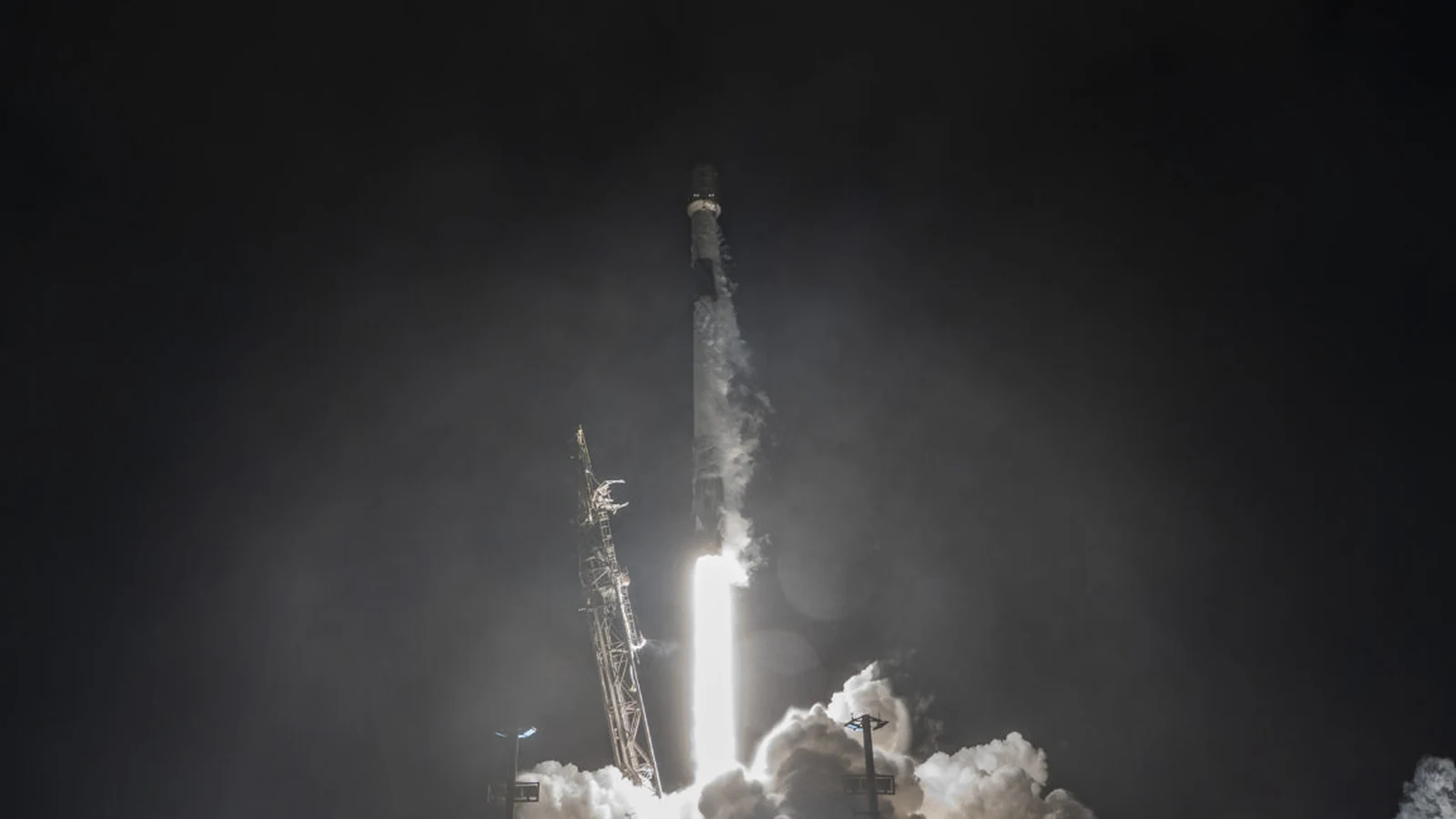
Global Rocket Shortage Expected to Persist
A new report confirms that, outside of China, the world faces a significant shortage of rockets over the next five years. [The firm estimates:] that between now and 2030, there will be a shortfall of about 150 launches compared to demand from satellite operators and civil space agencies.
If demand from the US military is added in—and SpaceX does not extend the Falcon 9 and Falcon Heavy program to accommodate increased national security needs—the shortage could double.
Caleb Henry, director of research at Quilty Space, stated that the launch crisis is more severe than initially thought and will not resolve this decade, potentially lingering until late in the 2030s.
Factors Driving the Launch Crunch
The report highlights several familiar factors contributing to the crisis, including the war in Ukraine removing Russian rockets from the Western market, Amazon Leo demand, and developmental delays across a new generation of rockets such as New Glenn, Vulcan, Neutron, Terran R, and Nova. Additionally, the retirement of the Falcon 9 as a rocket for commercial service has further contracted supply.
At the same time, demand for satellite launches is soaring due to megaconstellation operators like Amazon and numerous small satellite startups. The report estimates the crunch will peak in 2028 before slowly improving, leaving latecomers with very few options.
SpaceX, Starship, and the Commercial Market
Key uncertainties could change the outcome, most notably the actions of SpaceX. While winding down its Falcon 9 program, SpaceX has the potential to solve the crisis with Starship, though the company has not aggressively marketed Starship as a commercial launch option.
Observers note that Starship currently lacks a conventional payload fairing door for traditional satellites, instead using a narrow door optimized for deploying Starlink satellites like a PEZ dispenser.
Customers are adapting to these constraints. During an earnings call, Telesat CEO Dan Goldberg noted that to utilize Starship for future missions, satellite operators may need to configure their hardware to fit into SpaceX's specialized dispensers, provided government and internal priorities allow for commercial availability.
Mitigating Factors and Military Demand
Another potential mitigating factor is the acceleration of Blue Origin's New Glenn rocket launch cadence. Quilty Space utilized a conservative forecast predicting eight launches in 2028, 12 in 2029, and 16 in 2030, though Blue Origin is building upper-stage production capacity for up to 150 units annually.
Meanwhile, the US military faces a dramatic increase in forecast demand for national security space launches across its various lanes, including programs like the Space-Based Airborne Moving Target Indicator constellation.
Although this surge was excluded from Quilty's initial calculations, analysts believe the US government will compel SpaceX to execute missions deemed national priorities.
Sources
- Ars TechnicaAnalysts find looming launch crisis is "more severe" than anticipated
Continue chronologically
Related stories
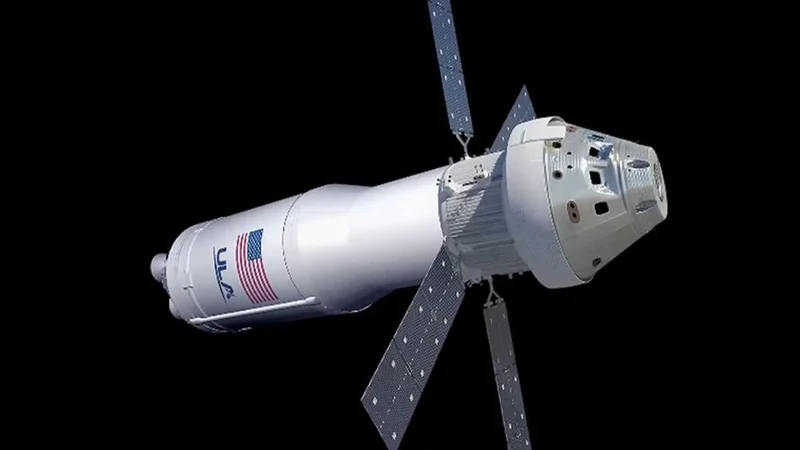
NASA Updates Artemis Lander Plans and Solves Orion Issue
NASA has detailed updated Artemis lunar lander plans, modifying mission architecture for SpaceX and Blue Origin while addressing Orion propulsion challenges.
SpaceX Plans First Ever Starship Upper Stage Catch in November
SpaceX aims to catch Starship's upper stage and Super Heavy booster using launch tower arms during its upcoming fifteenth test flight next month.
SpaceX AI Business Surpasses Expectations in Third Quarter
SpaceX reports $14.6 billion in third-quarter revenue, driven by its growing artificial intelligence business and data center operations.
Anthropic Files S-1 Prospectus for Nasdaq IPO
Anthropic has filed its S-1 prospectus with the SEC to list on Nasdaq under the ticker ANT, detailing financials, risks, and compute deals.