AI Chip Smugglers Exploit Loophole for Banned HBM in China
Smugglers are utilizing a regulatory loophole to transport export-controlled high-bandwidth memory chips from South Korea into China by attaching them to inexpensive, unsanctioned processors.
 Radwan AbdulhadiEditor and technology writer
Exploiting the Trade Control Loophole
A memory smuggler has detailed how export-controlled HBM chips are successfully moved from South Korea into China by taking advantage of a regulatory oversight. According to a report by [The Information](https://go.redirectingat.com?id=92X1584492&xcust=tomshardware_us_1242366362737292400&xs=1&url=https%3A%2F%2Fwww.theinformation.com%2Farticles%2Fsmugglers-get-expensive-memory-chips-china-south-korea&sref=https%3A%2F%2Fwww.tomshardware.com), the smuggler operates a chip design firm that builds cheap, low-performing processors falling safely under U.S. and South Korea export controls. Further details are available from Tom's Hardware in the original source material.
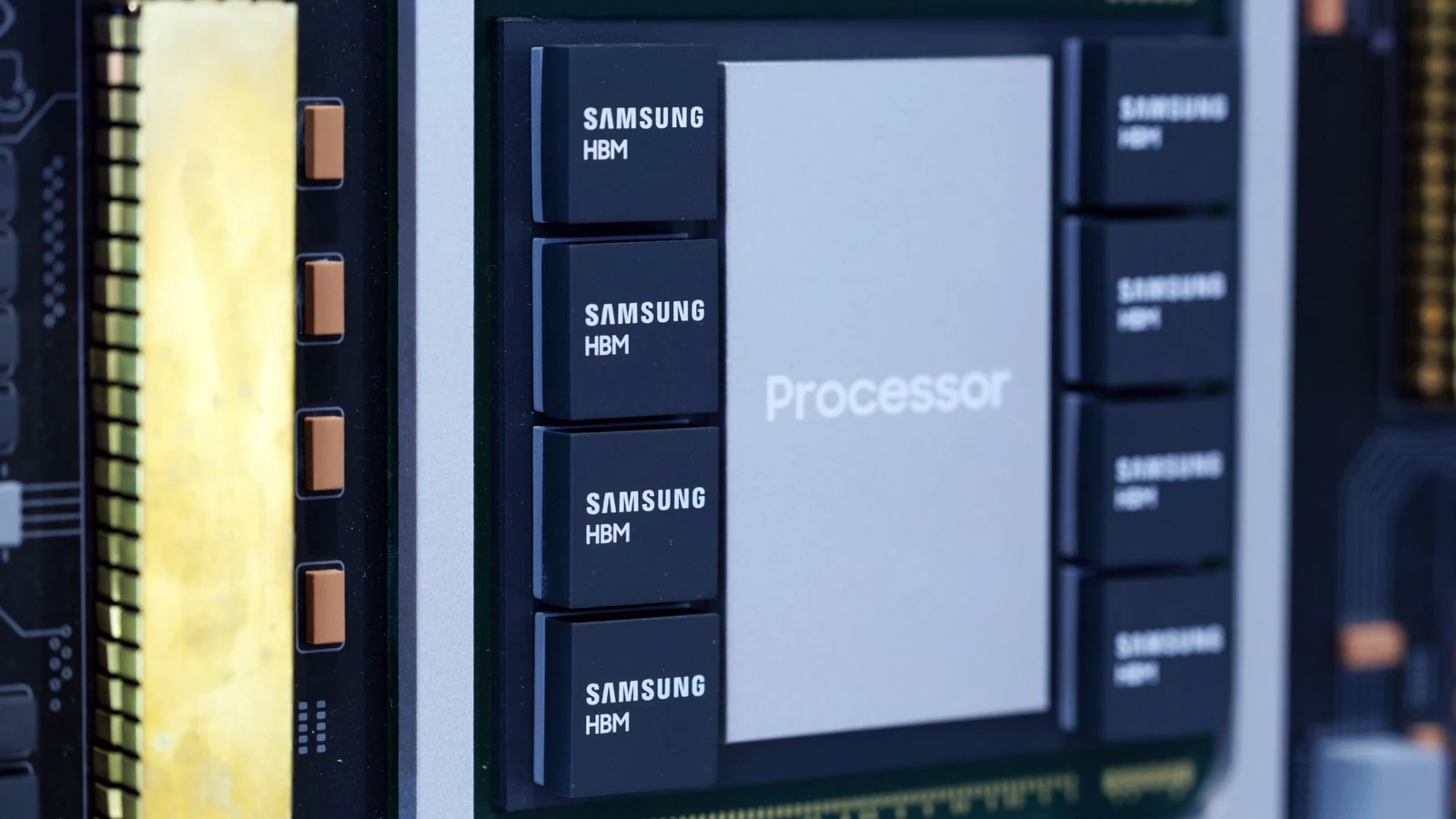
These inexpensive processors are paired with expensive high-bandwidth memory from manufacturers like Samsung and SK hynix, which are ordinarily banned for direct export to China. Because current trade control rules inspect only the performance specifications of the server processor itself rather than examining other attached components, the high-end memory chips manage to slip past radar and enter the country legally.
The Smuggling and Extraction Process
The cross-border operation is not entirely risk-free. After the mediocre processors outfitted with high-end memory land in Hong Kong, they are manually smuggled across the border into Shenzhen hidden within the luggage of daily commuters who travel between the two regions.
Once inside Shenzhen, the hardware is delivered to local workshops where technicians heat the circuit boards to soften the solder. They then carefully lift the crucial memory chips off the boards and discard the remaining components. Despite a relatively high failure rate during extraction, the exorbitant market price of HBM chips makes the entire procedure immensely lucrative.
Surging Prices and Market Demand
A Shenzhen-based chip broker has generated substantial profits by matching suppliers and companies desperate for reliable memory supplies. Speaking about the rapid price inflation, the broker noted that a single HBM3E unit changed hands in China for several hundred dollars a year ago, but commands about $4,000 today.
Given that a modern AI accelerator requires between six and eight high-end memory chips, brokers can pull in anywhere from $24,000 to $32,000 for every single AI GPU supplied through these underground channels.
China's Domestic Bottlenecks and Huawei's Position
Chinese AI labs face intense memory chip bottlenecks when acquiring local AI GPUs. While domestic memory manufacturer CXMT has begun risk production of HBM3E and expects mass production by the end of the year, it continues to suffer from low production yields, driving up costs for domestic chips.
This bottleneck is visible in products like Huawei’s Ascend 950DT, a top-of-the-line processor priced around $37,000 that matches the pricing of Nvidia’s B200 AI GPU while delivering only half the performance of the older H100 generation. Huawei has reportedly indicated that its upcoming flagship 960DT processor will offer H100-level performance. However, because Huawei cannot directly purchase HBM from Samsung or SK hynix, and local manufacturers lack the total capacity to meet demand, the company has informed customers they must source the required HBM servers independently, further fueling illicit market demand.
Anticipated Regulatory Crackdowns
As this method of moving restricted HBM chips into China grows increasingly popular, operators fear that South Korean and U.S. authorities will soon close the loophole. Washington has steadily intensified enforcement against illicit semiconductor shipments, leading to high-profile arrests involving corporate executives.
Other territories like Taiwan and Malaysia have also scaled up their anti-smuggling countermeasures, suggesting that it remains only a matter of time before Seoul and regulatory agencies implement strict preventative measures to curb the trade.
Sources
- Tom's HardwareAI chip smugglers exploit trade control loophole to bring banned HBM from South Korea into China — expensive memory chips packaged with cheap, unsanctioned processors to become legal exports
Continue chronologically
Related stories
Sam Altman Meets Samsung Leadership to Secure Data Center RAM
OpenAI CEO Sam Altman met with Samsung executives in South Korea to discuss AI data center growth and memory chip supplies amid global shortages.

Tech Companies Should Offer Cheap Battery Replacements Amid Memory Crunch
Amid severe memory shortages and rising smartphone prices, major tech companies should offer affordable out-of-warranty battery replacements.

China's DUV Chipmaking Stretched Without EUV
China advances toward 5nm-class chips using DUV multiple patterning, but experts warn of rising costs, lower yields, and severe efficiency limits.
Elon Musk Mocks OpenAI CEO Sam Altman Over PC RAM Comments
Elon Musk has mocked OpenAI CEO Sam Altman on X after Altman claimed that home computers having local DRAM is terrible amid global supply crunches.