Nvidia RTX 20, 30, and 40-Series GPUs Hacked to Remove AI Throttle
A series of unofficial Linux modules and experimental builds bypass Nvidia's half-speed AI tensor limits across multiple GPU generations, significantly lifting matrix-math throughput.
 Radwan AbdulhadiEditor and technology writer
Firmware Exploit Unlocks Hidden AI Throughput
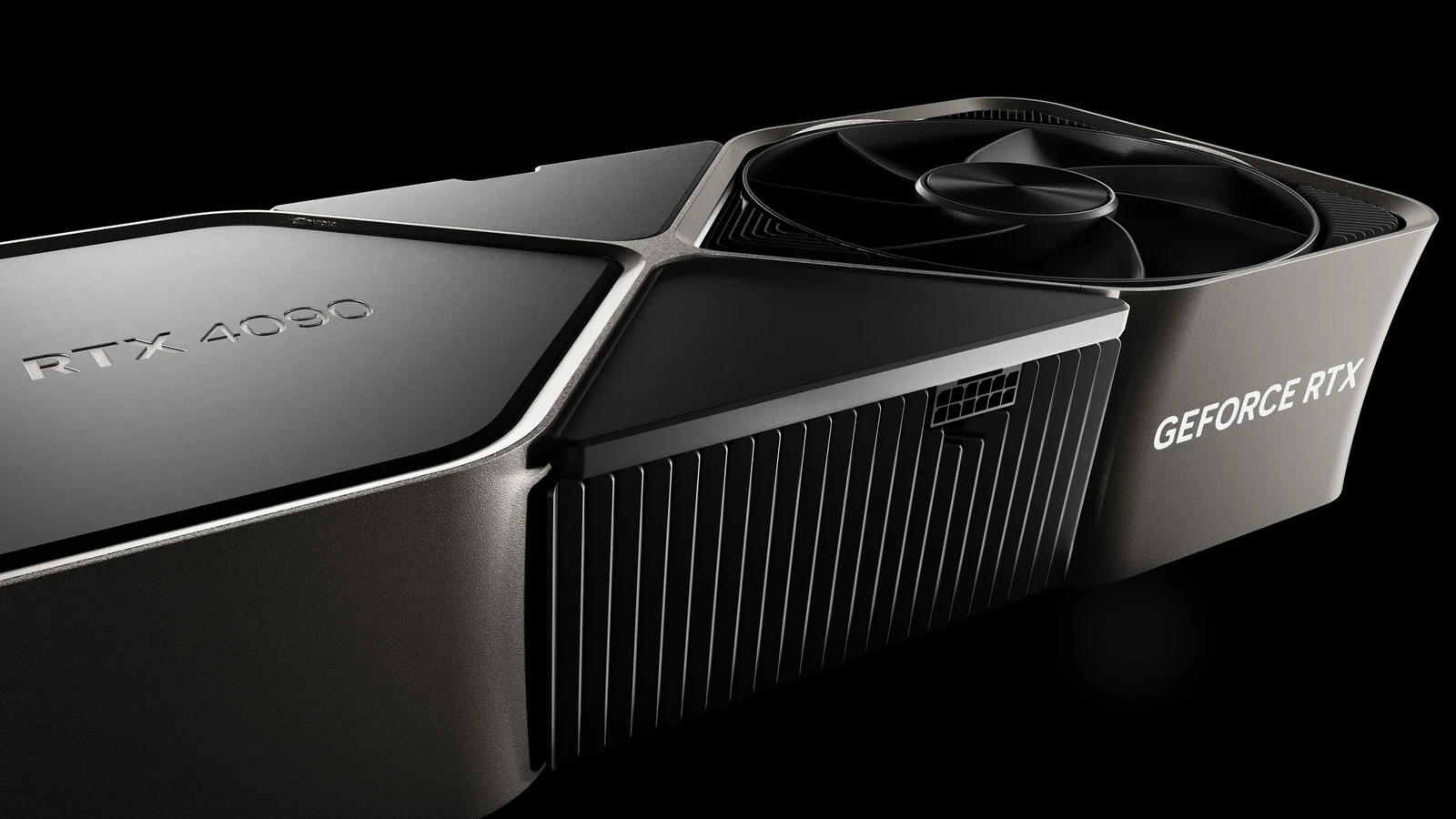
Modders have discovered a method to remove imposed half-speed AI performance limits on Nvidia RTX 20, 30, and 40-series GPUs using a firmware exploit, as reported by VideoCardz. Without the limitation, high-end hardware like the RTX 4090 can achieve double its peak tensor rate, while matrix math can improve by up to 80% for the RTX 3090 Ti.
For all impacted GeForce generations, Nvidia previously imposed a limit where, according to its published specifications, FP32-accumulate math runs at half each card's FP16-accumulate rate. This restriction historically did not apply to Turing and Ampere professional cards. The new unlock returns native matrix-math throughput to consumer card owners, potentially accelerating prompt processing and image generation tasks.
Generation Support and Software Projects
Three separate software projects currently offer generation unlocks via unofficial Linux modules, alongside experimental Windows builds pursuing an alternative approach. Card coverage varies significantly across architectures. The gpu-unlock tool handles Ampere cards by listing specific GA102, GA103, GA104, and GA106 series IDs.
Meanwhile, an Ada architecture fork named gpu-unlock-ada covers the RTX 4090 and offers experimental support for the 4090 D, 4070 Ti Super, and the 4060 Ti 16GB. Additionally, the turing-unlock project was adapted from gpu-unlock to work with the RTX 2080 Ti.
Performance Gains in Benchmarks and Real Workloads
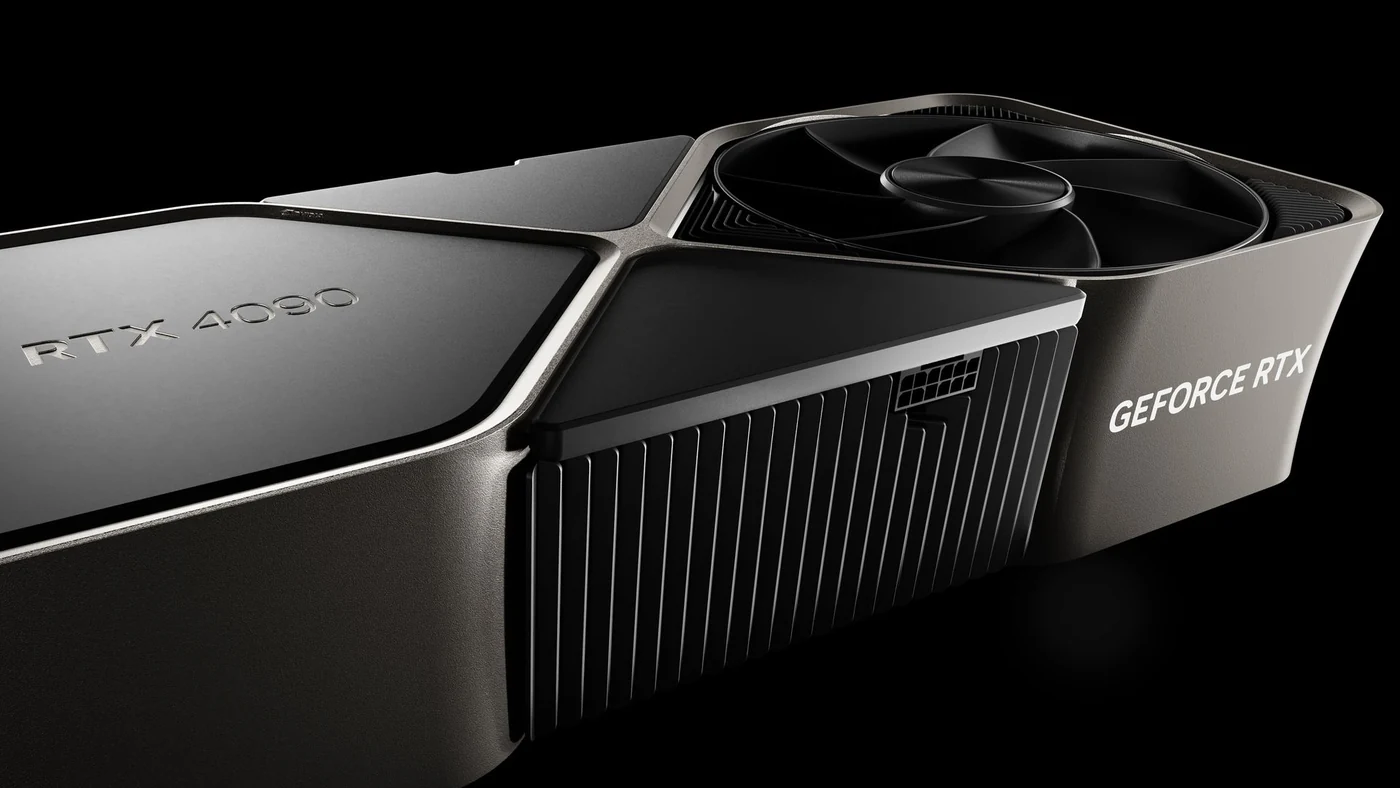
The peak doubling applies directly to tensor rates. For instance, an Ada fork developer using the RTX 4090 observed tensor performance shift from 165.6 to 331.6 TFLOPS on FP16 and from 165.5 to 330.6 TFLOPS on BF16. However, real workloads gain significantly less than the doubled peak implies, and chatbot token speeds remain about the same because that performance relies heavily on memory bandwidth.
Independent matrix-multiply benchmarks showed varied results. A tested RTX 3090 Ti scored gains of 35% for FP16, 80% for BF16, and 94% for TF32 using a modified Nvidia driver. Power limits also matter significantly, as lower-powered cards capped at 225W yielded smaller improvements. For Ampere cards, large language model prefill improved by 14% to 36%, and diffusion workflows sped up, while LLM decode and INT8 performance remained largely unchanged.
Exploit Mechanics and Hardware Risks
The rate limits are controlled by two speed selector registers that the host driver cannot normally write to. However, Nvidia's signed SEC2 Booter firmware contains a stack buffer overflow that can be exploited to run code in heavy secure mode. This vulnerability was uncovered after Nvidia published a debug Booter encrypted with a known public test key.
Developers emphasize caution when applying these modifications. The turing-unlock README notes that the mod may damage hardware, and KohakUnlock warns that the exploit can hang a GPU or host system, prevent booting, corrupt data, or physically harm components.
Sources
- Tom's HardwareNvidia RTX 20, 30, and 40-series GPUs hacked to remove a half-speed AI throttle
Continue chronologically


Related entity coverage
Related stories
Open-Source Tool Unlocks Nvidia GPU AI Limiter
A new open-source UEFI tool removes Nvidia's half-speed AI tensor limiter on Windows and Linux for RTX 20, 30, and 40-series cards.
Nvidia vBIOS Modding Tool Lets You Skip Flashing
A new solo developer project lets users modify Nvidia RTX 30 to 50 series vBIOS settings without the risk of flashing the physical flash chip.
Counterfeit RTX 4090 Exposes Sophisticated Dummy PCB Scam
A customer paid $350 for a broken RTX 4090 project only to discover a sophisticated counterfeit using dummy PCBs, a fake die, and swapped memory.
Nvidia Vera CPU Benchmarked Against AMD and Intel
Nvidia's Vera data center CPU is benchmarked against AMD EPYC Turin and Intel Granite Rapids-AP, showcasing strong Python performance and bandwidth.