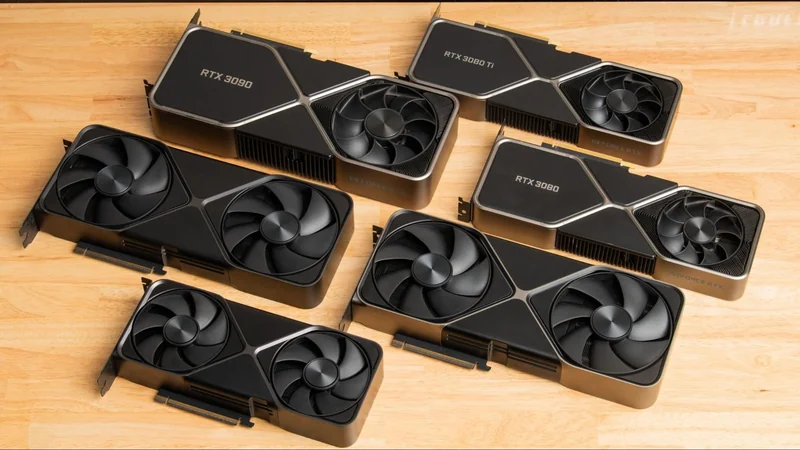
Counterfeit RTX 4090 Exposes Sophisticated Dummy PCB Scam
A Russian repair specialist has uncovered an exceptionally convincing counterfeit RTX 4090 graphics card featuring dummy components, a painstakingly crafted fake GPU die, and swapped memory chips.
 Radwan AbdulhadiEditor and technology writer
The $350 Repair Project That Turned Out to Be Fake
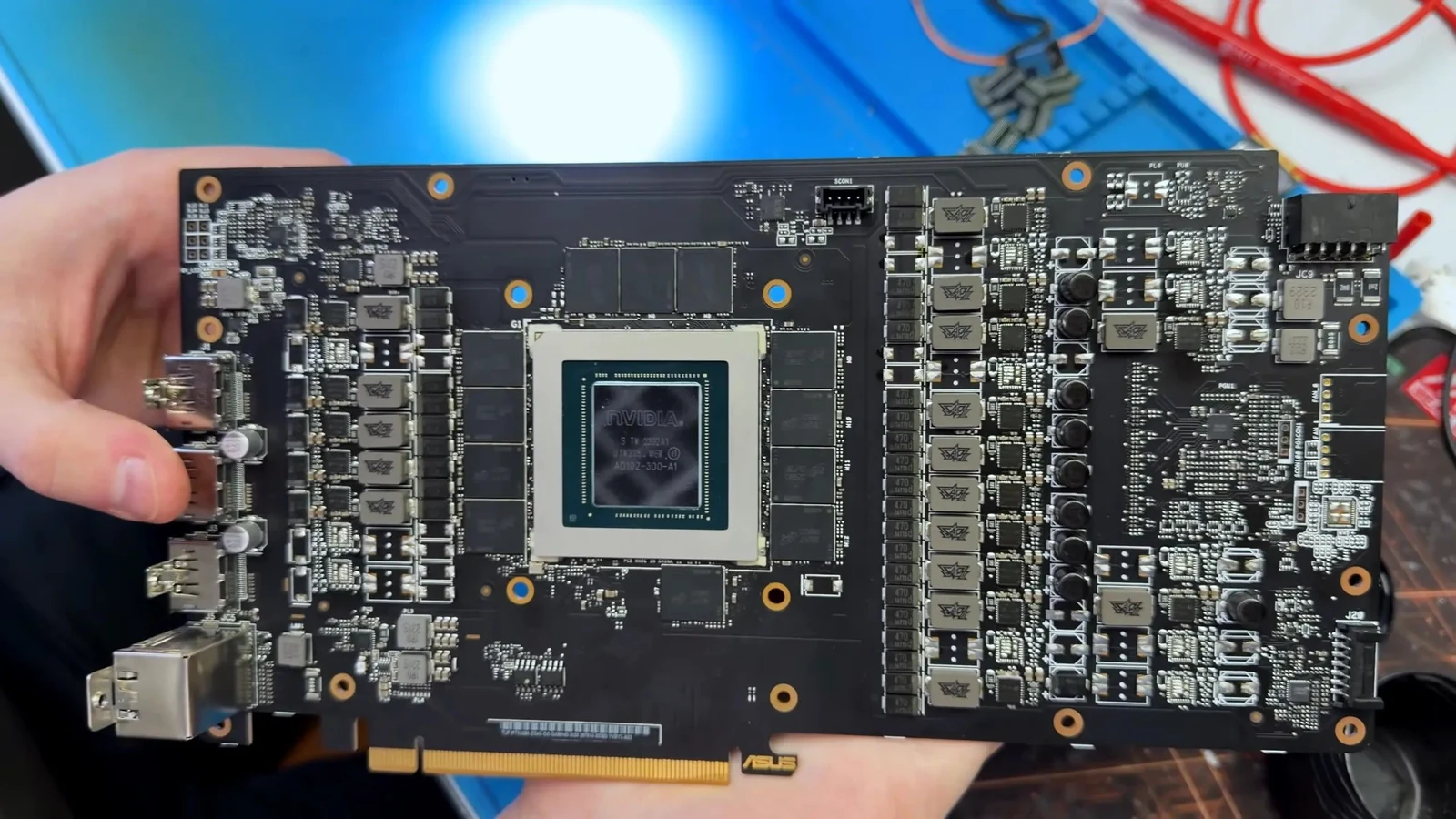
A GPU repair specialist has uncovered a sophisticated hardware scam involving a counterfeit [RTX 4090](https://www.tomshardware.com/reviews/nvidia-geforce-rtx-4090-review) graphics card. The board was purchased by a customer as a potential repair project for 30,000 Rubles, which translates to approximately $350. Because the graphics card was acquired as a bare printed circuit board (PCB) missing its original cooling system, verifying its functionality prior to purchase proved exceedingly difficult.
According to reporting by [Tom's Hardware](https://www.tomshardware.com/pc-components/gpus/buyer-pays-usd350-for-broken-rtx-4090-project-only-to-find-realistic-fake-gpu-die-and-swapped-memory-russian-repair-specialist-reveals-sophisticated-new-cam-using-dummy-pcbs), the case stands out significantly from previous hardware frauds due to the extreme level of effort put into fabricating the counterfeit components. The discovery was brought to light by Russian repair specialist [VIK-off](https://www.youtube.com/watch?v=CVpoYlGuH30), who detailed the deception after receiving the board for inspection.
Meticulous Details on the Counterfeit GPU Die
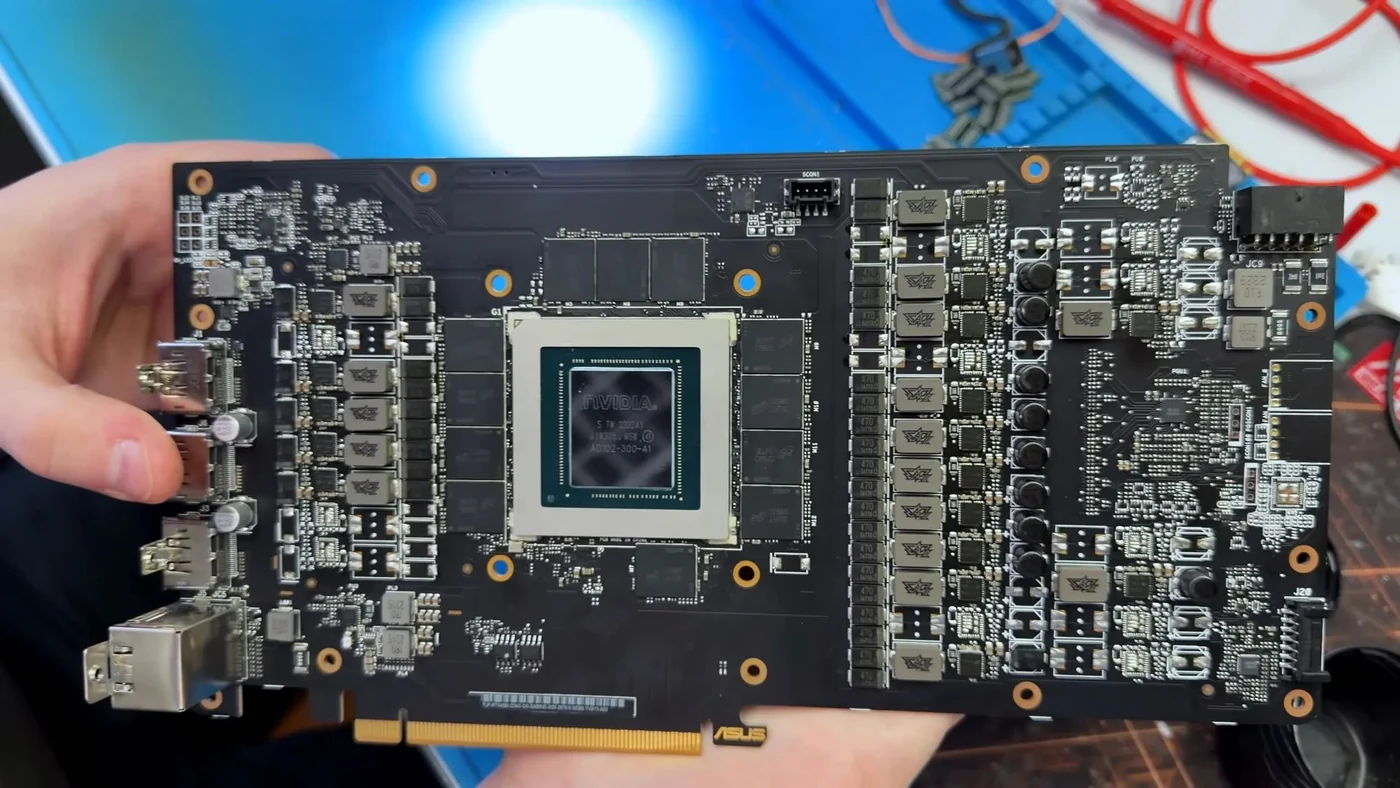
The counterfeiters managed to replicate complex and intricate details on the board, including the chip markings, labeling, the GPU package itself, and even the compound surrounding the processor. To make the deception even more convincing, the fake GPU die was actually soldered onto the PCB using a ball grid array (BGA). This manufacturing technique made it appear as though the die had been professionally installed during an original production run.
Despite the high level of craftsmanship, subtle inconsistencies ultimately exposed the fake. Specific red flags included the color of the substrate, unusual surface reflections, and irregularities in the lettering. Upon removing the fake GPU package, the specialist observed that the contact area did not match that of a functional processor, and the underlying solder mask began to deteriorate while being cleaned.
Swapped Memory and Suspected PCB Origins
The memory subsystem presented another layer of deception. While the chips initially appeared entirely genuine, removing one of the memory packages revealed standard GDDR6 memory instead of the GDDR6X chips natively required by the flagship card. Furthermore, the markings stamped onto these substitute chips closely imitated authentic Micron memory packages, rendering them exceptionally difficult to identify at a glance.
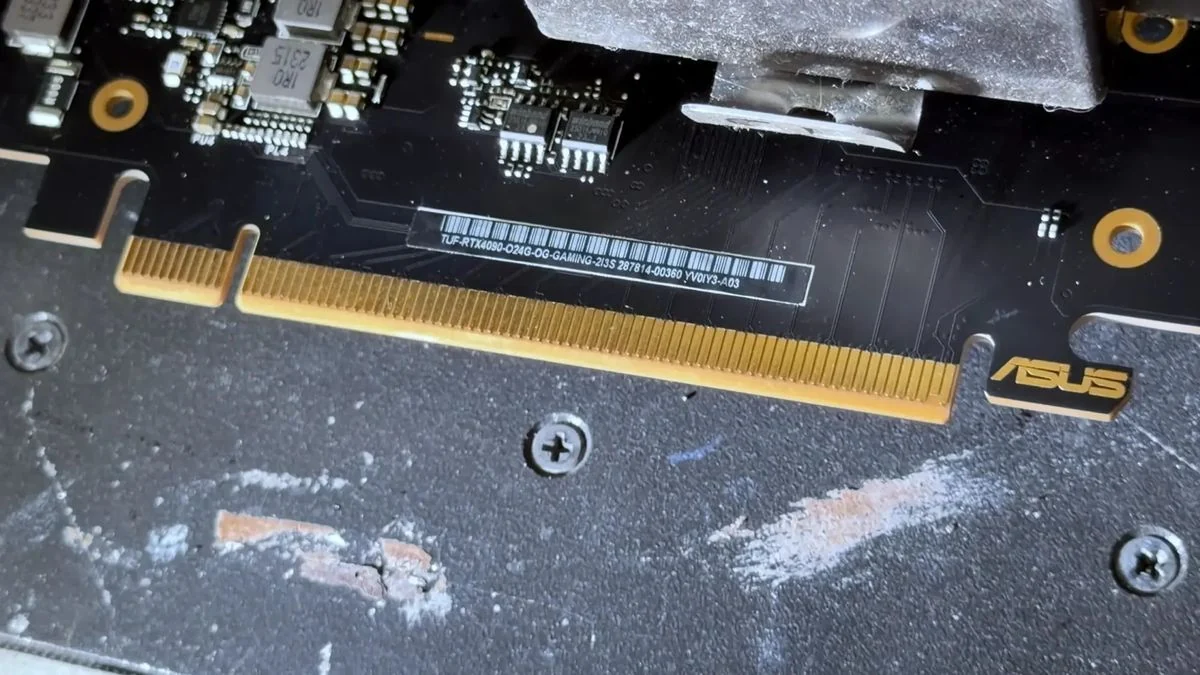
Based on the layout and physical characteristics of the board, specialist VIK-off suspects that the underlying PCB design might be derived from an older RTX 3090 Ti card, though definitive and conclusive proof remains absent.
Broader Trend of High-End GPU Counterfeits
This incident is not an isolated occurrence within the secondary hardware market. Back in June, a Chinese hardware shop owner named Brother Zhang encountered a broken RTX 4090 that had been acquired for roughly $222. Inspection of that particular specimen revealed that it was essentially a replica featuring a plastic imitation of Nvidia's AD102 GPU die rather than genuine silicon. Amusingly, a 'TW 3043E2' marking on that card implied a futuristic manufacturing date in the year 2030.
Safety Precautions for Buyers
Industry experts emphasize that buyers should exercise extreme caution when purchasing secondhand high-end graphics cards, particularly units sold explicitly as repairable or untested projects. Even when onboard components, chip markings, and physical packaging look entirely convincing, they offer no absolute guarantee that authentic silicon resides inside. Consumers are strongly advised to request concrete proof of functionality from sellers and, whenever feasible, physically test the hardware in a working system before exchanging any money.
Sources
- Tom's HardwareBuyer pays $350 for broken RTX 4090 project only to find realistic fake GPU die and swapped memory — Russian repair specialist reveals sophisticated new cam using dummy PCBs
Continue chronologically

Related entity coverage
Related stories
Nvidia RTX 5090 Faces Discontinuation and Surging Prices
Recent rumors suggest Nvidia's flagship RTX 5090 is facing discontinuation with no replacement until 2028, pushing standalone prices past $7,500.
Open-Source Tool Unlocks Nvidia GPU AI Limiter
A new open-source UEFI tool removes Nvidia's half-speed AI tensor limiter on Windows and Linux for RTX 20, 30, and 40-series cards.
Nvidia RTX 20, 30, and 40-Series GPUs Hacked to Remove AI Throttle
Modders use a firmware exploit to remove half-speed AI performance limits on Nvidia RTX 20, 30, and 40-series graphics cards, boosting tensor rates.
Nvidia vBIOS Modding Tool Lets You Skip Flashing
A new solo developer project lets users modify Nvidia RTX 30 to 50 series vBIOS settings without the risk of flashing the physical flash chip.