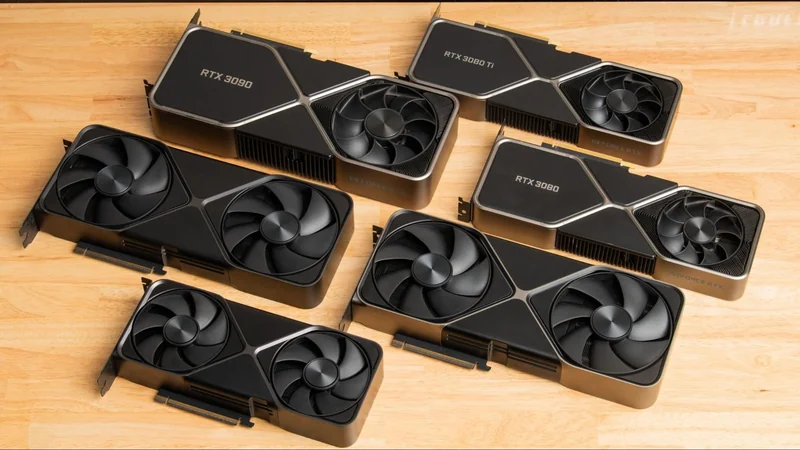
Nvidia Reportedly Halts GeForce RTX 5090 Production
Unverified industry reports suggest Nvidia has stopped manufacturing GB202 graphics processors for consumer-grade GeForce RTX 5090 add-in boards to reallocate production capacity toward AI data center and professional markets.
 Radwan AbdulhadiEditor and technology writer
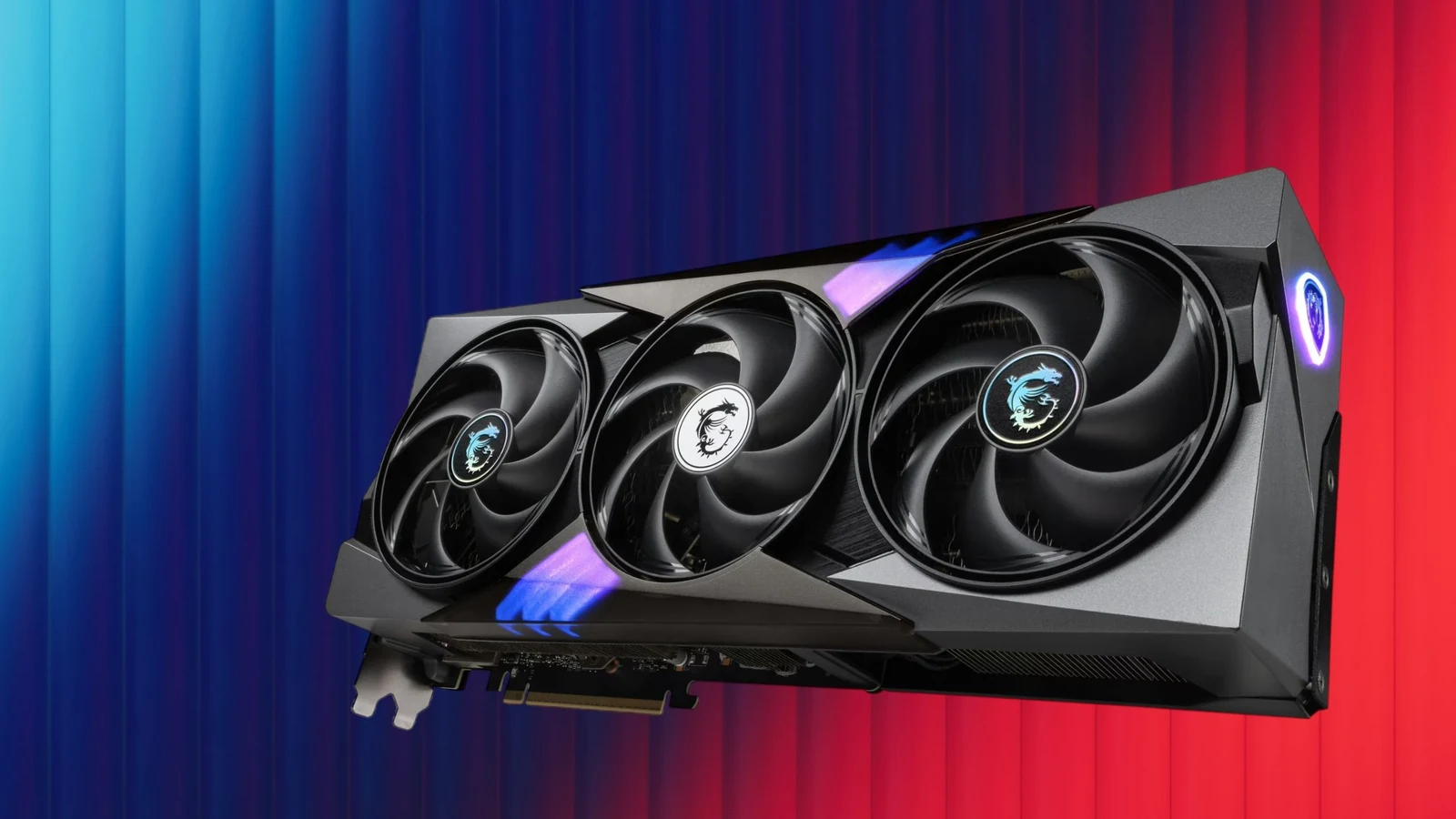
Reported Discontinuation of Consumer GB202 Silicon
Nvidia has reportedly ceased supplying its GB202 graphics processors for consumer-grade GeForce RTX 5090-series add-in boards, including regional variants such as the 'D' models intended for the Chinese market. According to details shared by industry observers including information cited via [@hongxing2020](https://x.com/Zed__Wang/status/2108816845608550401) and further supported by statements from [@Zed__Wang](https://x.com/Zed__Wang/status/2108815493599801608), a leaked factory notification points to a total halt in manufacturing for these high-end consumer cards.
The reported notice states that Nvidia will no longer produce any RTX 5090 models. Furthermore, the communication suggests that the highest-end consumer GeForce option moving forward will shift, while other configurations face alterations. Because these claims originate from leaked factory information rather than official corporate channels, the development remains unverified.
When requests for comment were directed to Nvidia, the company did not immediately respond. Historically, corporate policy dictates that the manufacturer does not comment on marketplace rumors or leaked supply chain notifications.
Economic Motives Behind the Silicon Pivot
While the shift is currently based on unofficial claims, redirecting GB202 silicon toward enterprise solutions aligns with corporate financial incentives. Professional and enterprise accelerators command significantly higher profit margins than high-end consumer graphics cards.
For comparison, professional visualization products leverage identical core architectures while offering expanded memory allocations tailored for intensive professional workloads and artificial intelligence applications. Enterprise-tier hardware solutions routinely command substantial price tags, far exceeding typical enthusiast graphics boards.
By prioritizing enterprise allocation, the hardware maker can avoid having comparatively lower-priced consumer hardware compete against its own high-margin data center accelerators. This strategic re-routing optimizes semiconductor manufacturing output to favor sectors with greater financial returns.
Market Impact and Inventory Availability
Should the reported changes take full effect, enthusiasts seeking the absolute best graphics card options may experience shifts in availability. However, retail channels, distributors, and add-in-board manufacturing partners maintain existing inventories of finished cards and underlying GPUs.
Consequently, consumer boards are unlikely to vanish from retail shelves immediately. Over time, however, an absolute cessation of GB202 silicon shipments for consumer products would create a supply drought, which could naturally drive up market prices for remaining inventory.
Additional insights regarding these industry developments and component shifts can be found through coverage provided by outlets like [Tom's Hardware](https://www.tomshardware.com/pc-components/gpus/nvidia-reportedly-halts-geforce-rtx-5090-production-in-favor-of-ai-data-center-and-professional-gpus-impending-supply-drought-expected-to-drive-up-prices-rtx-5080-24gb-rumored-as-new-gaming-flagship). Readers can also manage preferences or join community memberships by visiting platforms such as [Explore](https://www.tomshardware.com/membership).
Future Lineup Adjustments and Rumored Flagships
With production of the top-tier consumer card reportedly halted, attention shifts toward how the manufacturer might restructure its high-end product stack. Rumors point to a potential emphasis on alternative configurations, such as a high-capacity memory variant of the RTX 5080 acting as a temporary consumer flagship.
Previous rumors suggested that broader lineup refreshes faced delays due to constraints in the global memory supply chain. Adjusting silicon distribution could alleviate some of these pressures by streamlining memory allocation toward newly prioritized segments.
Looking further ahead, subsequent consumer GPU architectures based on next-generation designs are not expected to launch for an extended period. If current discontinuation reports prove accurate, the enthusiast gaming market could experience a notable gap in top-tier GB202-class flagship hardware availability.
User Information and Compliance Policies
As industry discussions and hardware evaluations continue to evolve, readers and site members can stay updated through designated news aggregators. Updates regarding platform interactions are governed by established [Terms & Conditions](https://futureplc.com/terms-conditions/) and data practices outlined in the official [Privacy Policy](https://futureplc.com/privacy-policy/).
Sources
- Tom's HardwareNvidia reportedly halts GeForce RTX 5090 production in favor of AI data center and professional GPUs
Continue chronologically
Related entity coverage
Related stories
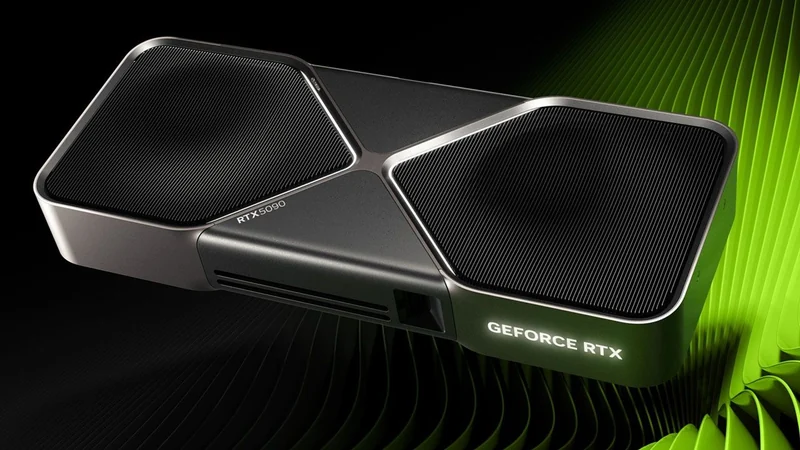
Nvidia RTX 5090 Faces Discontinuation and Surging Prices
Recent rumors suggest Nvidia's flagship RTX 5090 is facing discontinuation with no replacement until 2028, pushing standalone prices past $7,500.
Quad 8-Pin Mod Aims to Fix Nvidia GPU Power Meltdowns
A custom quad 8-pin power conversion kit for Nvidia graphics cards addresses melting 16-pin power connectors by redistributing electrical load.

Open-Source Tool Unlocks Nvidia GPU AI Limiter
A new open-source UEFI tool removes Nvidia's half-speed AI tensor limiter on Windows and Linux for RTX 20, 30, and 40-series cards.
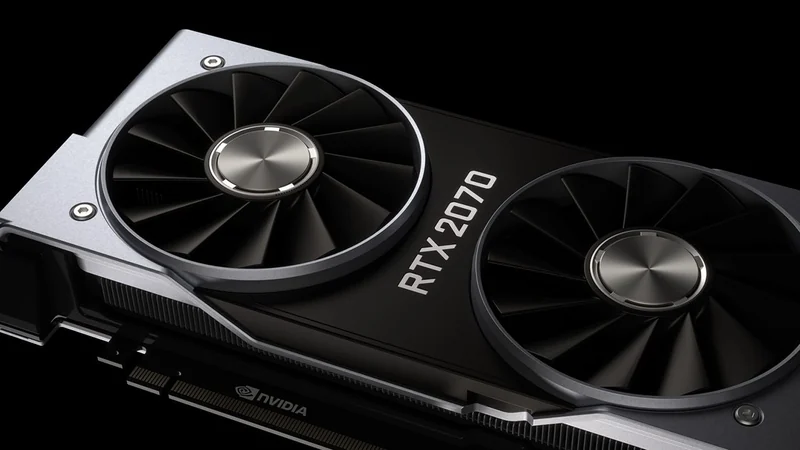
Nvidia vBIOS Modding Tool Lets You Skip Flashing
A new solo developer project lets users modify Nvidia RTX 30 to 50 series vBIOS settings without the risk of flashing the physical flash chip.